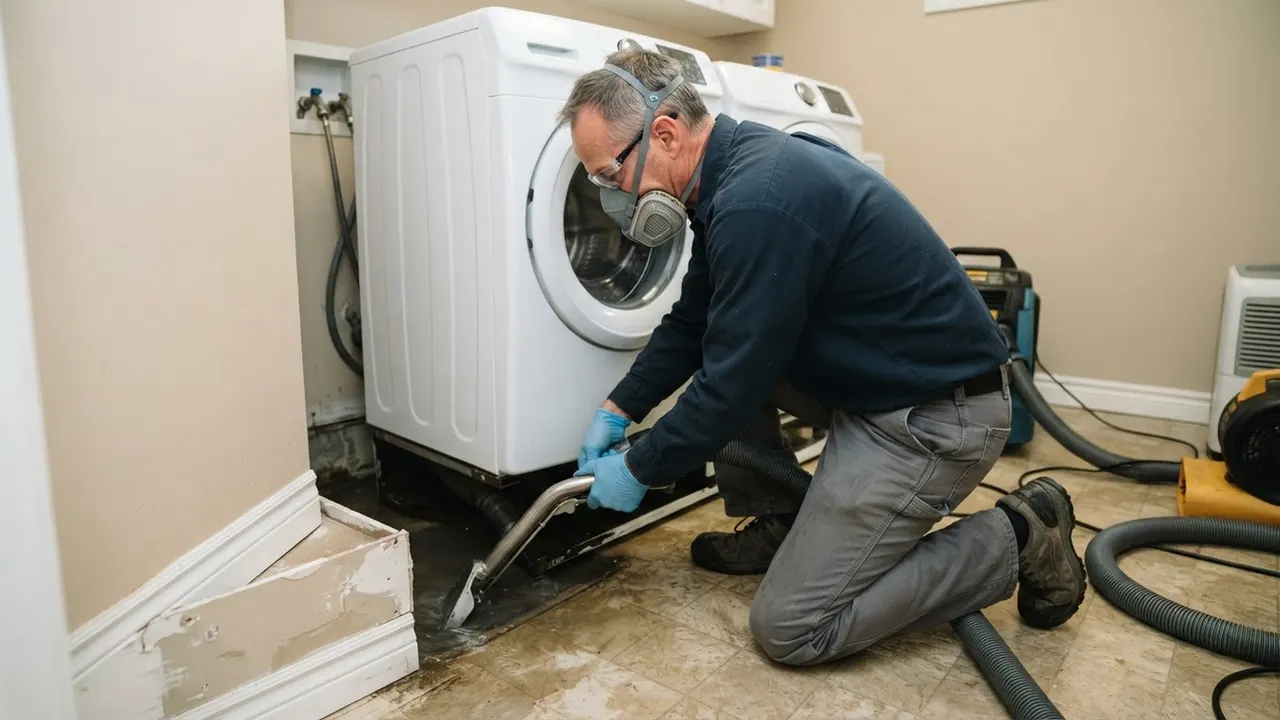
Moisture Findings
Recorded readings at affected surfaces and comparison points.
burst pipe repair Mesquite NV helps homeowners and property managers stop an active leak, remove standing water, and dry affected materials before damage spreads. Our team handles broken pipe repair Mesquite NV, from locating the wet area to coordinating pipe repair and restoration work. If water is reaching drywall, flooring, or stored belongings, call (833) 546-4116 so we can discuss the next steps.
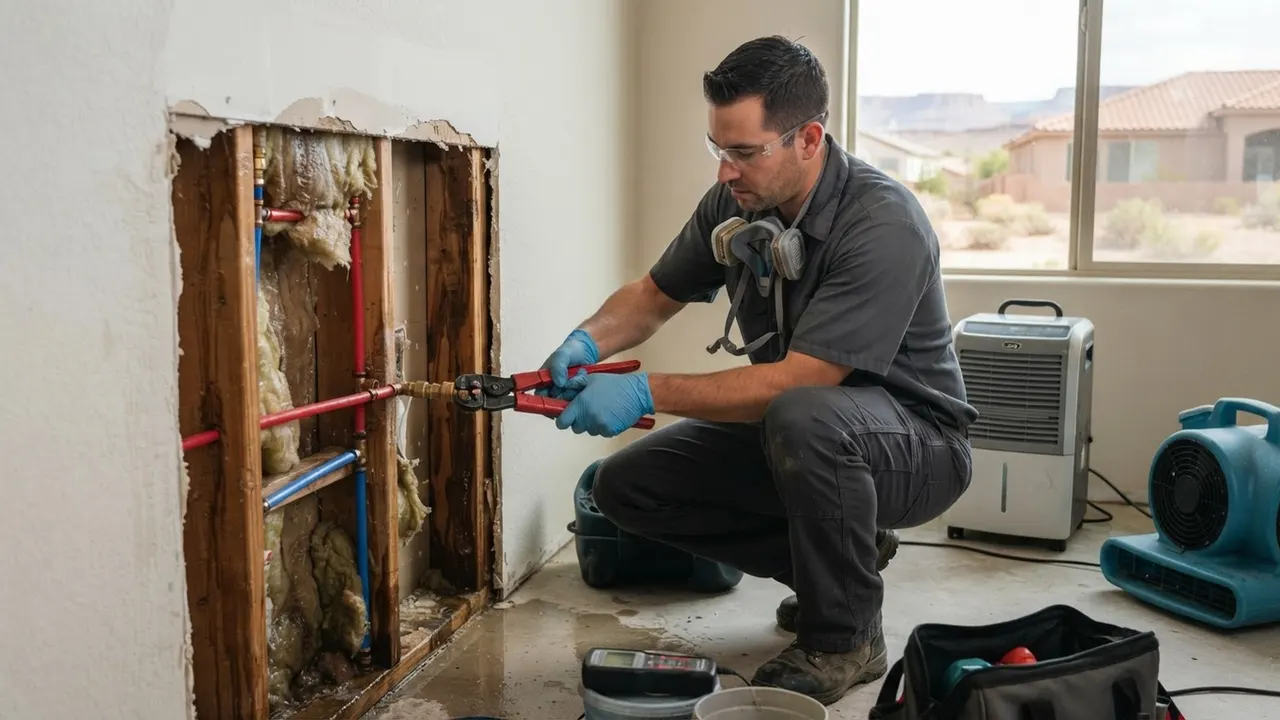
Burst pipe service focuses on controlling water damage after the line fails: inspection, water extraction, material checks, drying, and documentation. Plumbing repairs address the damaged pipe and are coordinated with the appropriate plumbing work. Finish reconstruction, replacement flooring, or extensive mold remediation can require additional work based on what inspection reveals. We explain the steps connected to your affected rooms and keep the restoration plan focused on the conditions found.
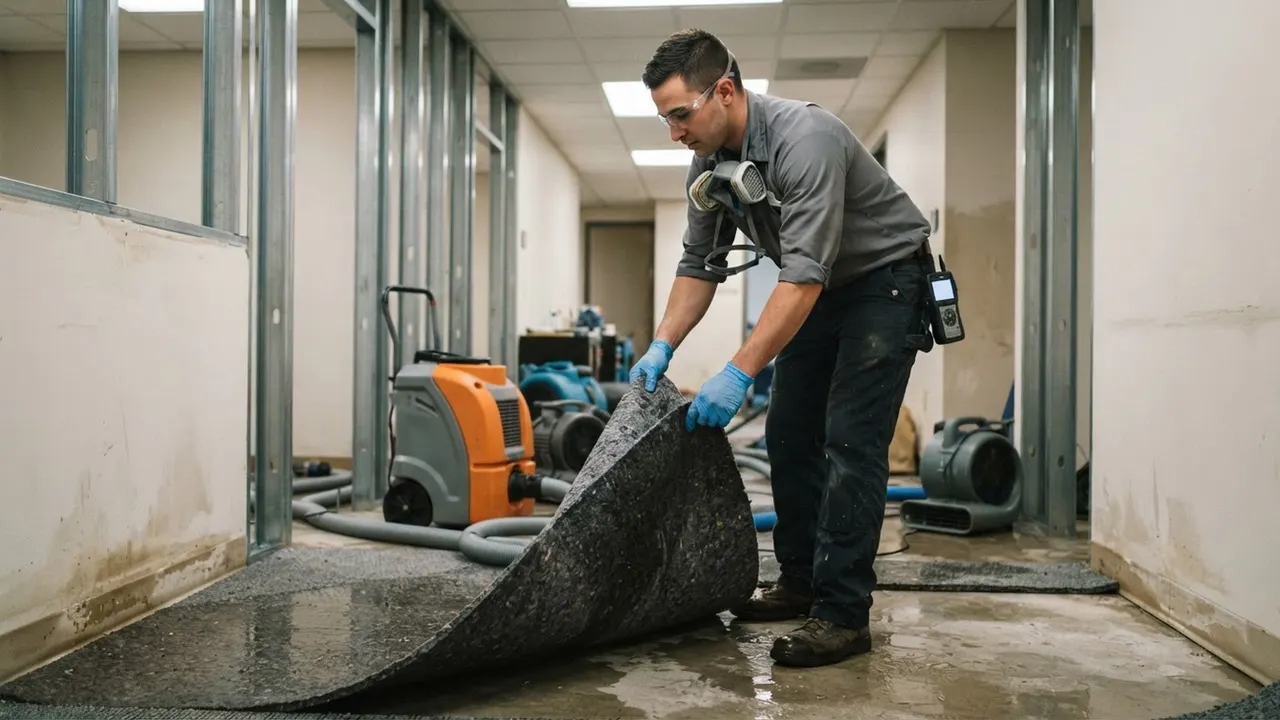
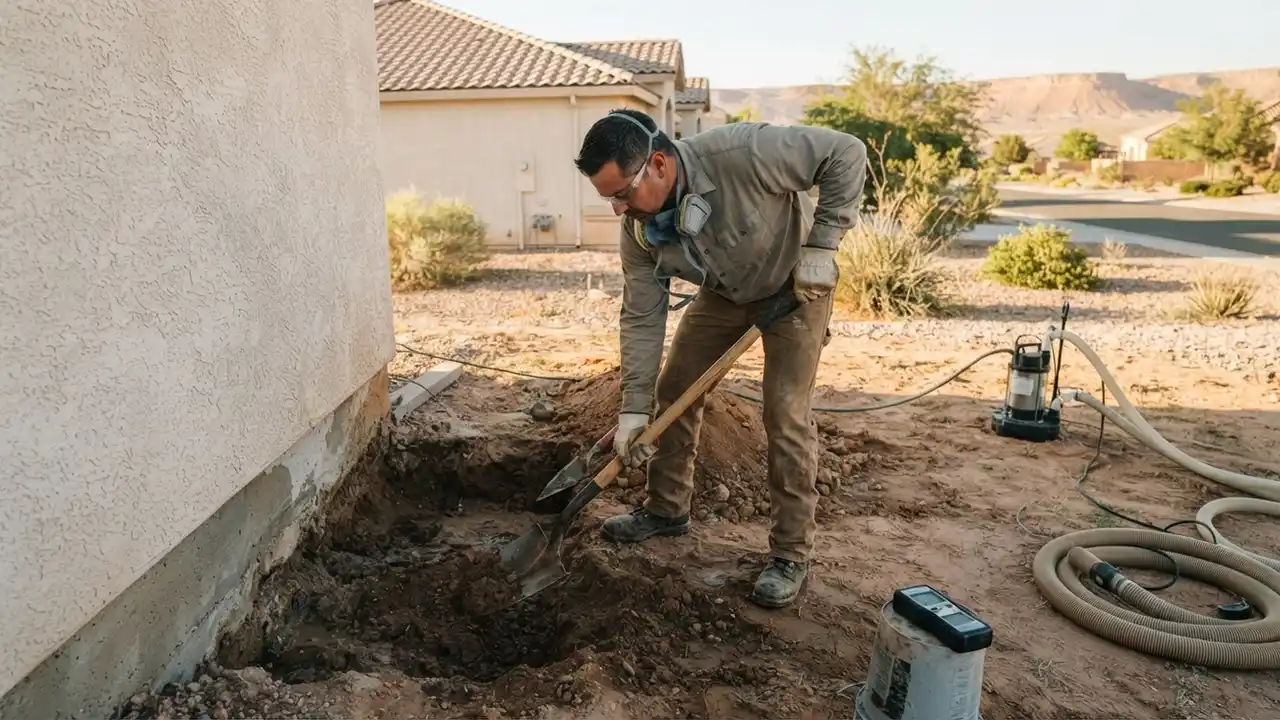
A burst pipe can soak cabinets, flooring, and stored belongings before you see a stain. We inspect affected rooms, remove accessible water, and explain which materials need drying or repair.
A broken line can disrupt customers, staff, and neighboring suites. We plan extraction around access needs, document affected areas, and coordinate drying so you can make informed repair decisions.
burst pipe repair Mesquite NV is emergency plumbing and water-damage response that stops a failed pipe leak and addresses water released into a building. We identify the wet areas, extract standing water, and document damaged materials before drying begins. A moisture meter checks readings in drywall, baseboards, and flooring; targeted openings expose concealed wet insulation when needed. Pipe repair itself is coordinated with the plumbing work required for the failure, while our restoration work focuses on water removal, controlled drying, and preventing secondary damage.
In Mesquite, a supply-line split, appliance connection failure, or winter frozen pipe can soak cabinets and travel beneath tile or hardwood before a stain appears. Our crew works across Clark County, including homes with slab foundations where water can spread below floor finishes. If you searched for burst pipe repair Mesquite NV near me, start by shutting off the nearest safe water valve and calling us. We can assess the wet footprint, explain the restoration steps, and help protect unaffected rooms.
Stop the water, measure the damage, and dry affected materials before repairs cover them.
Mesquite pipe burst cleanup starts with controlling the water source and protecting people and belongings. We then map the wet area, remove water, and set a drying plan around material readings. The first visit is focused on urgent stabilization; follow-up checks verify that affected materials are moving toward dry conditions.
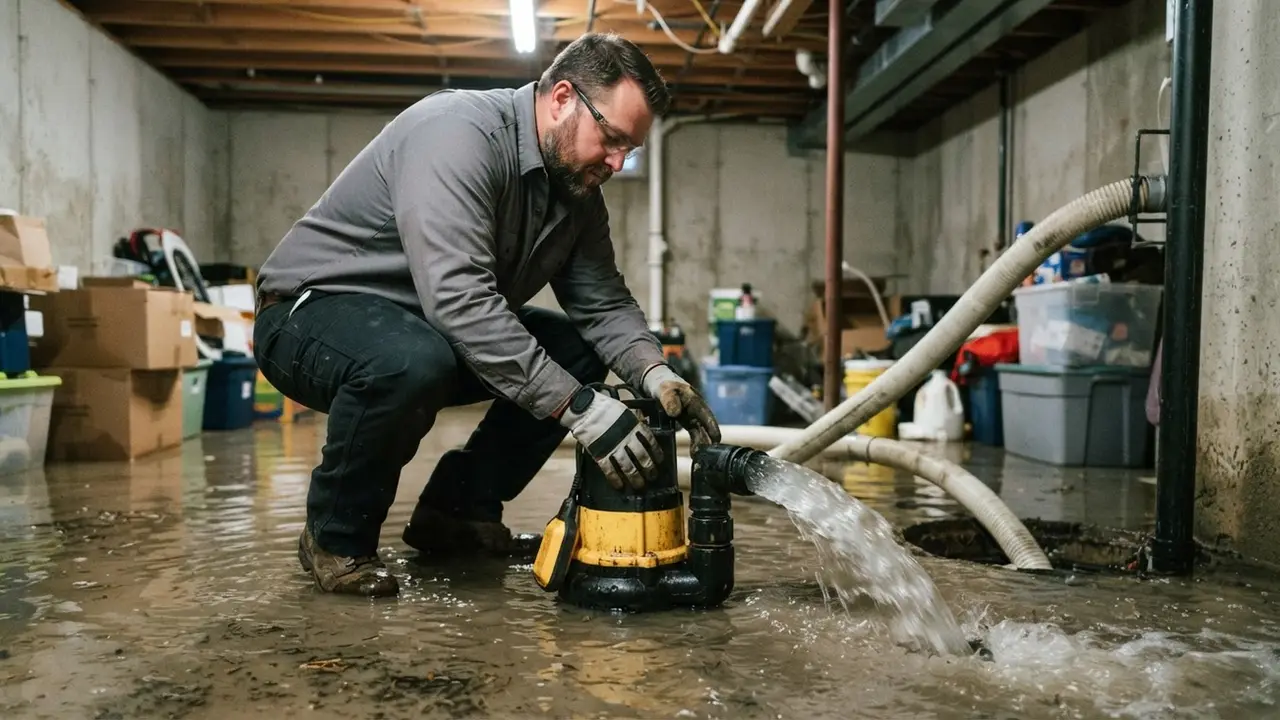
On arrival, we ask what happened, identify the affected rooms, and check for electrical or access concerns before equipment is placed. If water is still flowing, shut off the nearest safe valve while we coordinate the pipe repair. The first inspection commonly takes 30 to 60 minutes, depending on how many rooms and surfaces are involved.
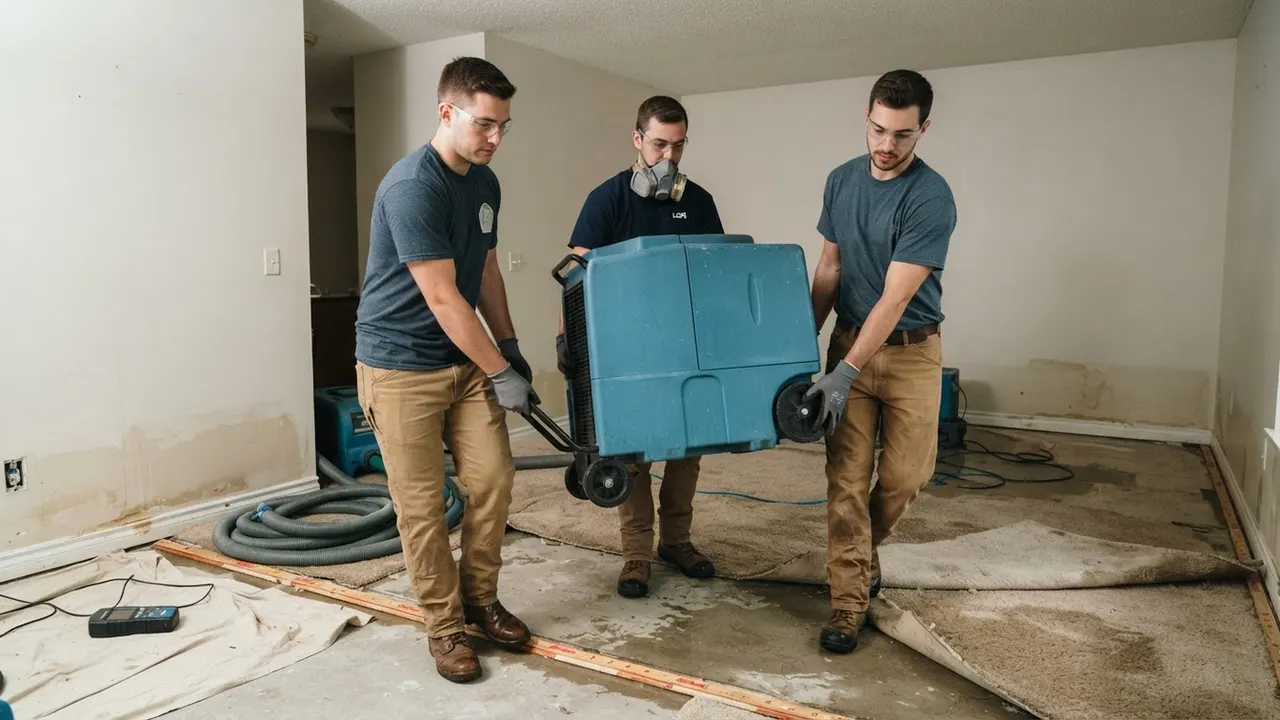
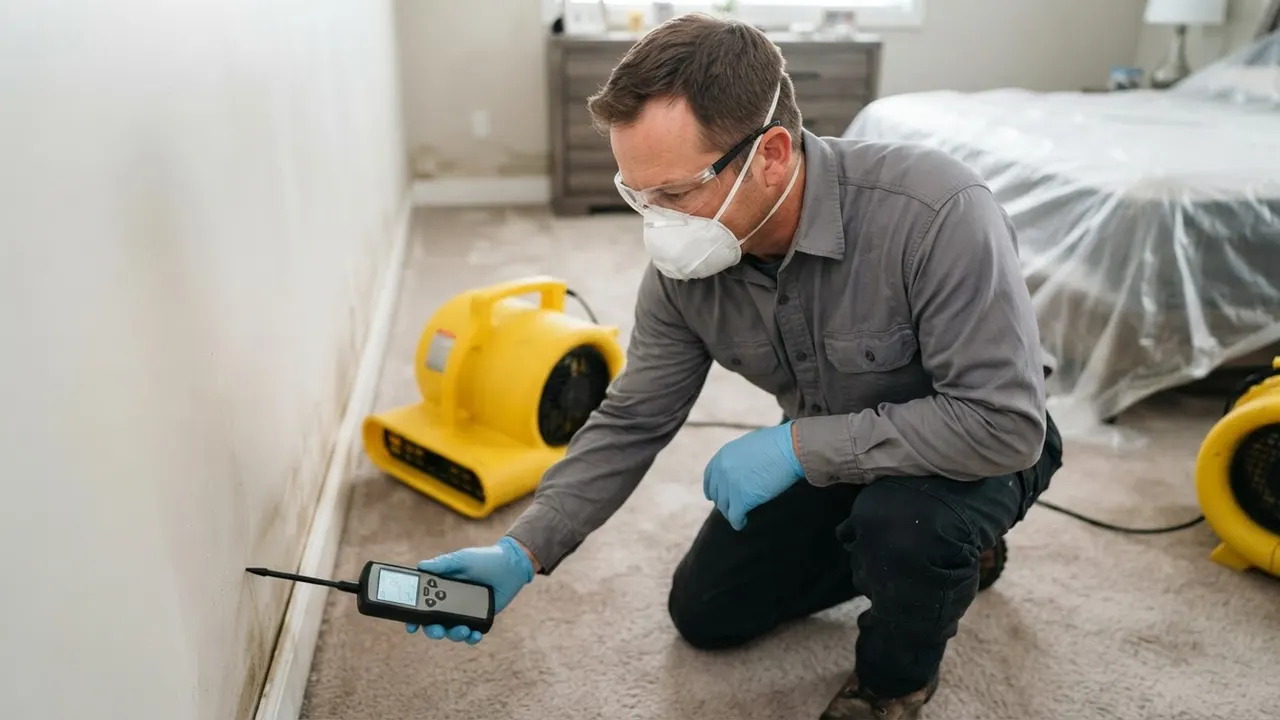
We inspect visible surfaces and use a moisture meter or thermal imaging camera to find temperature patterns and damp materials that are not obvious to the eye. Readings around doorways, cabinets, and wall bottoms help establish the affected boundary. You see which locations need extraction or closer inspection before the drying setup begins.
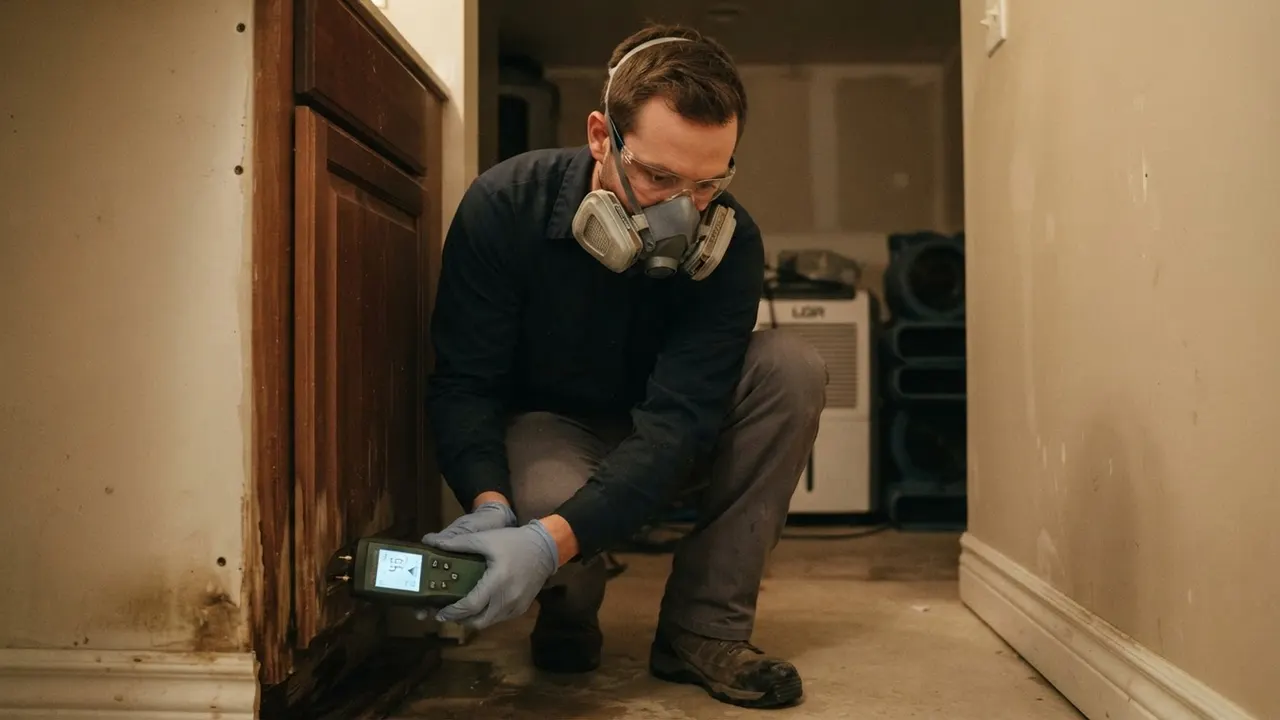
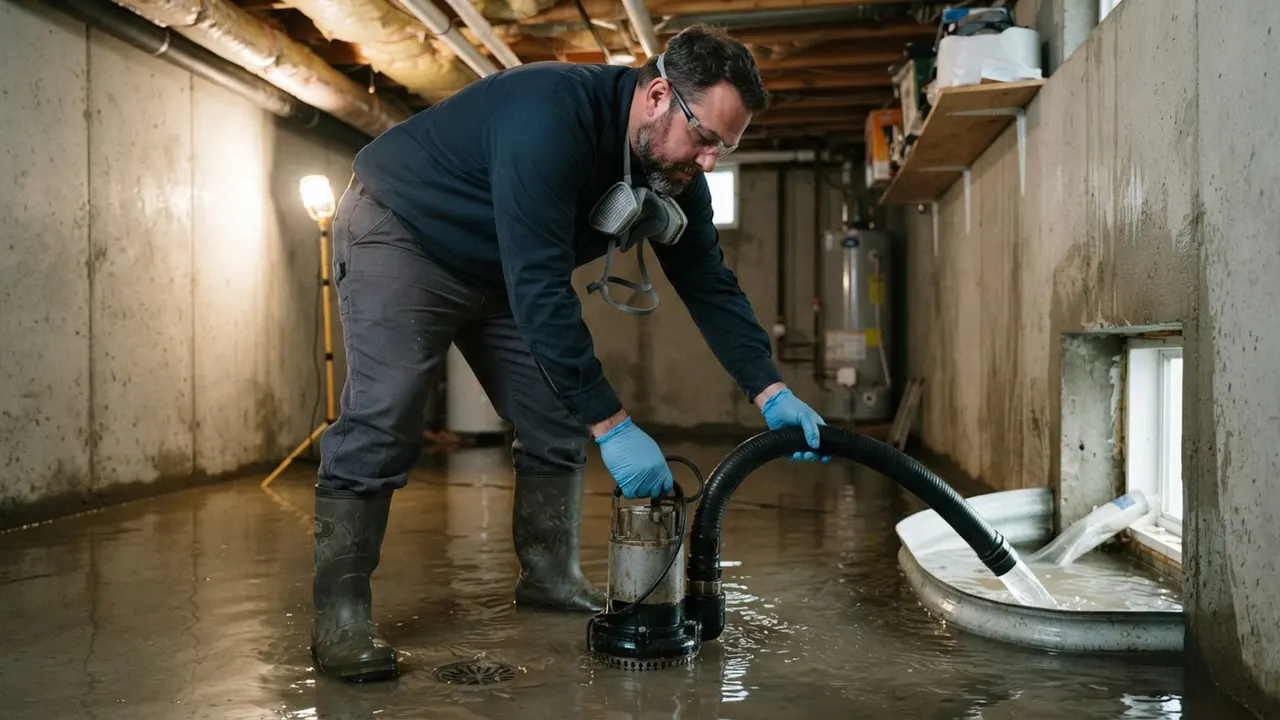
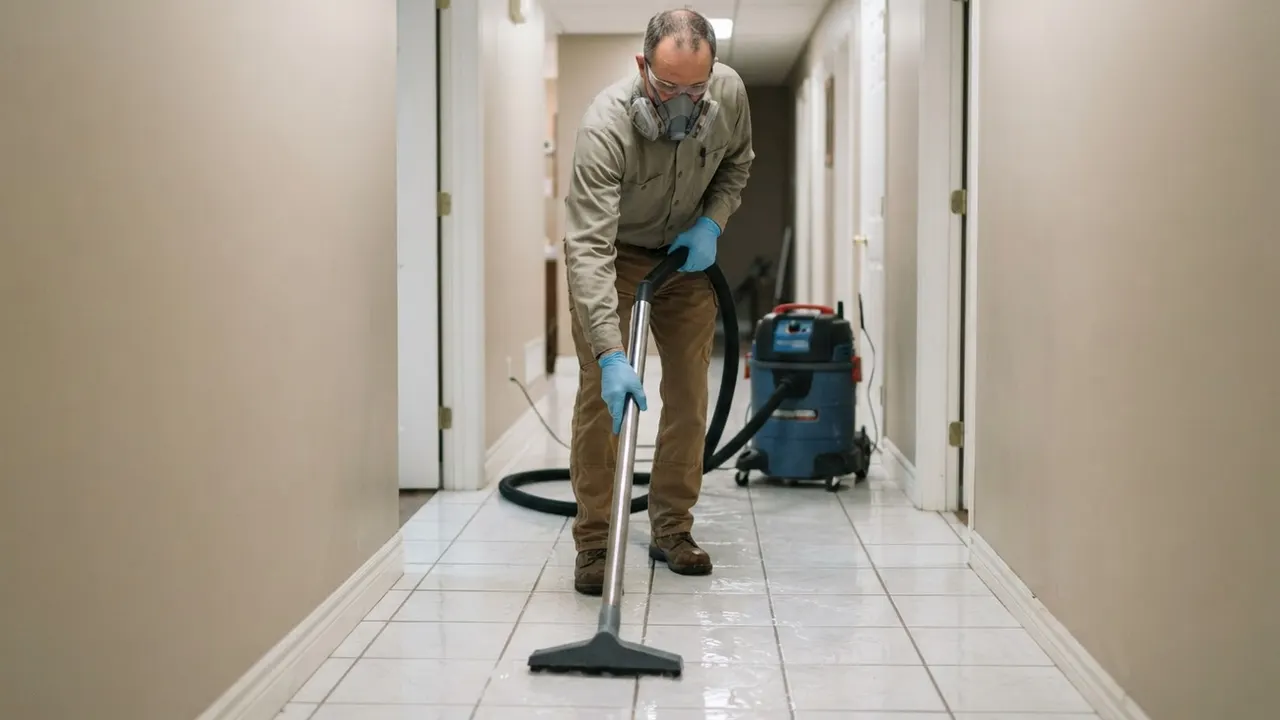
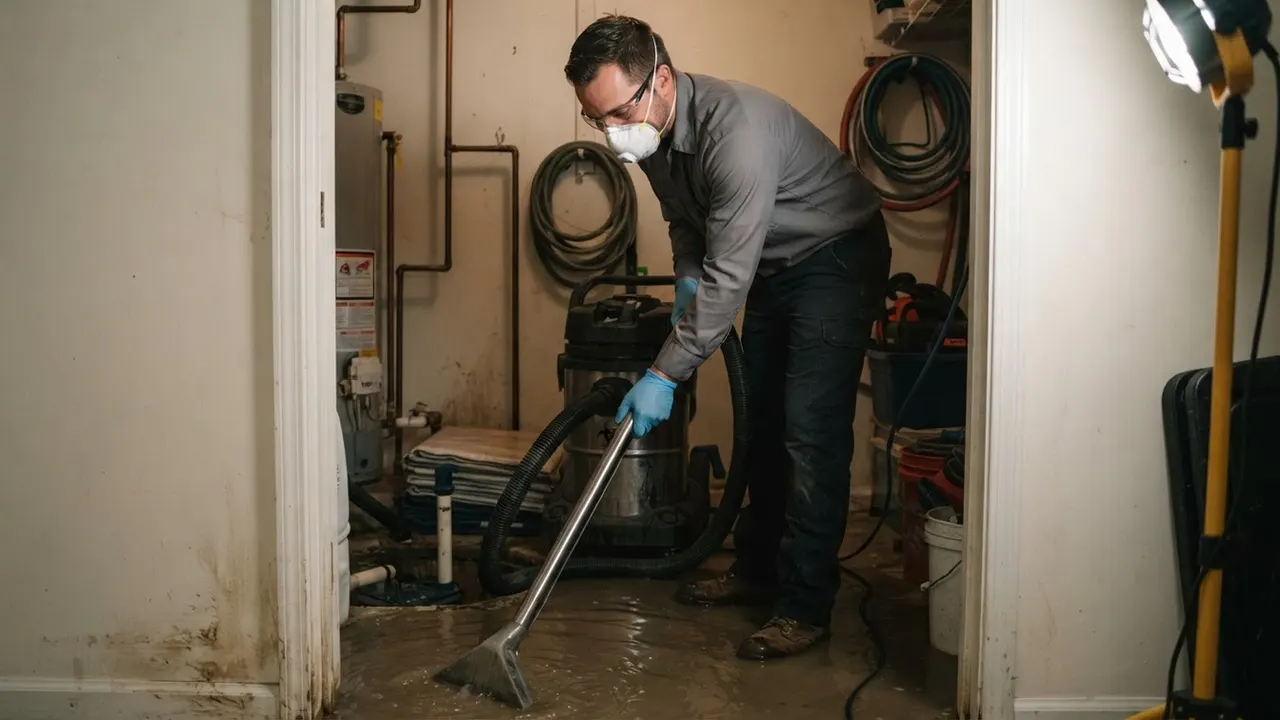
Our team extracts accessible water from hard floors and carpet, then checks edges and low points where water collects. If carpet padding is saturated, we assess whether it can be dried or needs removal. Extraction time ranges from about 30 minutes to several hours, based on the water volume and the number of rooms.
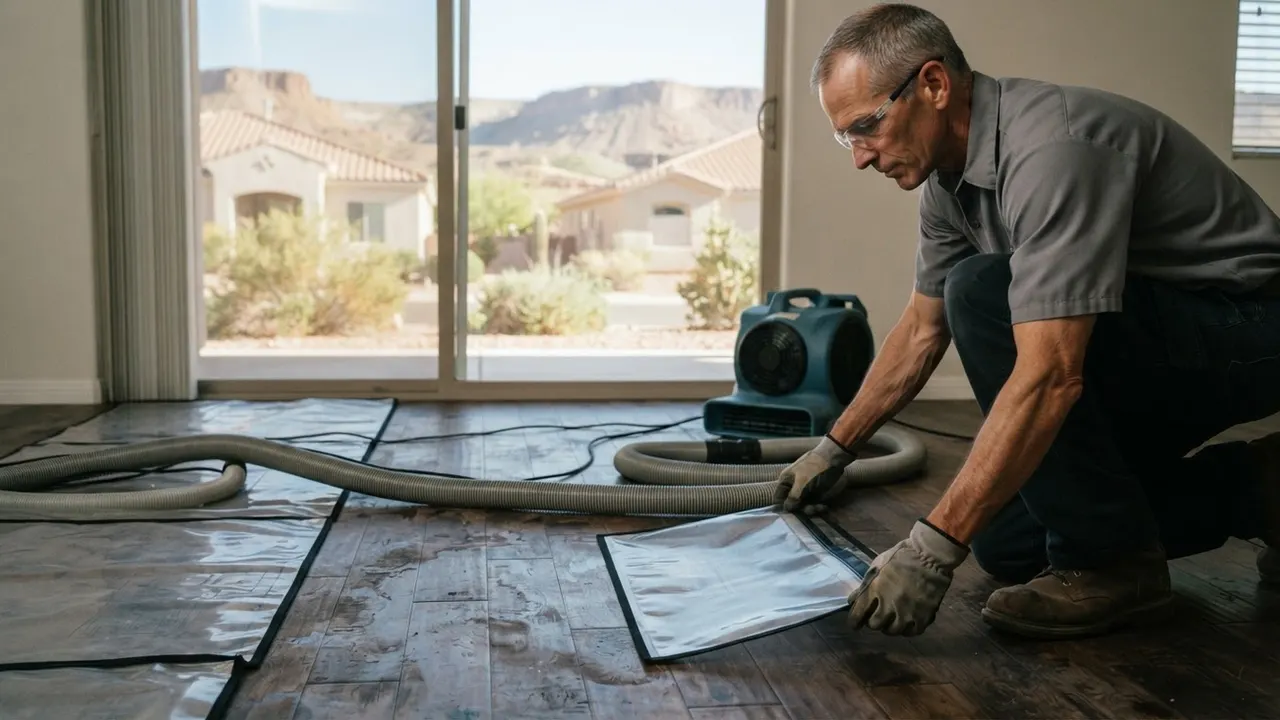
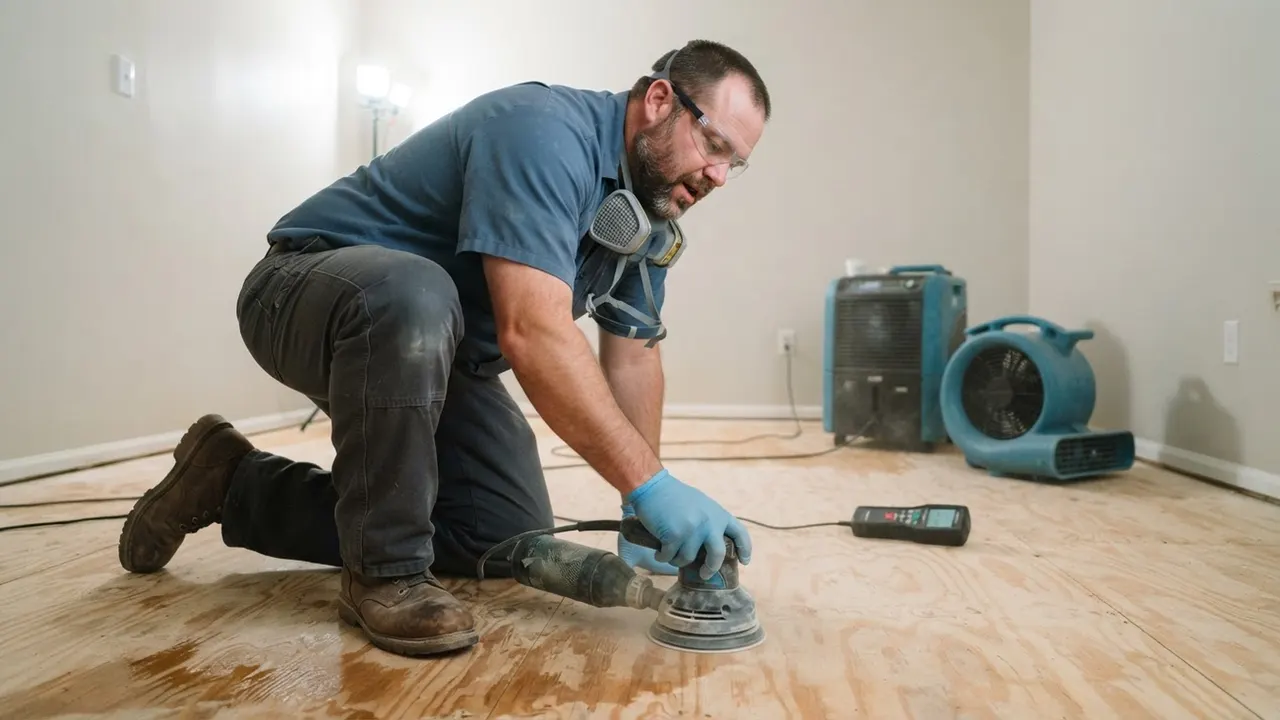
We place air movers and a dehumidifier to move air across wet surfaces and remove moisture from the room. A hygrometer tracks relative humidity, while repeat meter readings show whether materials are drying. You receive instructions for keeping equipment pathways clear and for reporting new leaks, odors, or changes in the affected area.
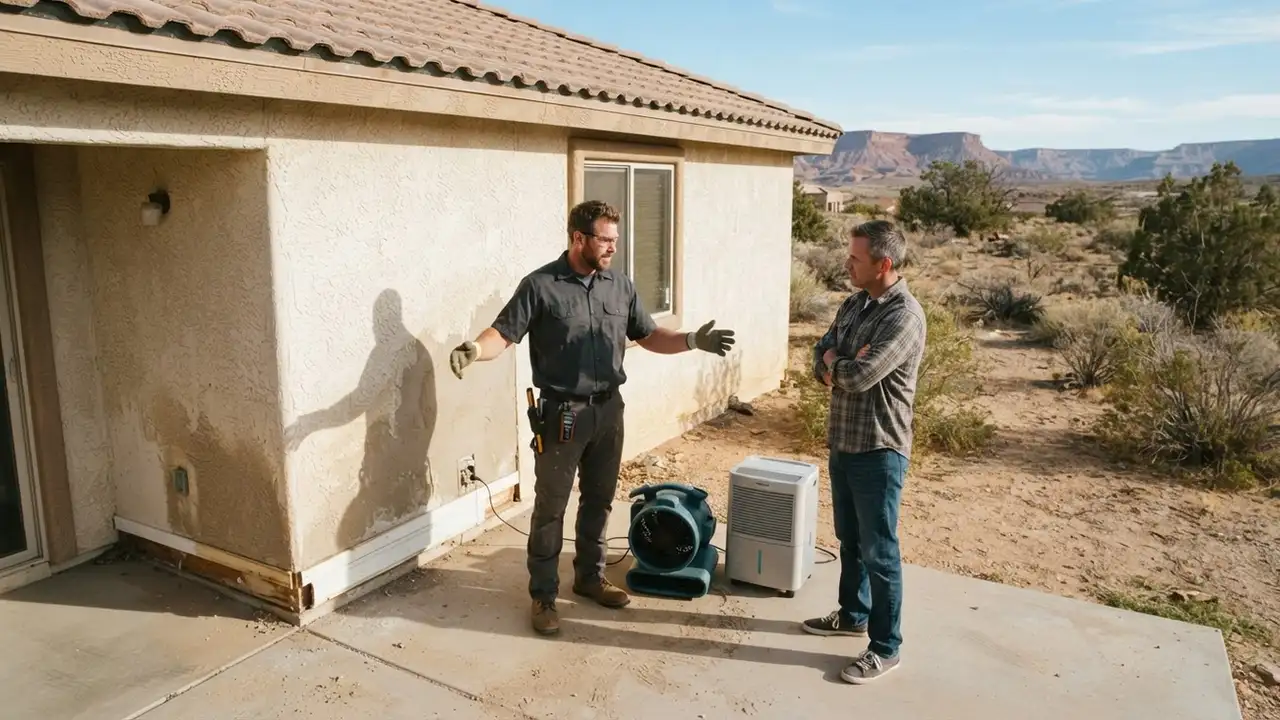
At follow-up, we compare new readings with the initial moisture map and adjust equipment or access as needed. Drying commonly takes 3 to 5 days, but dense materials and concealed cavities can take longer. Once readings support the next step, we explain which areas need patching, flooring attention, or replacement.
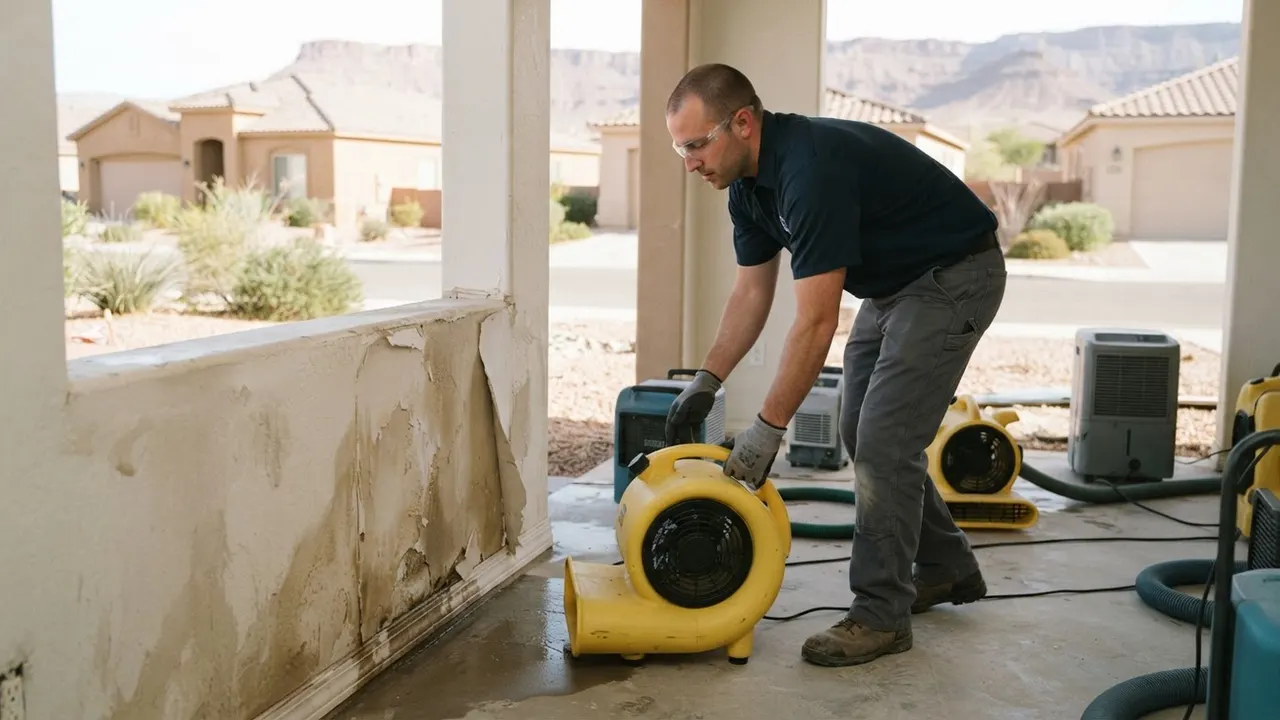
We take comparative readings in drywall, trim, and flooring to locate damp materials and track changes. Multiple readings help distinguish a dry surface from a wet section deeper in the material.
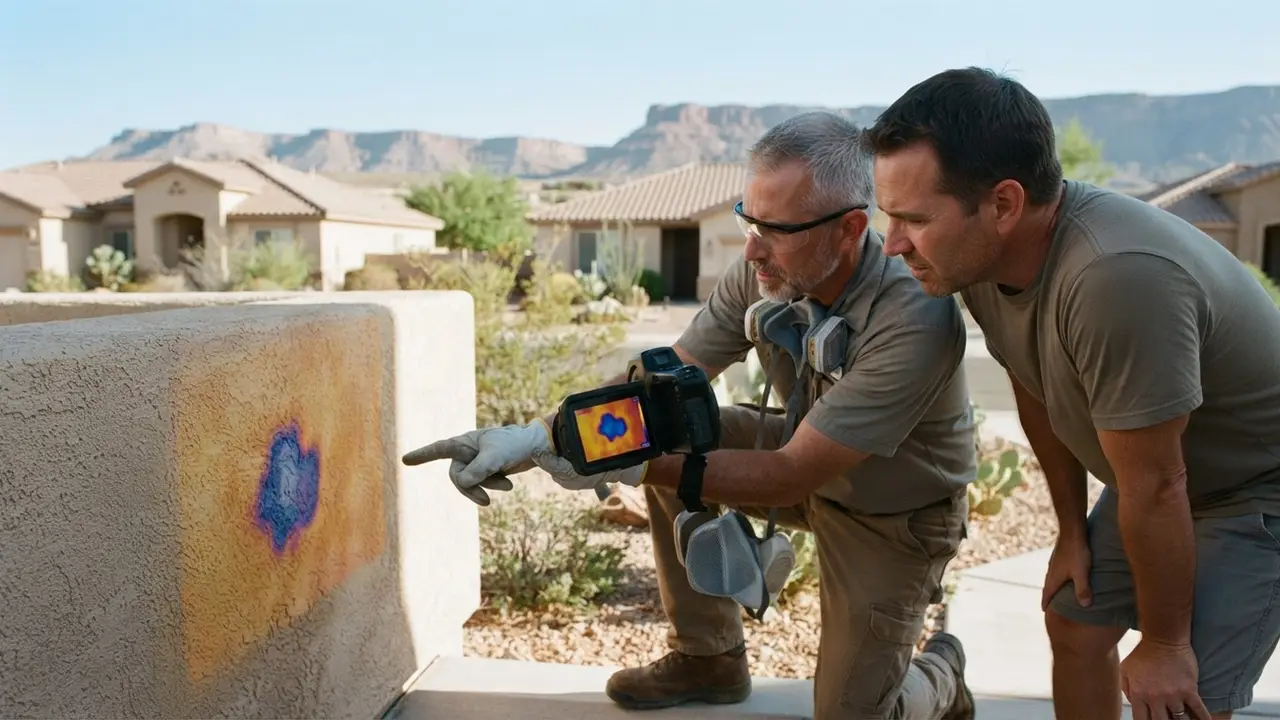
The camera shows temperature patterns that can guide inspection toward potentially damp areas. We confirm those patterns with direct moisture checks instead of treating an image as proof of water.
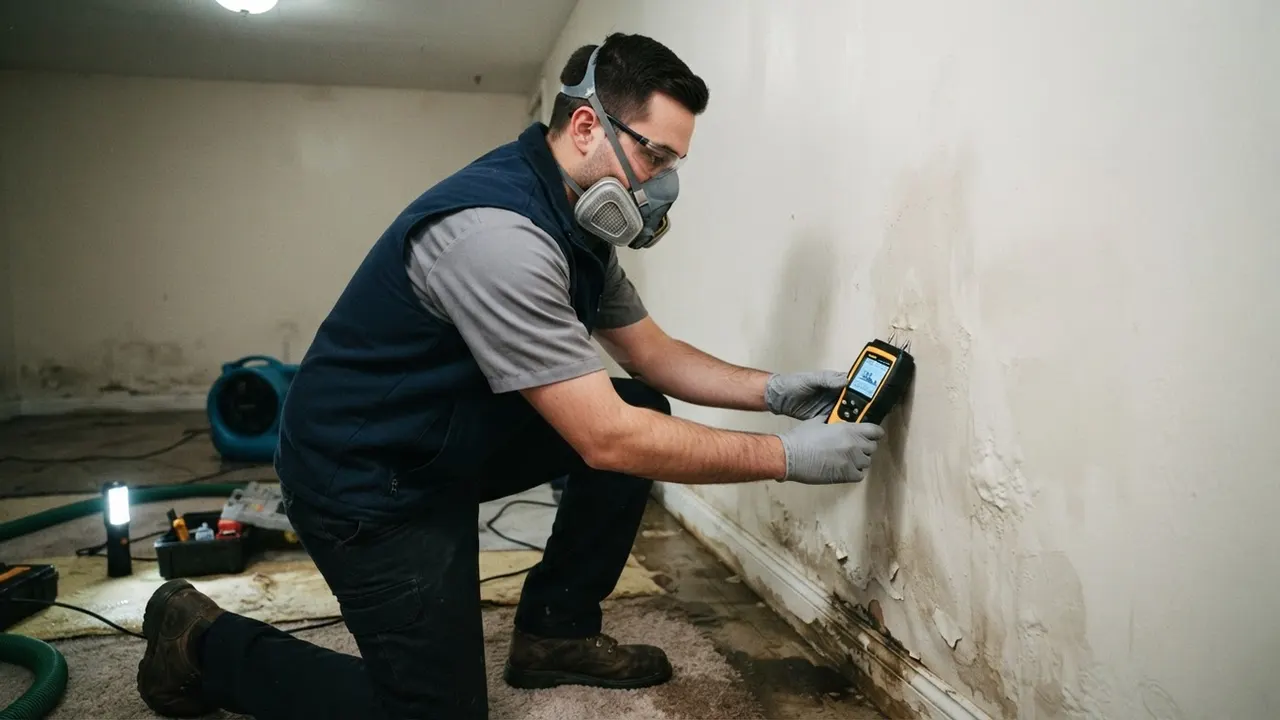
We use extraction equipment to remove standing water from hard floors and other accessible surfaces. Removing bulk water first reduces what must be managed during the drying stage.
Air movement supports evaporation from wet surfaces, while dehumidification removes moisture from the room air. Placement is based on the room layout and readings, then reviewed during follow-up.
A hygrometer measures room humidity so drying conditions can be monitored alongside material readings. We use the information to judge whether equipment is helping the room move toward drier conditions.
We record readings at affected points and compare them with reference areas that were not exposed to water. This map helps define where extraction, drying, or further inspection is needed and provides a baseline for follow-up checks.
Drying is not a substitute for stopping the leak. We identify whether water is still entering, direct you to a safe shutoff where appropriate, and coordinate pipe repair before relying on equipment to manage the remaining moisture.
We position air movers to move air across wet materials and use dehumidification to manage room moisture. Equipment placement follows the affected layout; follow-up readings guide adjustments instead of using a one-size-fits-all setup.
We begin by checking the cabinet base, flooring seam, and nearby wall for water migration. After the water source is controlled, our team extracts accessible water and measures damp materials. We set drying equipment where readings show it is needed and explain whether the cabinet base or floor finish needs follow-up repair. You get a defined wet-area map, less standing water, and a drying plan based on actual material readings rather than the visible puddle alone.
We inspect the ceiling below and check for signs of water trapped above it. Our crew removes accessible water, documents affected drywall and insulation, and plans controlled drying after the plumbing source is repaired. If the cavity requires access, we explain the affected section before restoration proceeds. The wet ceiling area is identified and measured, making it easier to dry the structure before patching and painting begin.
We help you focus first on shutting off the water safely and keeping clear of wet electrical equipment. We then inspect the laundry floor, wall edges, and nearby stored items. Extraction and drying follow the moisture map, while the split pipe is repaired as a separate plumbing task. Water is removed from accessible surfaces, damp materials are identified, and you have a practical sequence for pipe and room repairs.
We check the wall bottom, vanity sides, and adjoining flooring for moisture beyond the visible damage. After documenting readings, we remove accessible water and determine whether affected trim or drywall can dry in place. We target airflow and dehumidification to the damp area, then recheck conditions. The source area and damp boundaries are clearer, helping prevent a simple trim repair from covering moisture that remains behind the vanity.
Mesquite homes and commercial spaces face pipe failures from supply-line wear, appliance connections, and occasional frozen pipes during cold winter nights. The desert climate brings dry outdoor air for much of the year, but indoor cavities do not dry reliably just because the room feels warm. Water can sit beneath tile, hardwood, or cabinets, particularly where a slab foundation limits access from below. We check those transitions and use moisture readings to decide where drying equipment belongs. For broken pipe repair Mesquite NV, our restoration work addresses the water damage while plumbing work fixes the failed line. In Northridge or Downtown Mesquite, a leak can affect more than one room before it reaches an obvious low point. If you searched for frozen pipe burst repair Northridge NV, shut off water if safe and call us to discuss the affected area. We document conditions, extract accessible water, and explain the next restoration steps.
A cabinet supply line split while the homeowner was away. Water spread from the sink base into the kitchen and reached the edge of the adjoining room. The cabinet toe-kick looked swollen, but the floor surface showed only a thin film, leaving uncertainty about how far the water had traveled.
We extracted the visible water, checked readings at the cabinet base and three floor transitions, and set targeted drying equipment. Follow-up readings over four days showed the affected flooring moving toward dry conditions. The homeowner had a documented boundary for the damaged area and a clear plan for the cabinet finish.
Check flexible supply connections twice a year and replace a line showing bulges, corrosion, or damp fittings. Keep the cabinet base accessible enough to spot drips early.
A bathroom line leaked above a bedroom ceiling, leaving a spreading brown stain and a soft area near the light fixture. Water had also reached part of the wall below. The residents were unsure whether the visible ceiling marked the full extent of the damage.
We inspected the ceiling and wall, extracted water from the affected area, and documented moisture at the ceiling edge and wall base. Drying equipment ran for five days with follow-up readings. The team identified the section requiring finish repair after the structure was dry enough to proceed.
Look for recurring ceiling stains, peeling paint, or a musty odor near plumbing walls. Have new staining checked promptly instead of painting over it.
After a cold night, a laundry-room pipe split and released water across the floor. A cardboard storage box absorbed water, and moisture reached the baseboard behind the washer. The family shut off the supply but could not tell whether the wall cavity was wet.
We removed accessible water, separated wet contents, and measured the baseboard and adjacent drywall. A dehumidifier and air movers addressed the damp area, with checks over three days guiding the drying plan. The family received photos and notes describing the materials that needed repair.
Before cold nights, keep utility-area doors open when appropriate and address drafts around vulnerable pipe runs. Check behind appliances for dampness after any unusual temperature drop.
Burst pipe water damage cleanup Mesquite NV homeowners need goes beyond removing a visible puddle. Water follows seams, cavities, and low points, so a quick inspection and measured drying plan can help identify affected materials early. We focus on practical findings and explain what needs action.
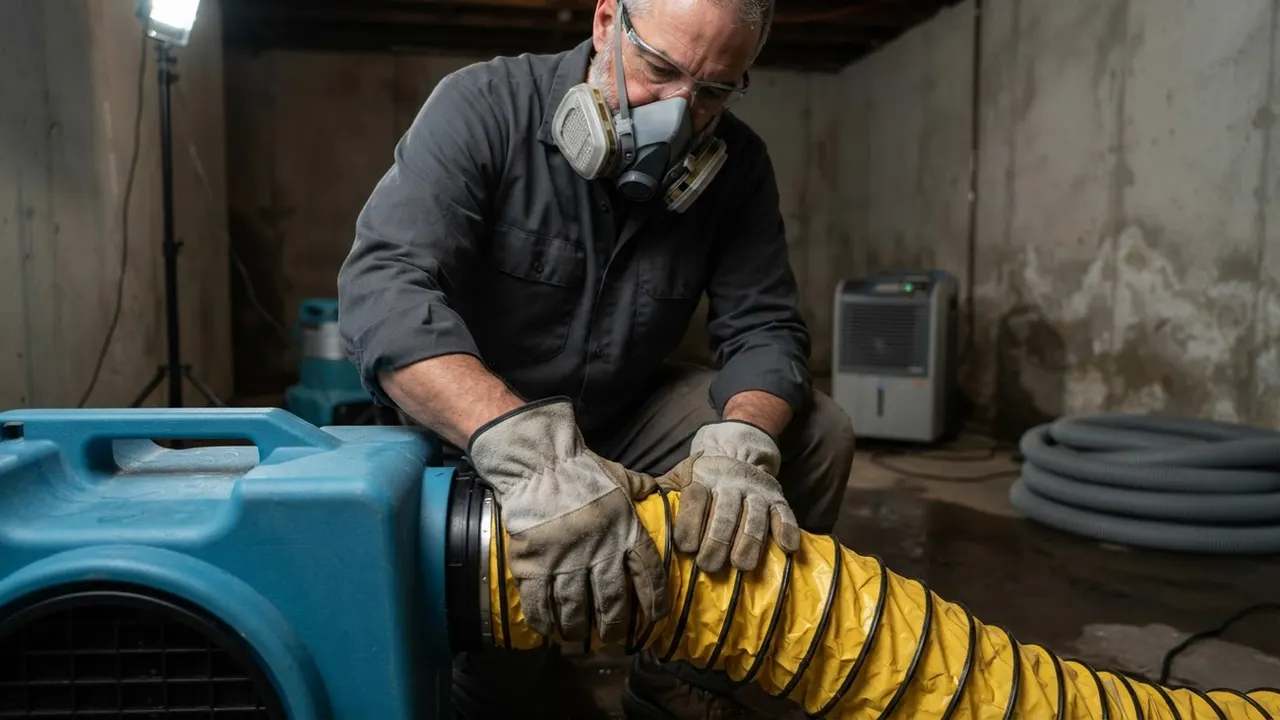
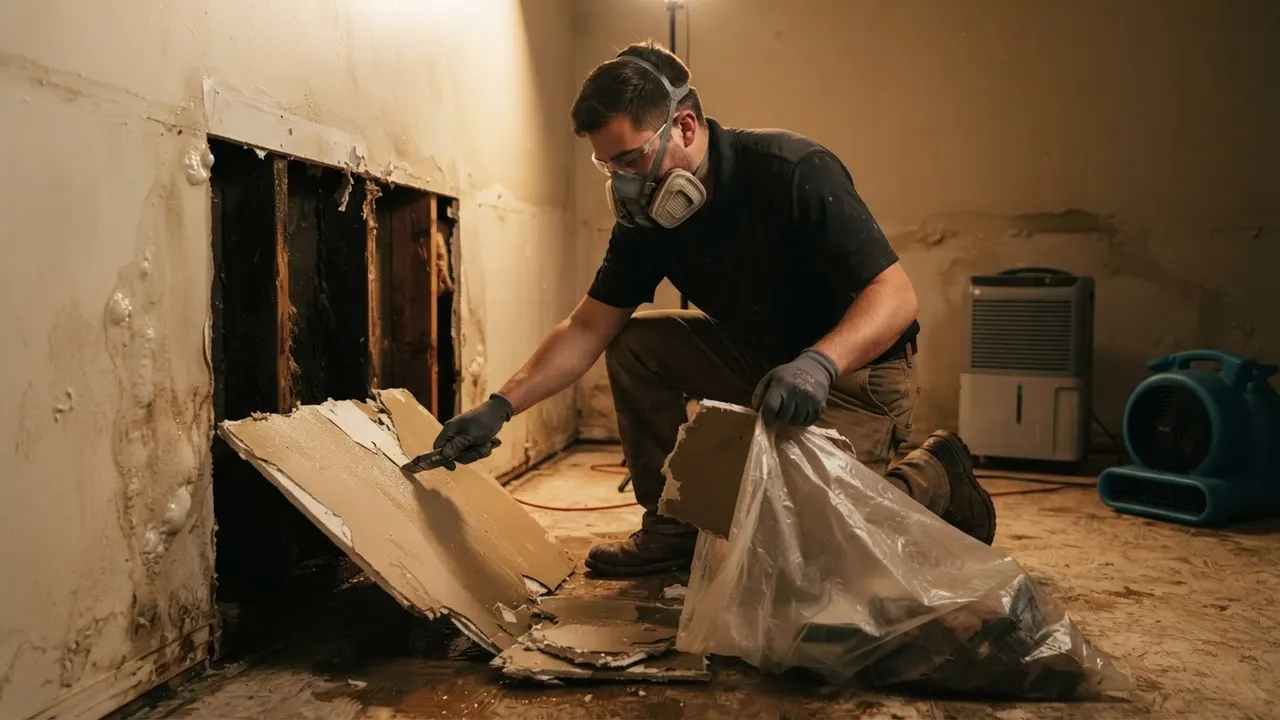
We inspect the wall and nearby floors, compare moisture readings, and use thermal imaging to guide closer checks. If readings indicate a wet cavity, we explain the access needed, remove water-damaged material where appropriate, and dry the area before it is closed. Moisture can soften drywall, wet insulation, and create a musty odor before a large stain appears. Waiting for visible damage can make the affected area harder to define.
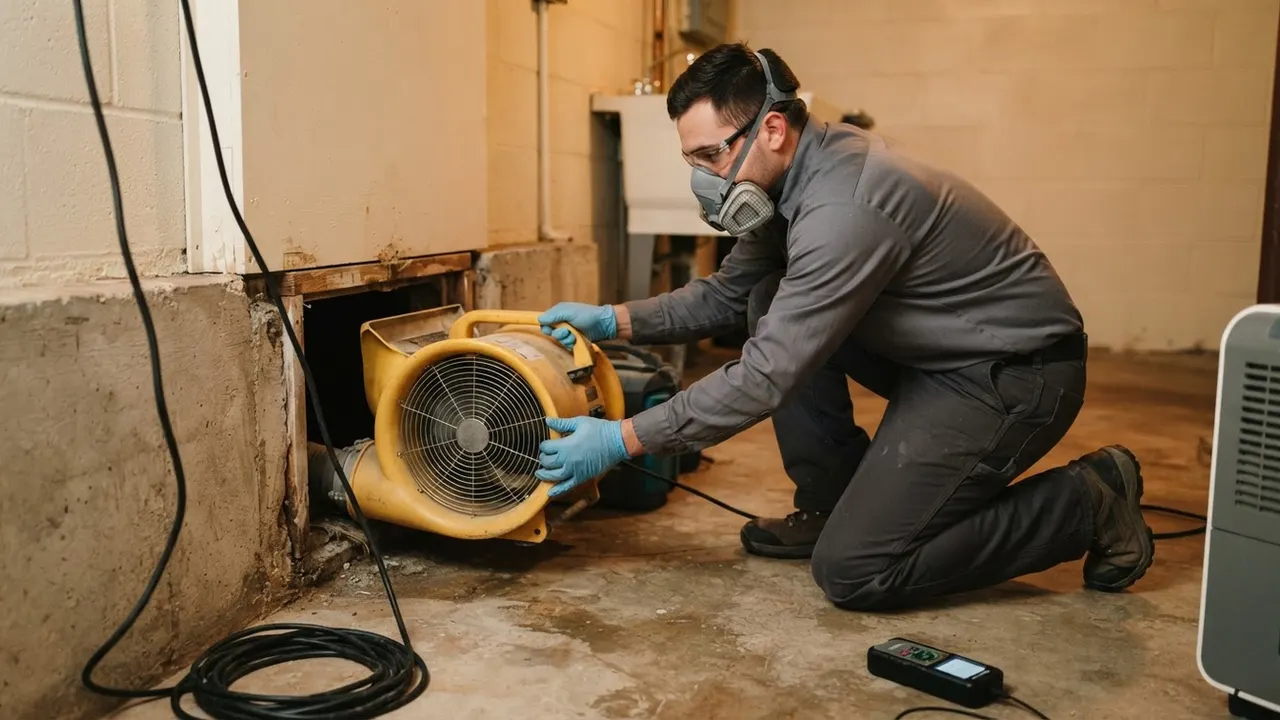
We extract standing water and check cabinet edges, flooring transitions, and accessible low points. A moisture meter helps determine where drying is needed. We document material condition and identify whether padding or swollen finishes need removal rather than leaving them concealed. Cabinet bases can absorb water while it moves beneath tile or hardwood. Surface drying alone may leave moisture at the toe-kick, subfloor, or carpet padding in the next room.
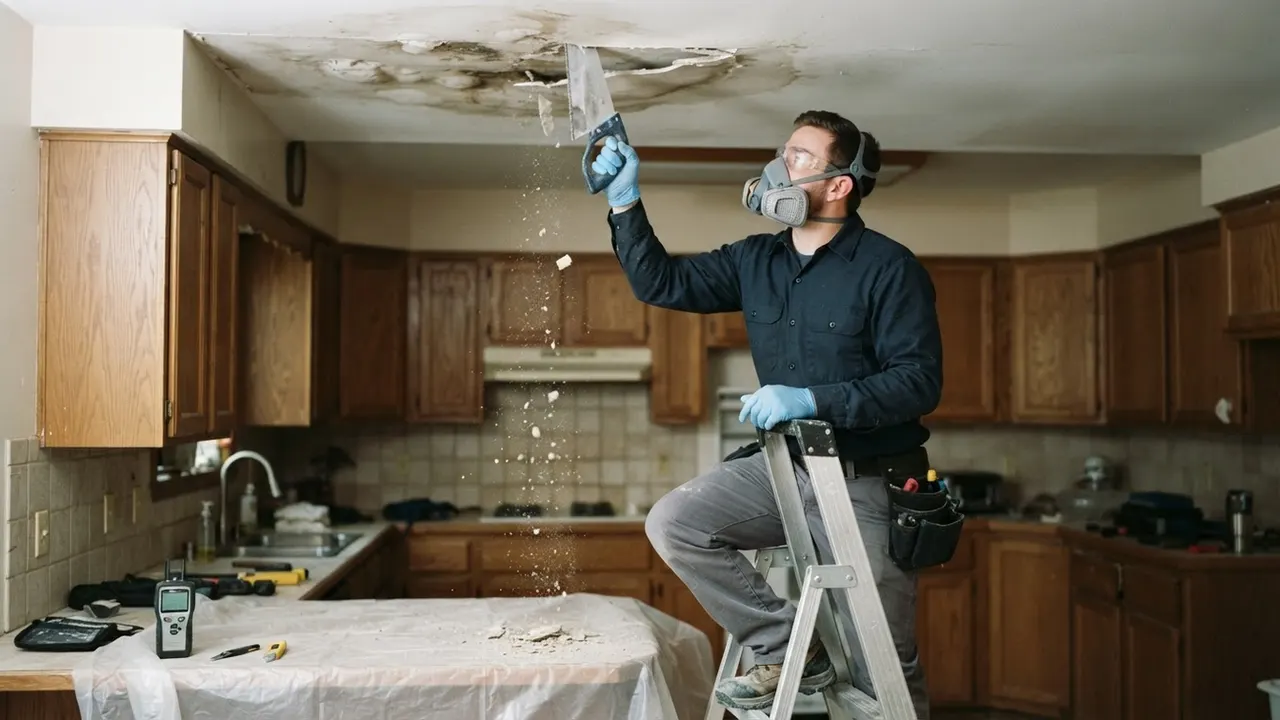
We inspect the ceiling and adjacent surfaces, check the cavity where safe access is available, and remove pooled water. After the leak source is addressed, we set drying equipment and track readings so ceiling repairs do not trap damp materials. Water may collect above the ceiling and wet insulation before it drips into the room. A softened ceiling or spreading stain can signal continuing moisture in the cavity.
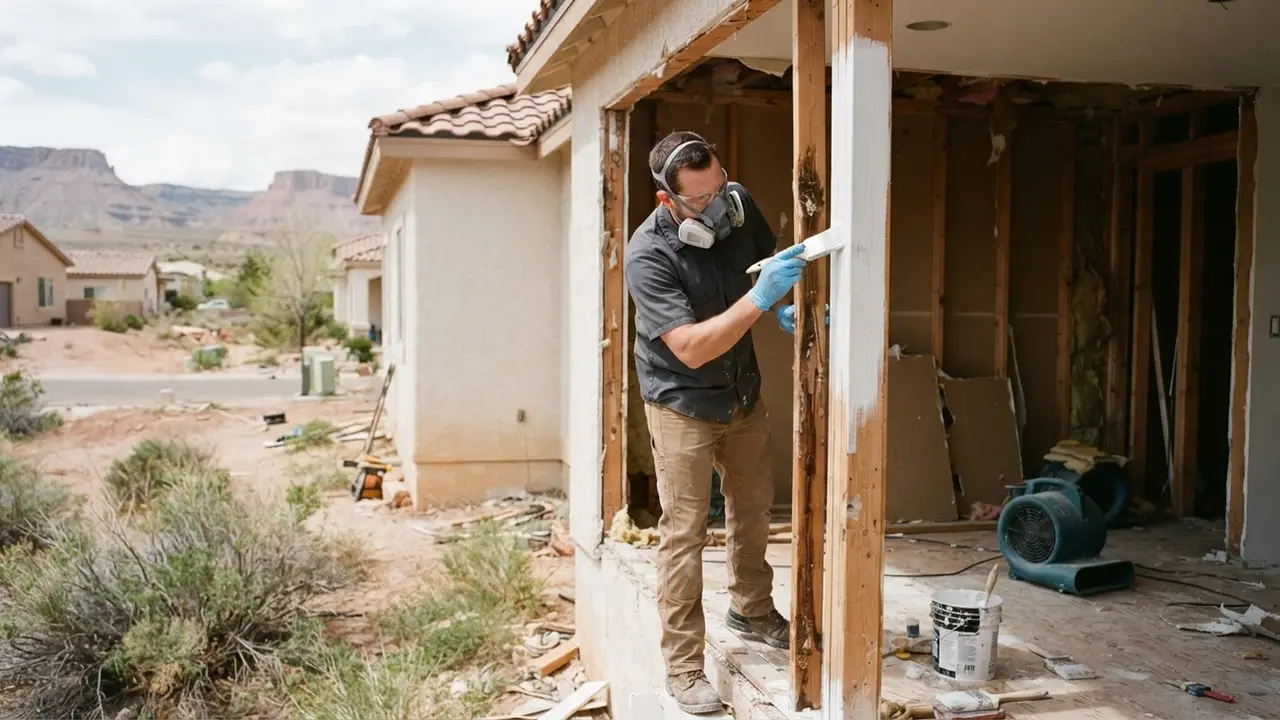
We help you prioritize shutting off the water, then inspect for the leak footprint and remove released water. We check adjacent materials for hidden moisture and plan drying around the affected area, while pipe repair addresses the split line itself. The pipe can begin leaking as soon as ice clears, sending water into a wall, cabinet, or utility area. The damage may continue even after the temperature rises.
We locate the visible wet area, identify likely paths beneath flooring or behind a wall, and extract accessible water before it travels farther. A water extraction unit removes pooled water, while moisture readings help us decide where equipment belongs. This is especially useful when a small break has run for 20 minutes or more before anyone notices.
Drying is based on measured conditions, not guesswork. We track moisture in affected drywall, baseboards, and flooring and use air movers and a dehumidifier where readings support them. You receive practical updates as the readings change, helping you understand when a room is ready for repair rather than relying on a fixed equipment schedule.
Water can reach rugs, furniture legs, boxes, and household items before the leak is obvious. We separate affected contents from wet surfaces, document visible damage, and prioritize items that can be dried or cleaned. That can keep a cabinet of stored belongings from sitting in damp conditions while work continues on the pipe area.
A pipe break often leaves more than a plumbing problem: wet insulation, swollen baseboards, or a stained ceiling can need separate restoration steps. We explain what we found and distinguish drying work from reconstruction. You can plan the next trade and avoid covering damp materials before moisture checks support closing the area.
Clear records you can keep and share.
Recorded readings at affected surfaces and comparison points.
Accessible standing water extracted from impacted areas.
Equipment placement and follow-up checks based on material conditions.
Pipe repair stops water escaping from the damaged line. Restoration handles water already inside the building, where flooring, insulation, or wall materials may remain damp.
The supply must be shut off and the failed line repaired. Drying equipment cannot prevent further water from entering.
A dry-looking surface can hide moisture beneath it. Readings help show where extraction or further inspection is needed.
Wet materials should not be covered just because the room feels dry. Follow-up checks help guide the timing of finish repairs.
Outside these neighborhoods? Call and ask about service in your area. (833) 546-4116
Water-damage cleanup commonly varies while plumbing repair can add to the cost depending on access and pipe damage. For typical 2026 pricing in Mesquite, the total depends on water volume, affected rooms, material removal, and drying time. We assess the visible damage and explain the work and price before proceeding. Hidden leaks behind walls or beneath flooring can increase labor because access and verification take longer.
Shut off the nearest safe water valve immediately, then call for help; water extraction should begin as soon as the leak is controlled. Keep people away from wet electrical fixtures, move dry belongings out of the area, and take photos if it is safe. Avoid cutting into walls or using household fans on wet insulation. We can assess burst pipe water damage cleanup Mesquite NV needs and explain the next steps.
Many homeowners policies cover sudden accidental pipe damage, but coverage depends on policy wording, maintenance history, and the cause of the leak. Report the loss promptly, photograph affected rooms, and keep damaged parts if practical. We document conditions and restoration work to help you discuss the claim with your insurer. Your carrier makes the coverage decision, including any limits, deductible, or exclusions.
Water extraction can often start the same day, while complete drying commonly takes 3 to 5 days. The plumbing repair timeframe depends on the pipe location, access, and parts needed. We first focus on stopping further water damage, then measure moisture and set equipment. For same day burst pipe repair Mesquite NV requests, call (833) 546-4116 and tell us whether the water is still running.
If water is spreading from a broken line, call Mesquite Water Damage Company at (833) 546-4116. Our team will help you identify the immediate next step, assess affected materials, and plan extraction and drying. We use measured moisture checks to guide restoration work.
Call (833) 546-4116 to explain what happened and where water is collecting. We take calls for water damage requests and connect you with an independent company that can discuss service details directly. If the leak is active, shut off the source when safe and tell us whether the water reached electrical equipment, flooring, or more than one room.