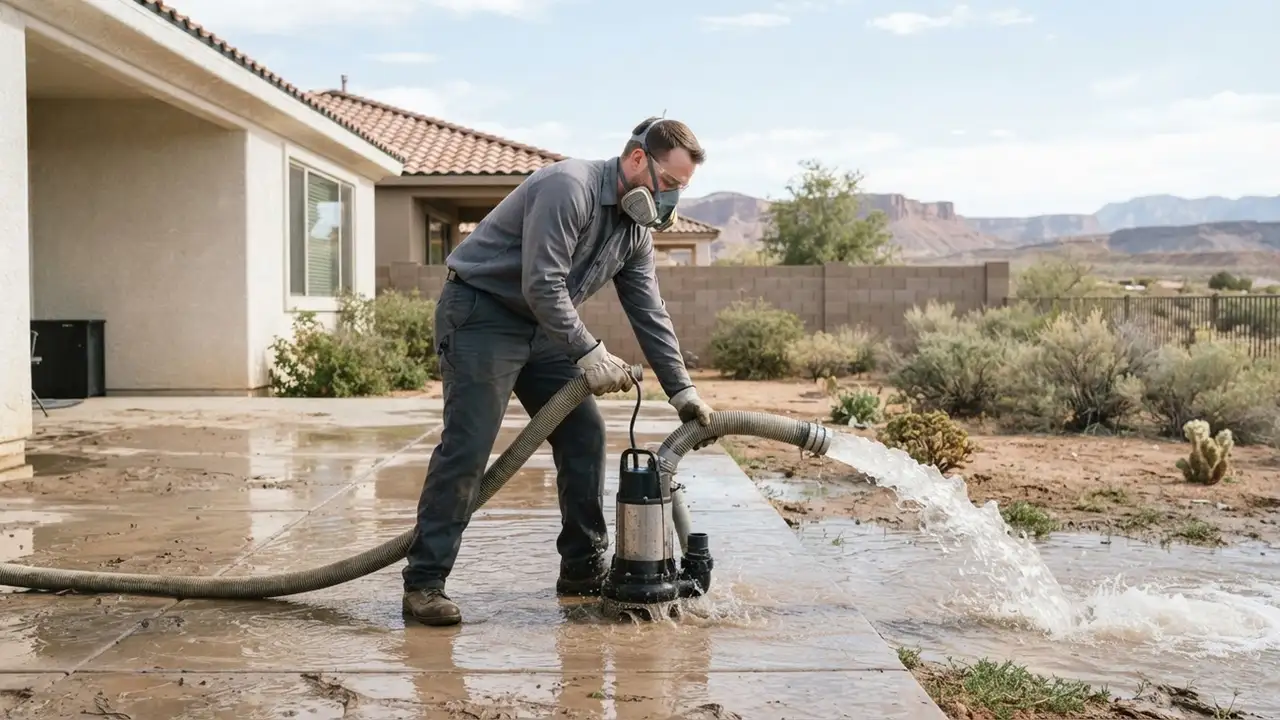
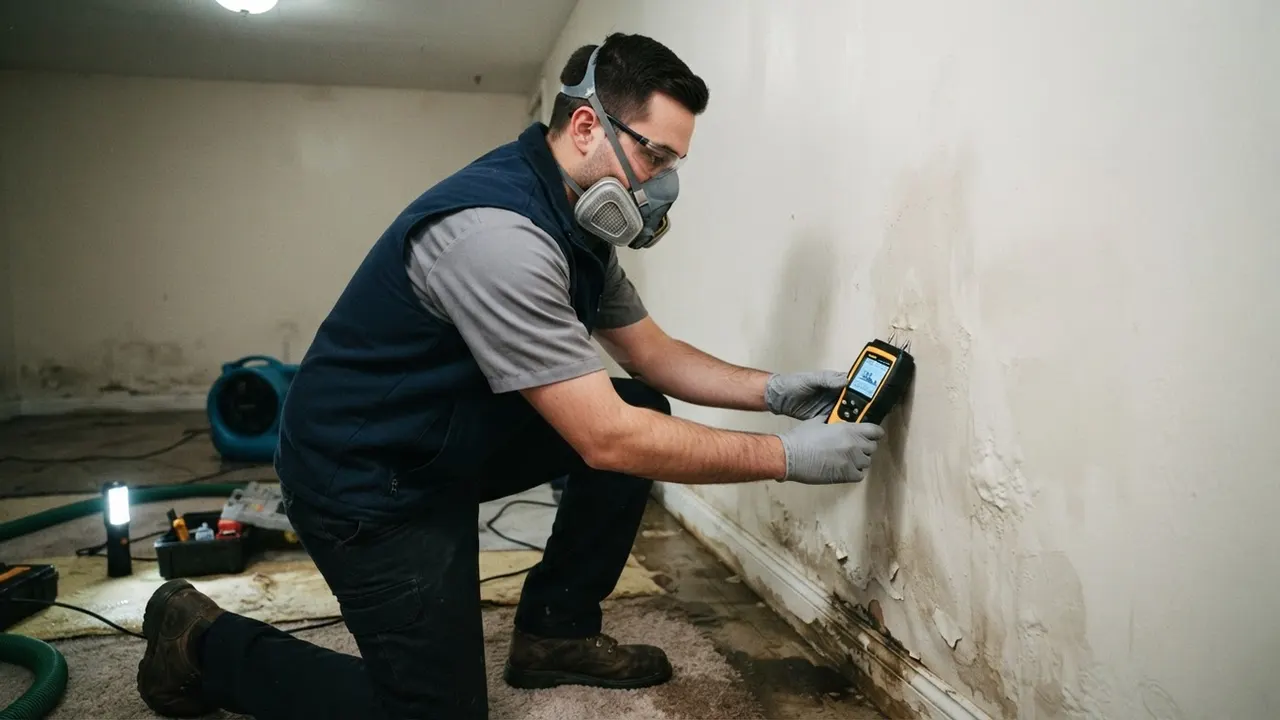
Moisture Findings
Readings and affected areas documented.
Drywall water damage repair and replacement Mesquite NV helps homeowners, tenants, and property managers stop damaged wallboard from worsening after a leak or flood. We locate affected areas, remove material that cannot be dried safely, and rebuild the surface once the cavity is dry. Our crew handles drywall repair Mesquite NV after plumbing leaks, roof leaks, and appliance failures, with clear steps from inspection through finishing.
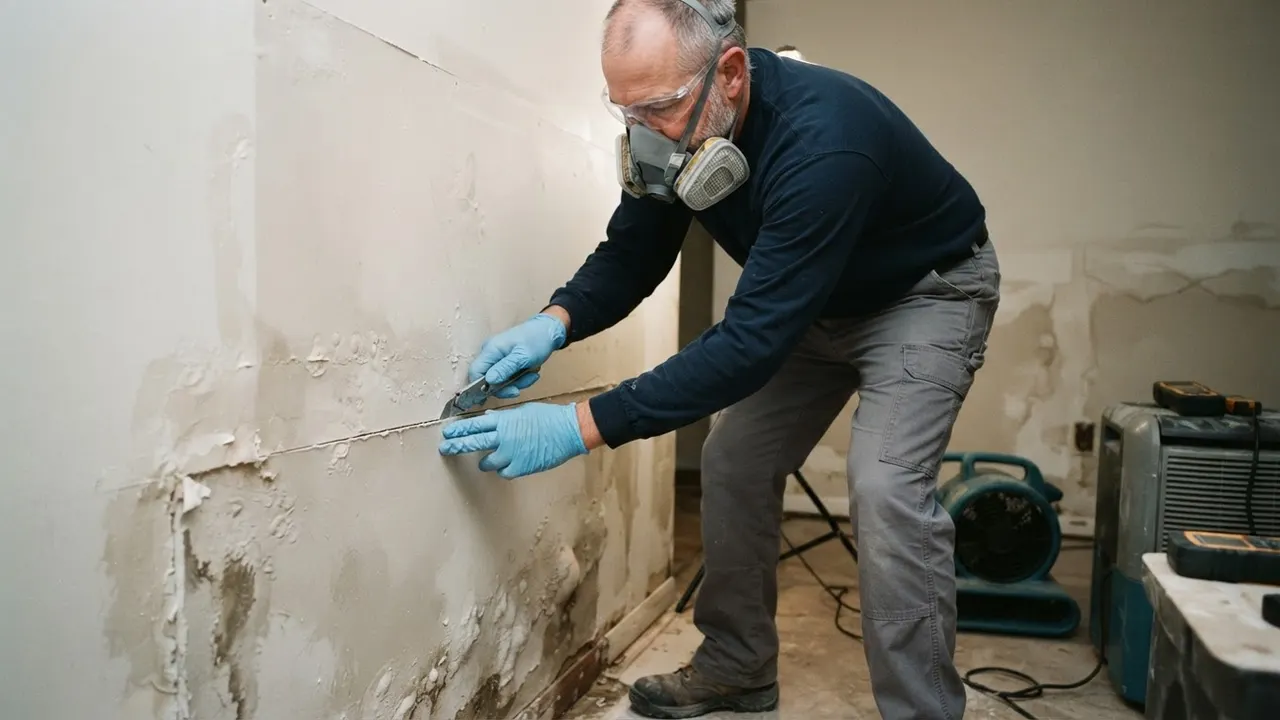
The work covers inspection, moisture mapping, protection of the work area, removal of drywall that cannot be retained, and drying of the exposed cavity. We replace affected insulation when needed, install matching board, tape and finish seams, and leave the surface prepared for paint. The exact repair depends on the water source and materials affected; separate plumbing, roof, flooring, or finish-paint work is coordinated when required by the damage.
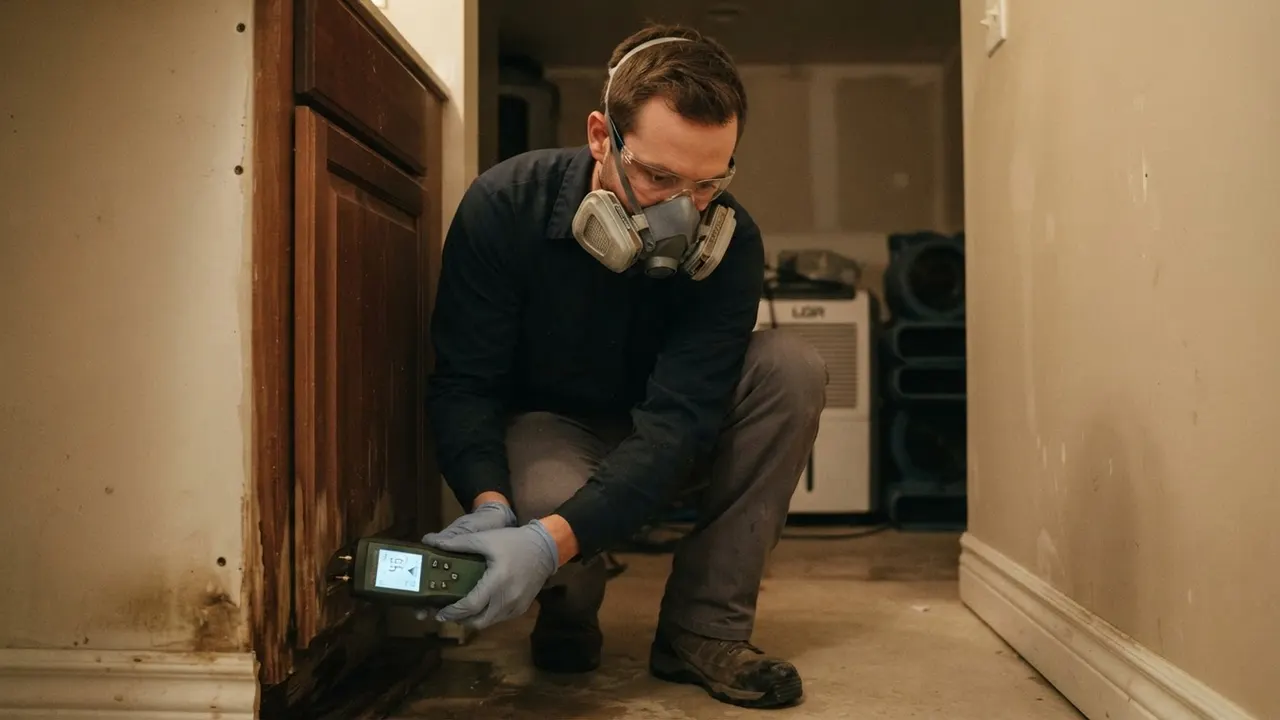
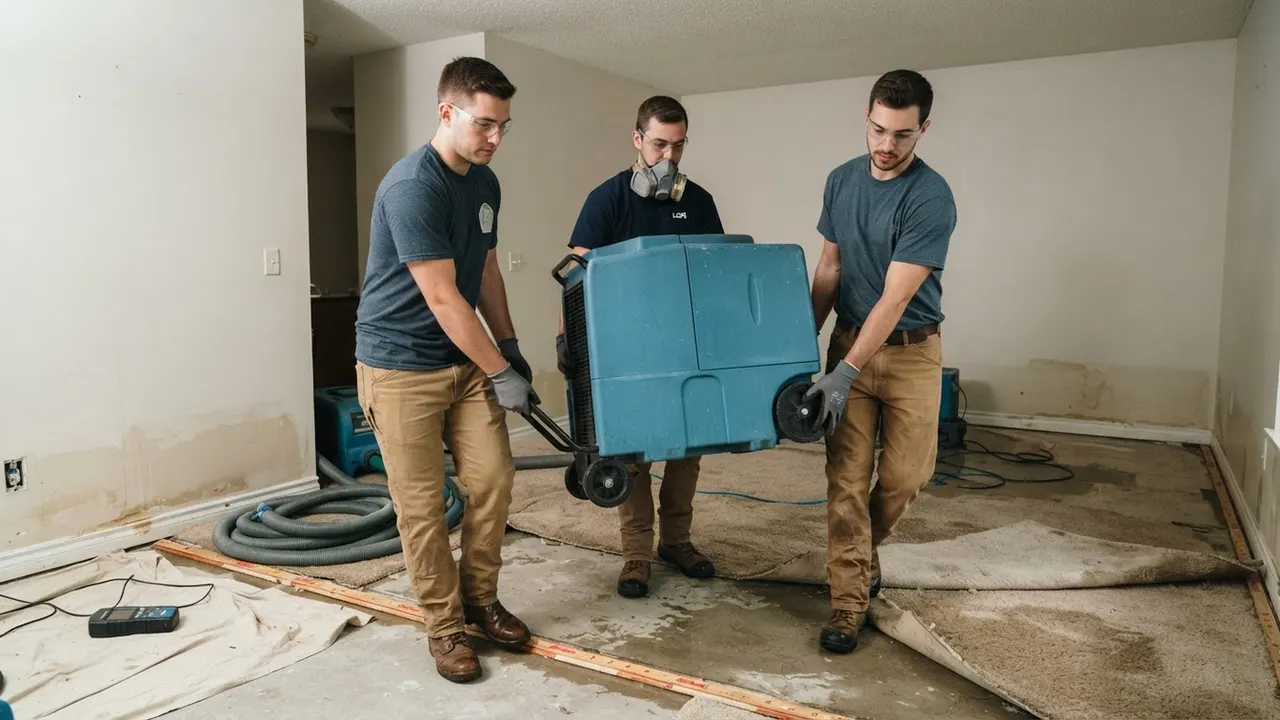
We repair water-damaged walls and ceilings in occupied homes while protecting nearby rooms and belongings. You get a clear explanation of what is wet, what needs removal, and when the surface can be rebuilt.
We coordinate wall repairs with property owners and managers to limit disruption and keep the affected area organized. Our work sequence separates water removal, drying, and finishing so rooms can return to use on a practical schedule.
Drywall water damage repair and replacement Mesquite NV is a building restoration service that removes unsalvageable wet wallboard and restores sound, dry wall and ceiling surfaces after a water intrusion. We check the visible damage and the cavity behind it, including insulation and framing, before choosing a repair. A moisture meter helps map dampness beyond the stain; a small, controlled opening can reveal hidden water without removing an entire wall. We then dry the assembly, replace affected materials where needed, tape, finish, and prepare the surface for paint.
In Mesquite, a burst pipe, appliance leak, roof leak, or slab leak can wet drywall before a stain appears. Dry indoor air does not prove that the insulation or framing is dry, so we measure rather than guess. If you are searching for drywall water damage repair and replacement Mesquite NV near me, we inspect the source and the affected area together, then explain whether drying, a patch, or a larger replacement best fits the damage. We serve Clark County homes and businesses.
We measure the wall, dry the cavity, and rebuild only when the materials are ready.
Drywall water damage repair in Mesquite follows a clear sequence: assess the source, document moisture, remove what cannot be saved, dry the cavity, and rebuild. We explain the next step as we go, protect adjacent rooms, and keep the repair focused on the affected materials.
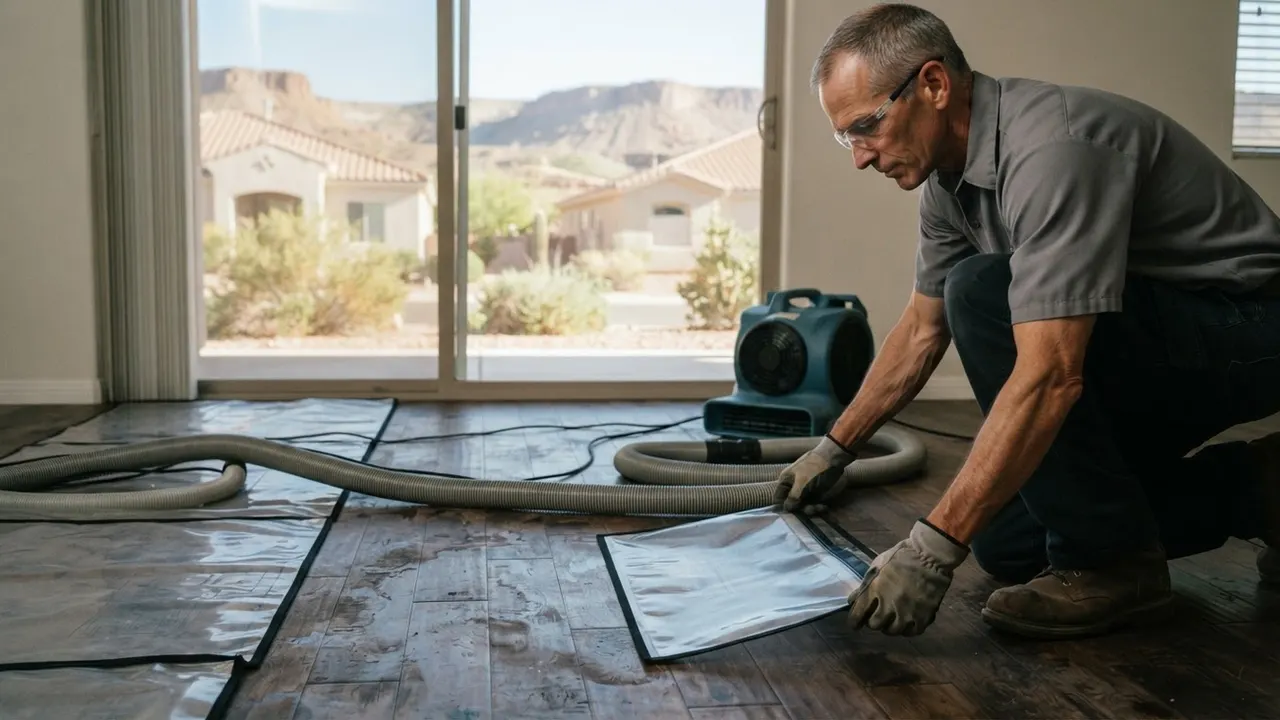
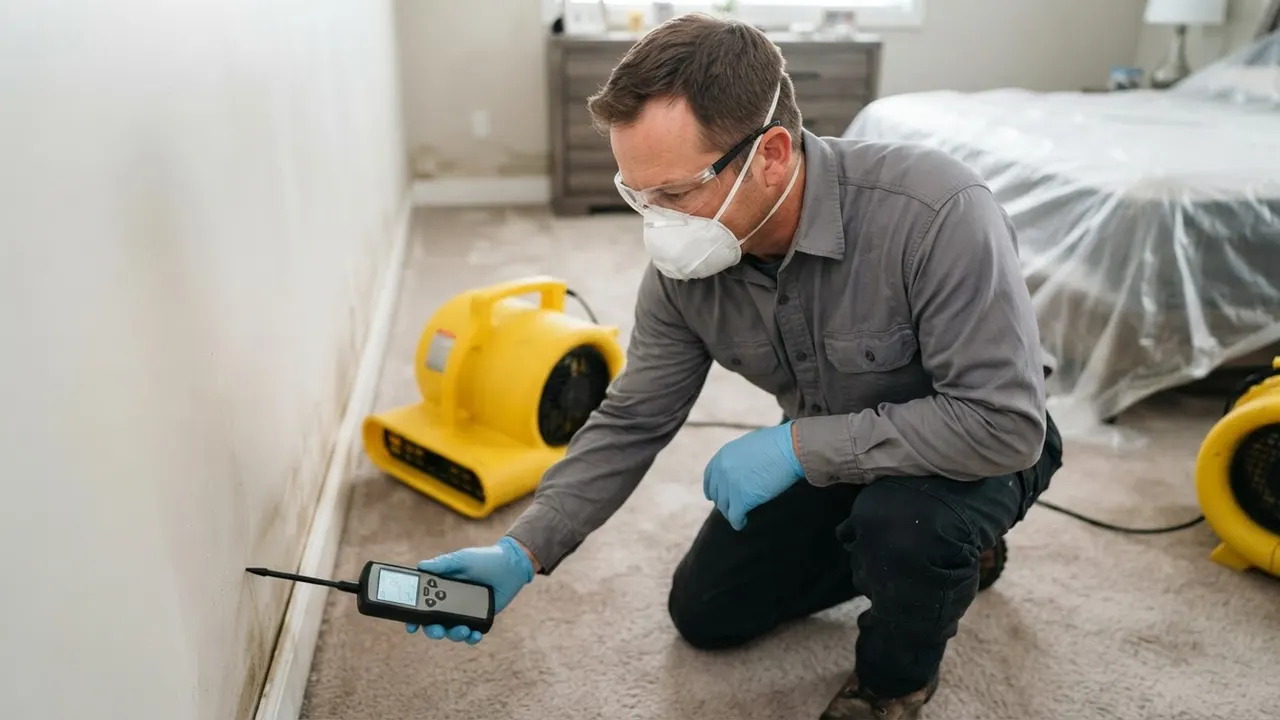
We start by identifying the leak source and tracing the visible damage across the wall or ceiling. A moisture meter, visual checks, and targeted openings help us map damp areas in the board, insulation, and framing. The first visit usually takes 30 to 90 minutes, depending on room size and access. You see the readings and the proposed work before demolition begins.
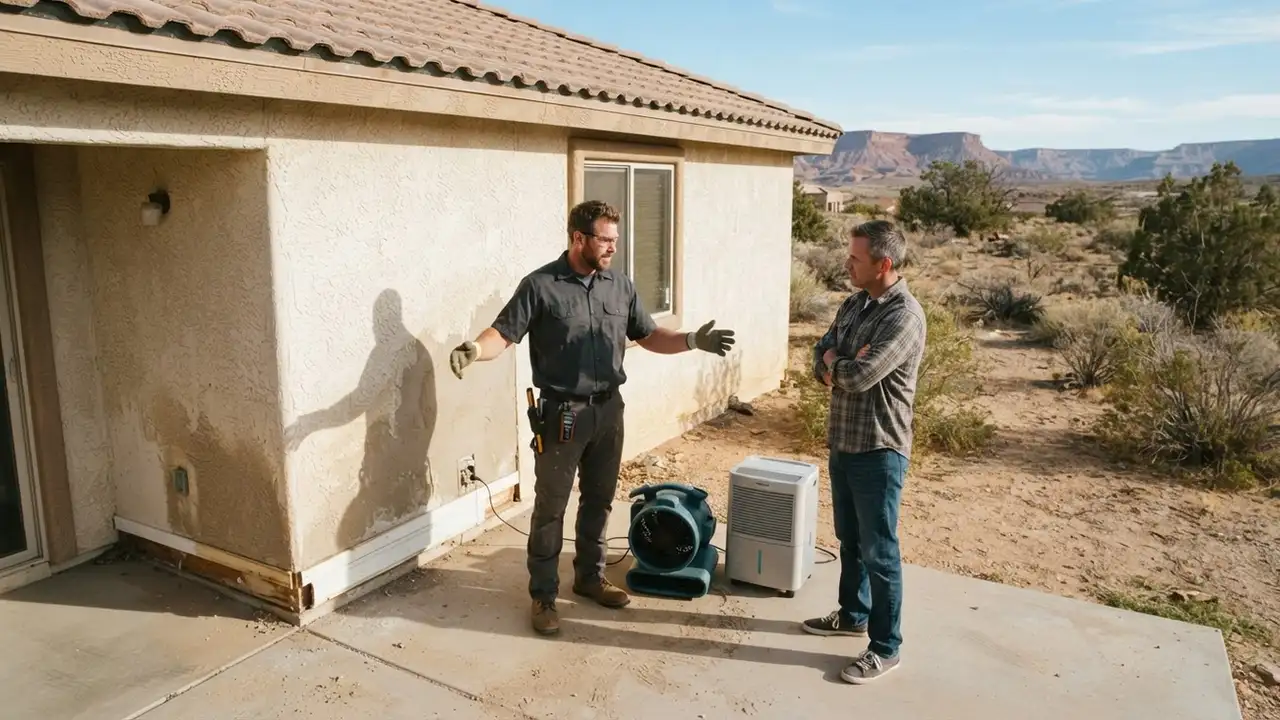
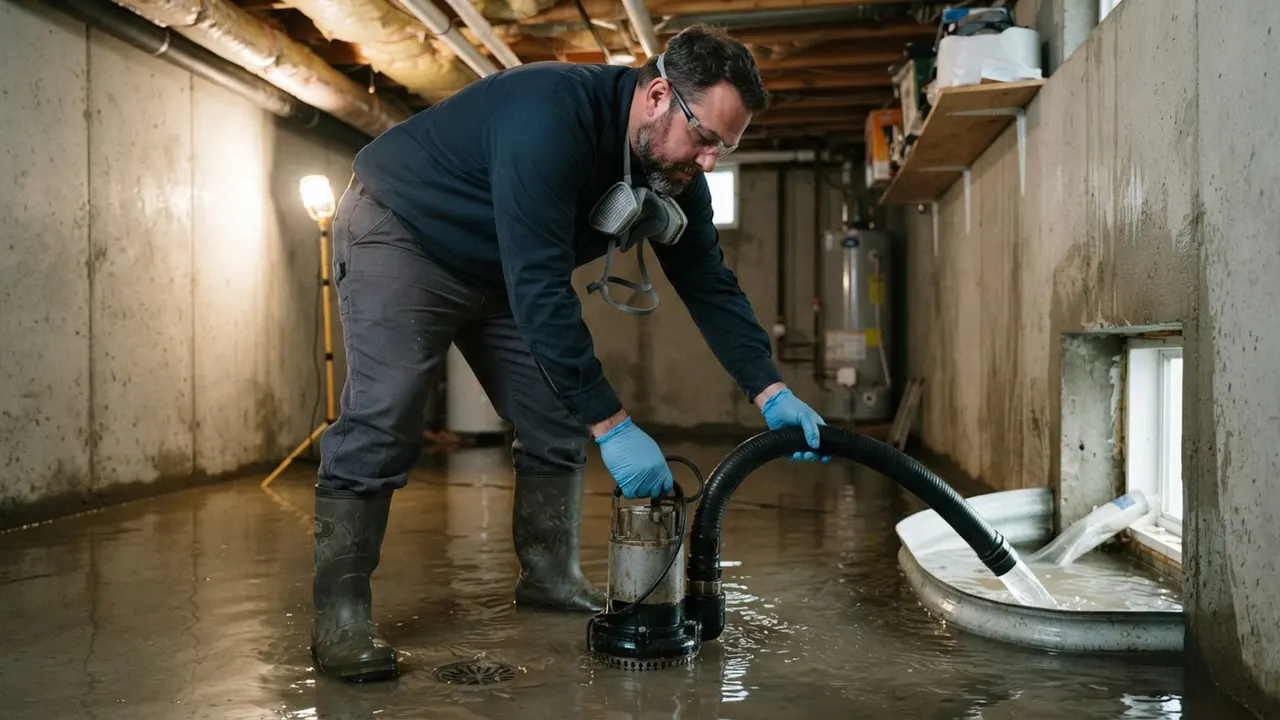
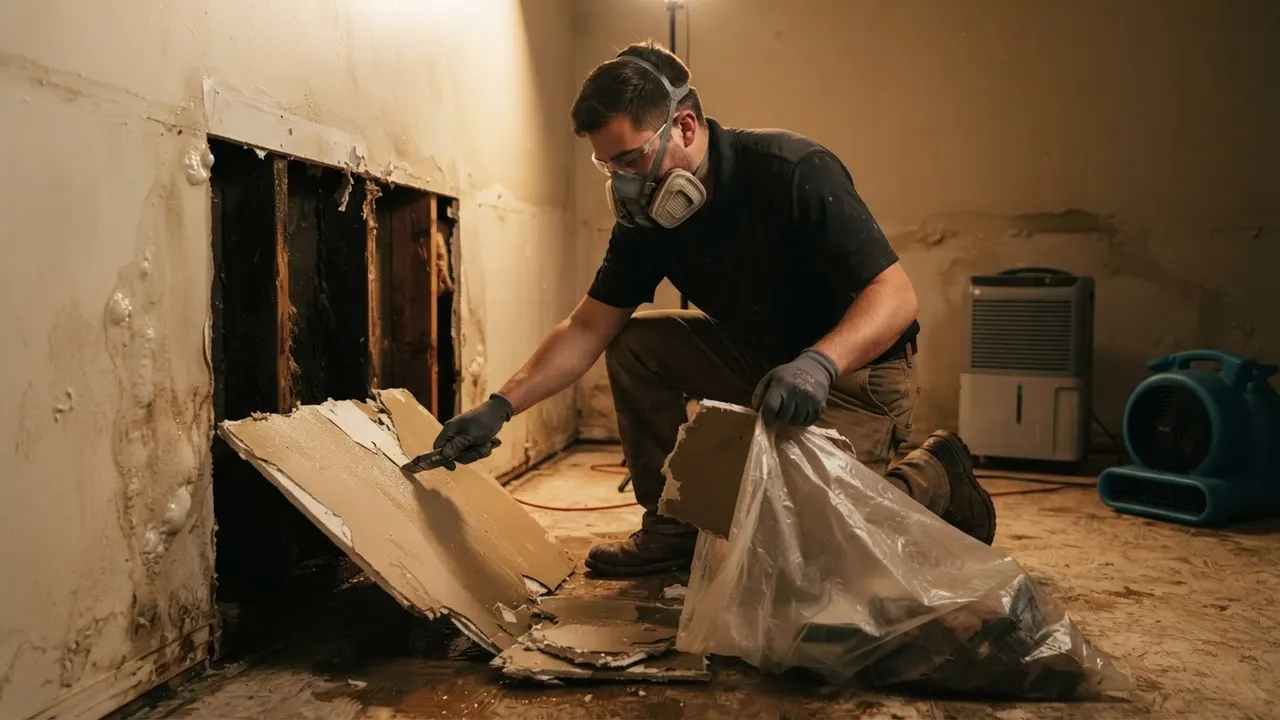
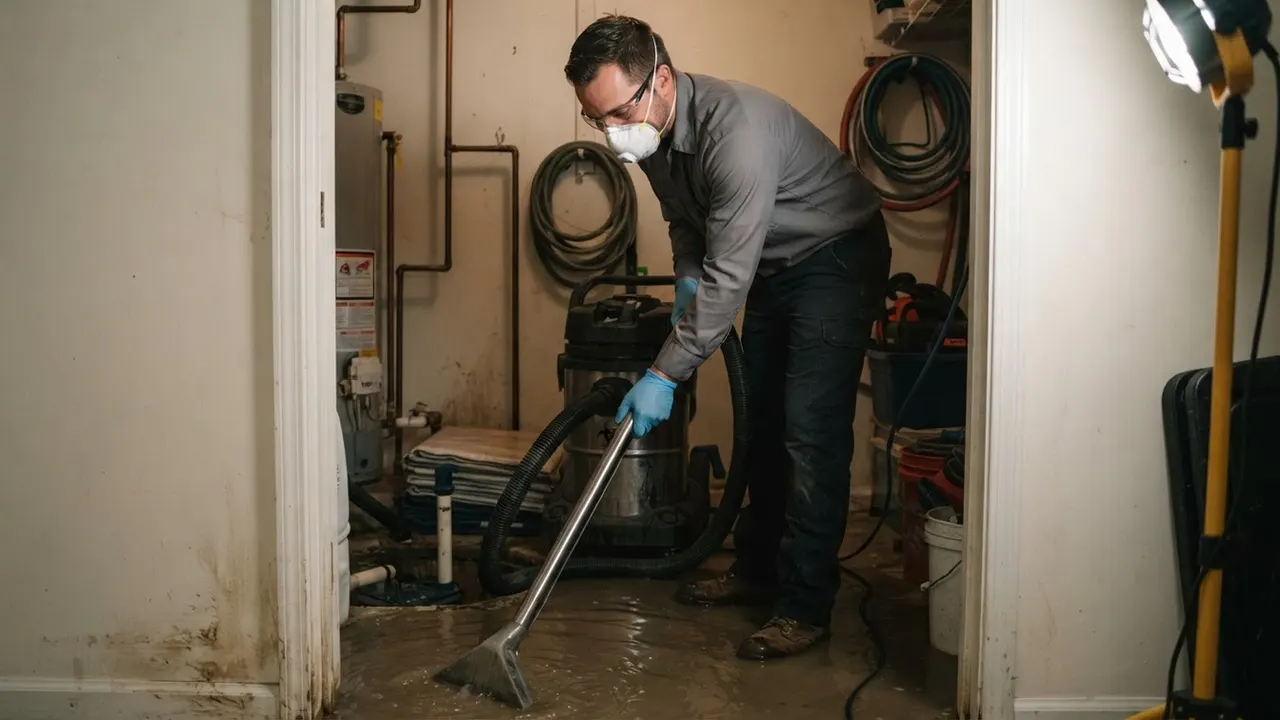
We cover nearby floors and belongings, isolate the work area where practical, and remove only damaged drywall and insulation. A water extraction unit handles standing water if it remains at the base of the wall. We bag debris as we work and check exposed framing for visible damage, odor, and remaining moisture. This stage often takes two to four hours for a contained room.
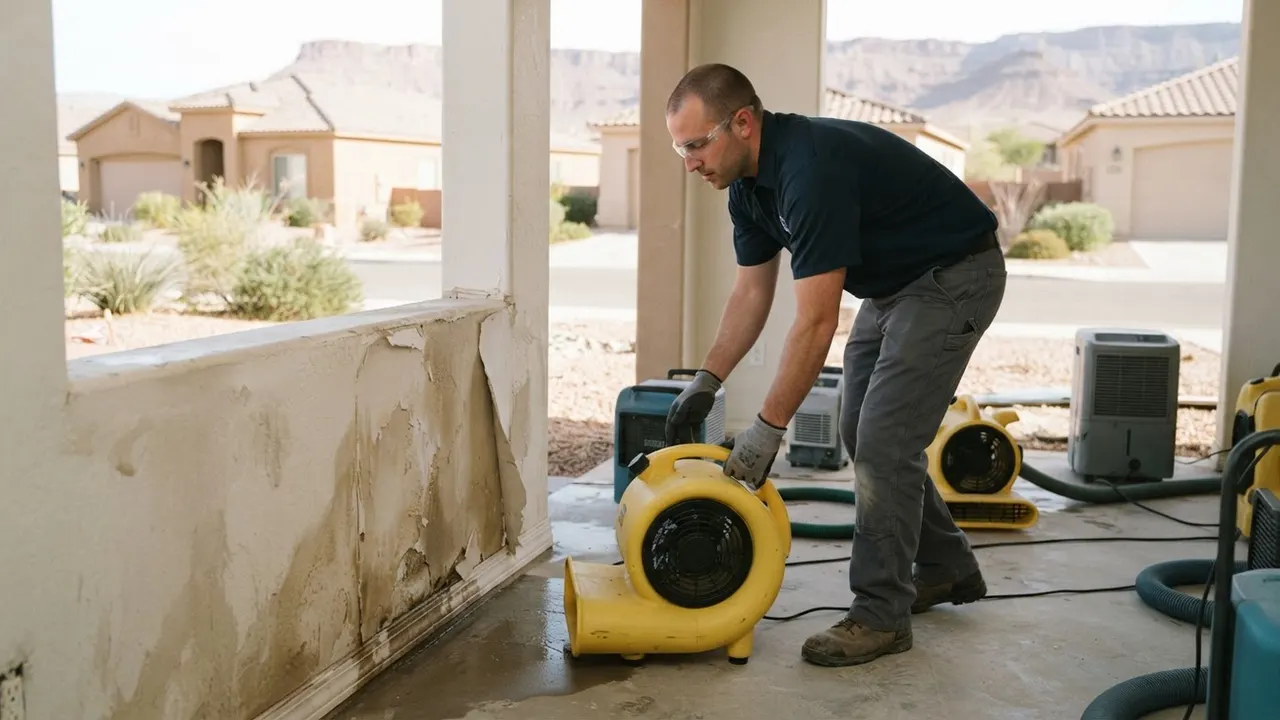
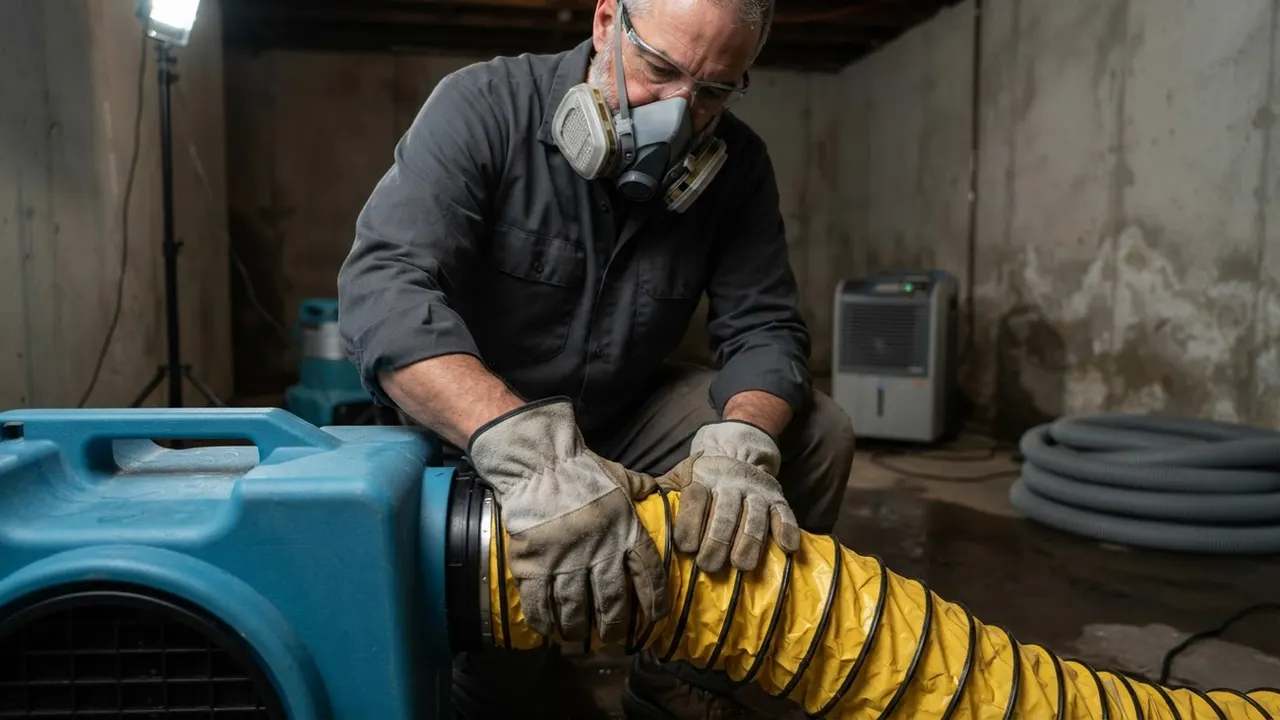
We position air movers and a dehumidifier to move moisture out of the wall assembly without simply blowing air across the room. A hygrometer tracks room conditions while repeat moisture readings show whether the framing is drying. Drying commonly takes 24 to 72 hours, but the material readings, not a fixed clock, determine when reconstruction is ready.
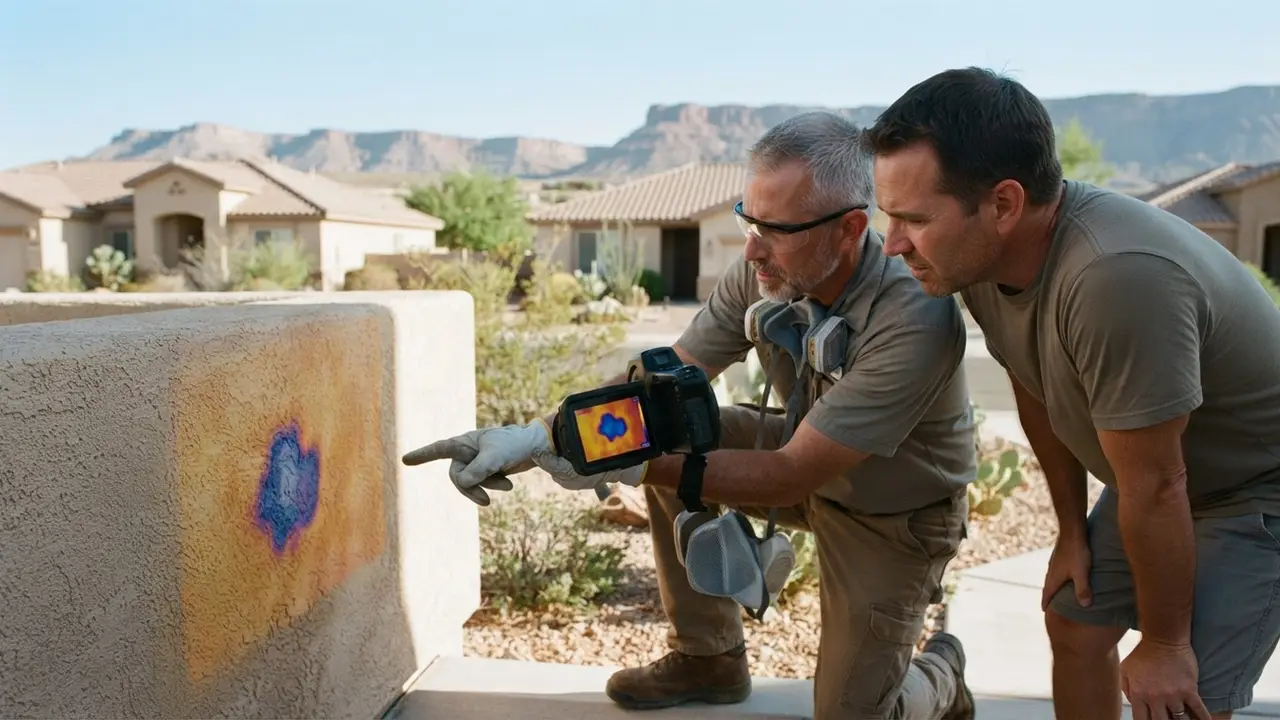
Once the affected cavity meets the drying target, we install matching drywall and replace removed insulation as required. We fasten the board, tape seams, apply joint compound in coats, and sand between applications. A small patch may need one to two workdays for finishing and drying; larger areas take longer because compound must cure before the next coat.
We inspect the repaired area for firm attachment, smooth transitions, and remaining signs of moisture. You can review the work before we clear the area, and we explain any paint or trim work that remains. We also share the moisture readings and repair details that help you track the job or discuss the loss with your insurer.
We compare readings across damaged and unaffected areas to map wet drywall, framing, and nearby materials. Repeat checks help determine when the cavity is ready for replacement board.
We use thermal patterns to identify areas that warrant closer inspection, then confirm conditions with moisture readings. The camera helps guide targeted access; it does not replace direct measurement.
We position an air mover to circulate air across exposed framing and support controlled drying. Placement changes with the opening, room layout, and measured moisture conditions.
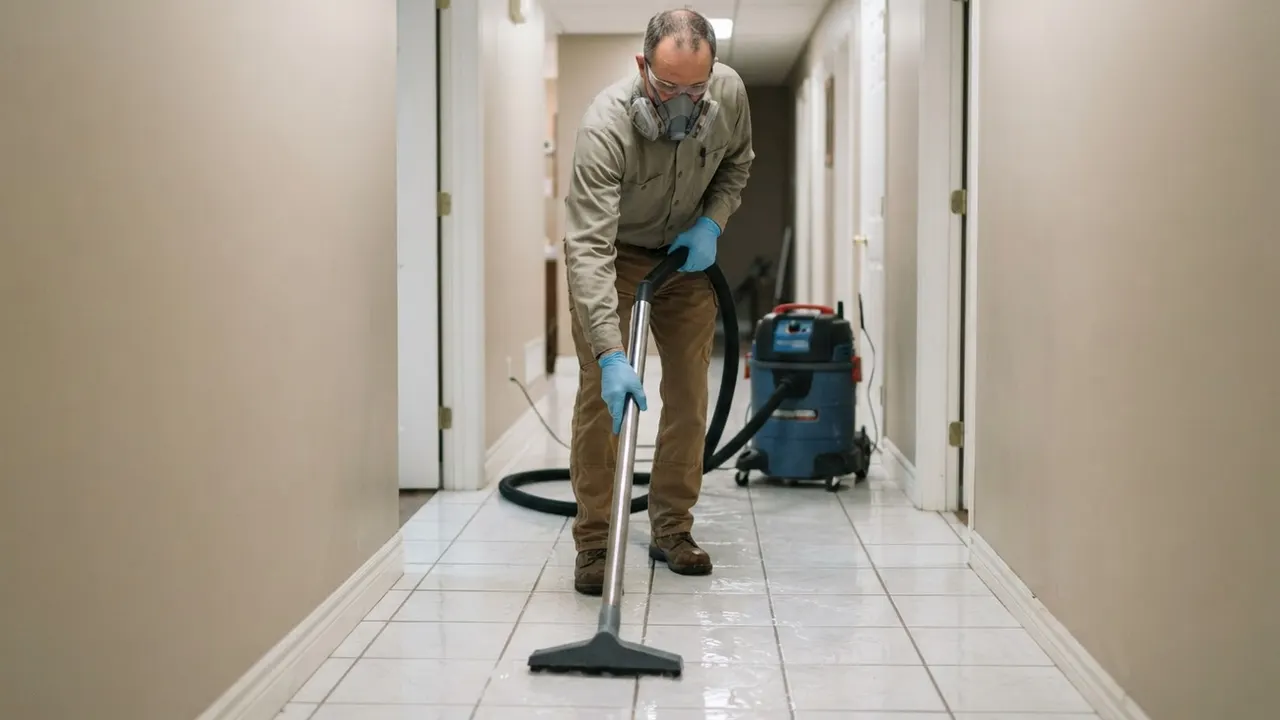
A dehumidifier removes moisture from the room air during structural drying. We monitor conditions and adjust equipment as readings change, rather than relying on a fixed run time.
During demolition, an air scrubber helps manage airborne dust in the work area. We use it where site conditions and the removal work make additional air filtration appropriate.
We establish a baseline by checking the visible damage and nearby comparison points. Readings guide the size of the opening and show whether water has traveled into adjoining walls, insulation, or framing. We repeat measurements during drying so reconstruction follows evidence instead of guesswork.
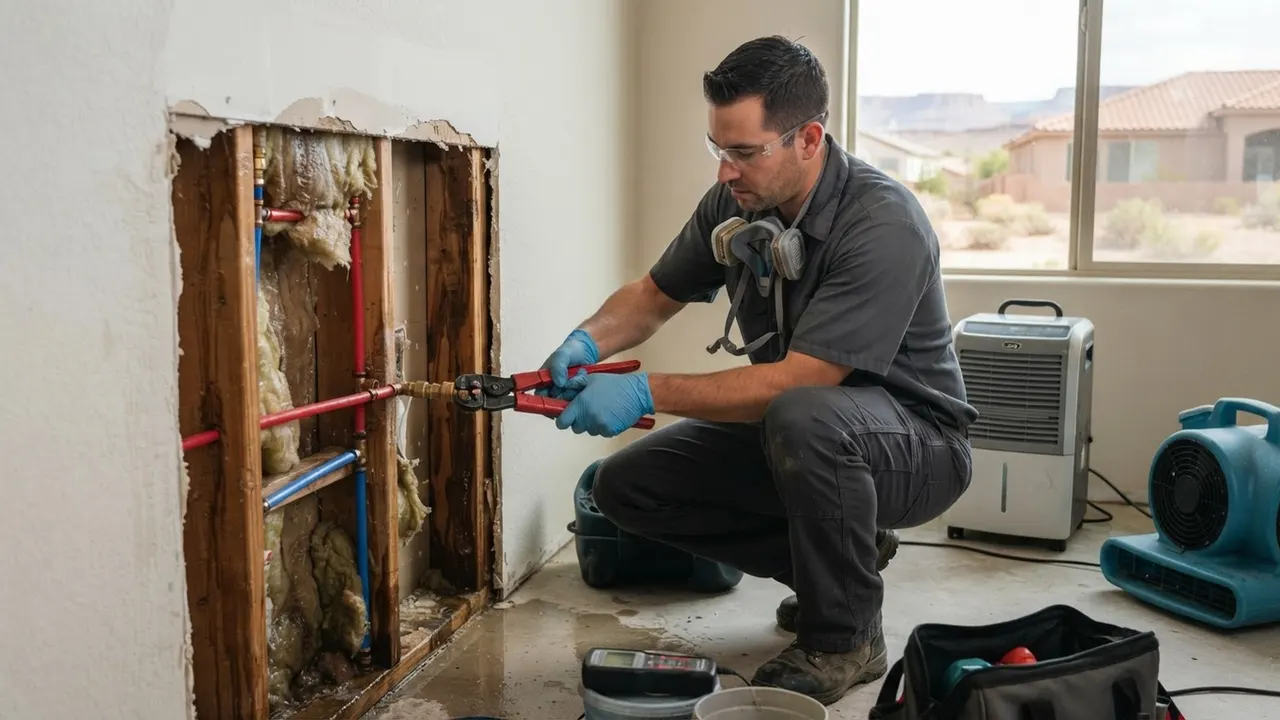
We protect the room, make a measured opening, and remove board back to stable material. Wet insulation is removed when it cannot be dried effectively in place. This method gives us access to the cavity while limiting unnecessary demolition and making the repair boundary easier to finish.
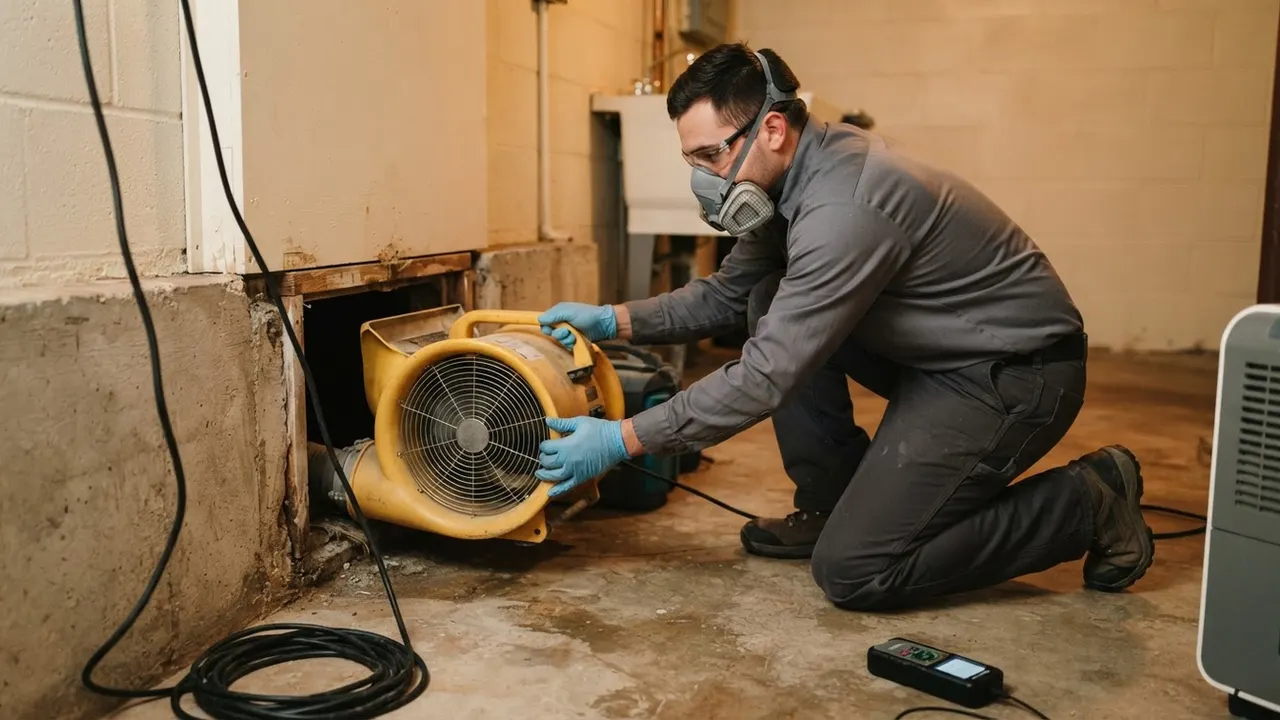
We use air movement and dehumidification to dry the exposed assembly, then verify progress with repeat readings. New drywall is not installed simply because the surface feels dry. The check includes the framing and adjacent materials that will be enclosed when the wall is rebuilt.
We help stop further damage by assessing the wet section after the leak is controlled. We inspect the board, insulation, and framing, remove materials that cannot be retained, and dry the cavity with measured checks. Once the wall is ready, we replace the drywall and finish the seams. You get a dry, stable wall assembly instead of a cosmetic patch over wet insulation, with repair details that show what was removed and rebuilt.
We check beneath the cabinet edge and along the floor-wall junction, where water can remain after the visible spill is cleaned. We remove affected drywall and insulation as needed, coordinate drying, and install new board after the cavity readings improve. The damaged section is rebuilt with attention to the adjacent flooring and baseboard, helping prevent a small leak from becoming a larger wall repair.
We verify the entry point has been addressed, then inspect beyond the ceiling stain for soft or sagging board. We remove unsafe sections, dry exposed framing, and replace the ceiling drywall when measurements show the assembly is ready. We protect the room during overhead work. The ceiling returns to a firm, even surface, and the repair covers the actual wet area rather than only the visible discoloration.
We check the lower wall, baseboards, flooring edge, and nearby framing to establish how far moisture has moved. After the leak is controlled, we remove damaged board or insulation, dry the cavity, and rebuild. We document readings during the work. You can address the wall damage with a clear record of the affected materials and avoid closing a damp section behind fresh drywall.
Drywall water damage repair in Mesquite starts with finding the water path, not just the surface stain. Local homes and commercial spaces can see damage from a burst pipe, appliance leak, roof leak, or plumbing failure hidden behind a wall. Dry, warm air can speed evaporation at the surface while moisture remains in insulation or framing, so we use readings to decide when the cavity is ready to close. During cooler nights, a frozen pipe can create a sudden wall opening; after a storm, roof water may travel across ceiling framing before it appears indoors. We serve Clark County and adjust the repair plan to the construction and access at each property. If you need drywall replacement Mesquite NV after a leak, we assess the affected assembly, protect nearby flooring and furnishings, and coordinate drying before finishing. Our service reaches Downtown Mesquite, Pecan Creek, Timber Creek, and Ridgeview. We document conditions and keep the repair sequence clear, from material removal through the final surface preparation.
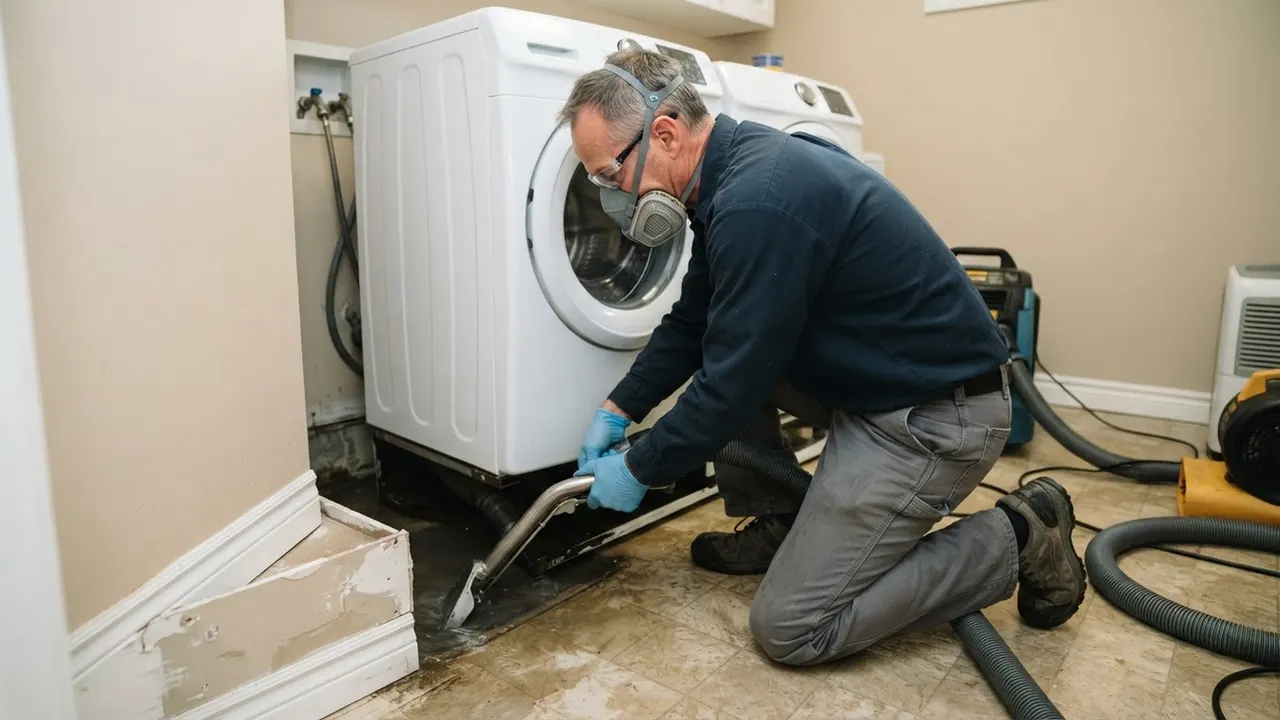
A pipe leak left a soft 4-by-6-foot section behind the laundry machines, with damp insulation and a bubbling paint edge. The leak had been stopped, but the wall still felt cool and the baseboard showed a dark line. A quick patch would have covered the evidence without drying the cavity.
We removed the compromised board and insulation, dried the exposed framing, and checked readings before rebuilding. The replacement section was taped and finished over several visits, leaving a smooth wall ready for primer. We also checked the floor edge and adjacent baseboard for moisture before clearing the work area.
Check supply connections and appliance hoses periodically, especially after moving a machine. If you see a new stain or smell dampness, shut off the source and have the wall checked before paint or trim hides the area.
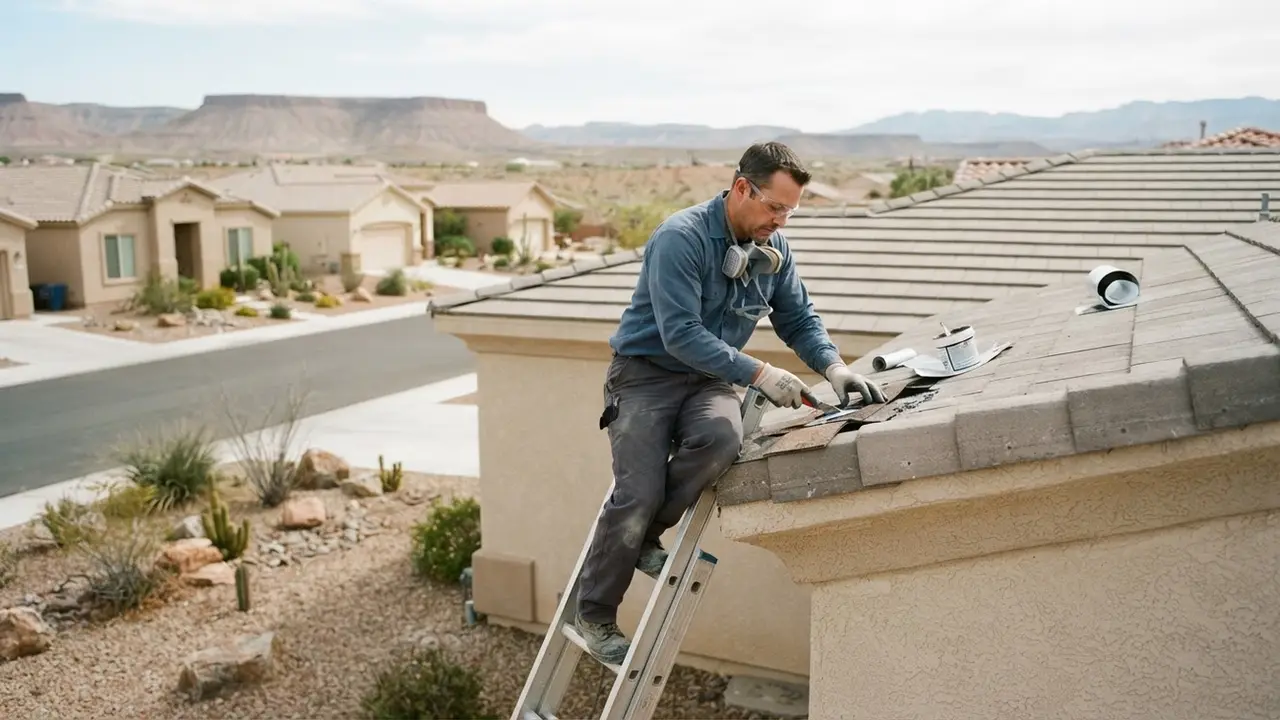
A roof leak left a brown stain roughly 3 feet wide above a bedroom window. The center of the ceiling board was discolored, and a small edge felt soft. The room had dried on the surface, but insulation above the ceiling still needed inspection before any patch could be trusted.
We checked beyond the visible mark, removed the affected ceiling section, and dried the exposed area before installing replacement board. The new seams were taped and finished in coats, producing a firm surface with no sag. The repair was prepared for paint after the compound had dried and the cavity readings were acceptable.
After roof work or heavy rain, look for fresh ceiling discoloration, peeling paint, or a musty odor. Early inspection can limit the area requiring removal and help protect insulation and framing from prolonged moisture.
A slow dishwasher leak dampened the lower wall, cabinet end panel, and a strip of flooring. The drywall paper had lifted near the baseboard, but the damage looked small from the kitchen doorway. Moisture readings were needed to see whether water had moved behind the cabinet.
We opened the affected wall section, removed damaged board, and checked the insulation and framing. After drying, we installed new drywall and finished the seams, while documenting the adjacent floor and cabinet edge. The repaired wall was smooth and ready for paint, with the wet materials addressed rather than concealed.
Inspect the cabinet base and floor beside dishwashers and sinks for swelling, dampness, or a persistent odor. A prompt check after a leak helps keep moisture from spreading into wallboard and nearby flooring.
A stain is only one clue that water has entered a wall. Our drywall water damage cleanup Mesquite NV work addresses the damaged board and the hidden conditions that can undermine a patch. We check connected materials and explain the practical fix before rebuilding.
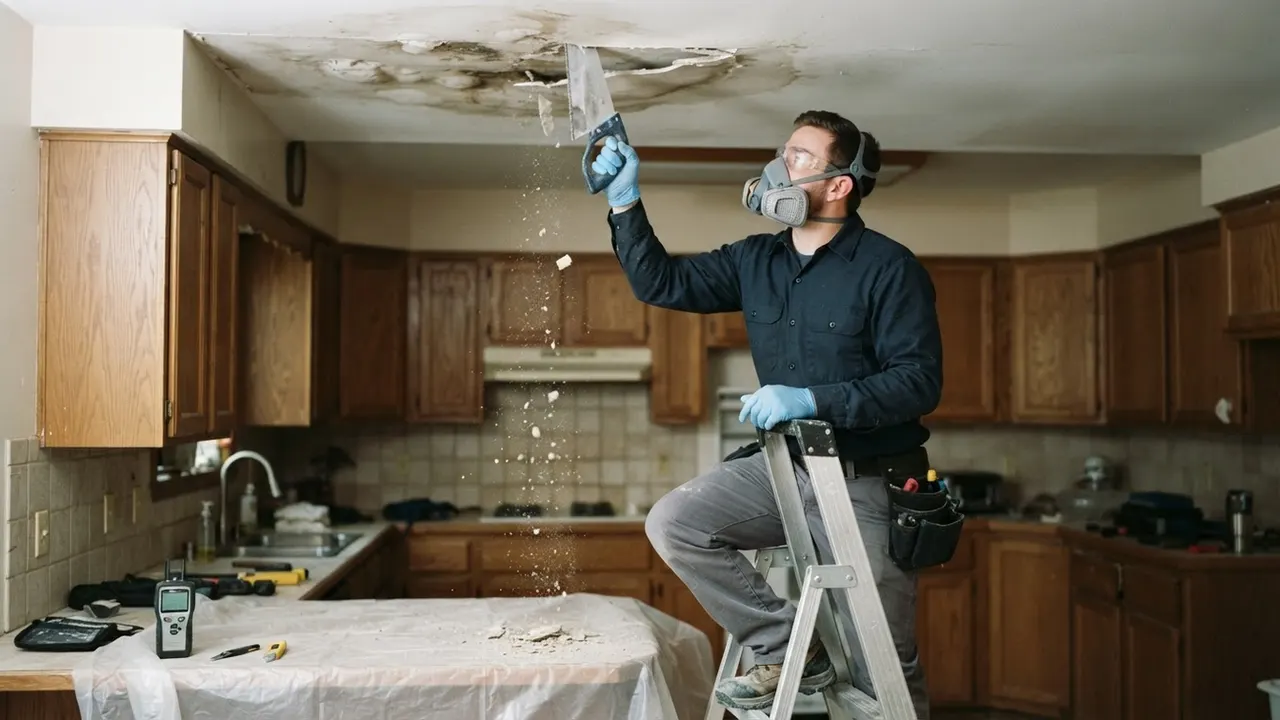
We trace the affected area, check the roof leak has stopped, and measure the ceiling and nearby framing. If the board is compromised, we remove it, dry the cavity, and install replacement drywall after readings support closure. We finish the seams so the repair blends with the surrounding ceiling. Water can travel along framing and soften ceiling board beyond the visible mark. A larger wet area may sag or release debris if left in place.
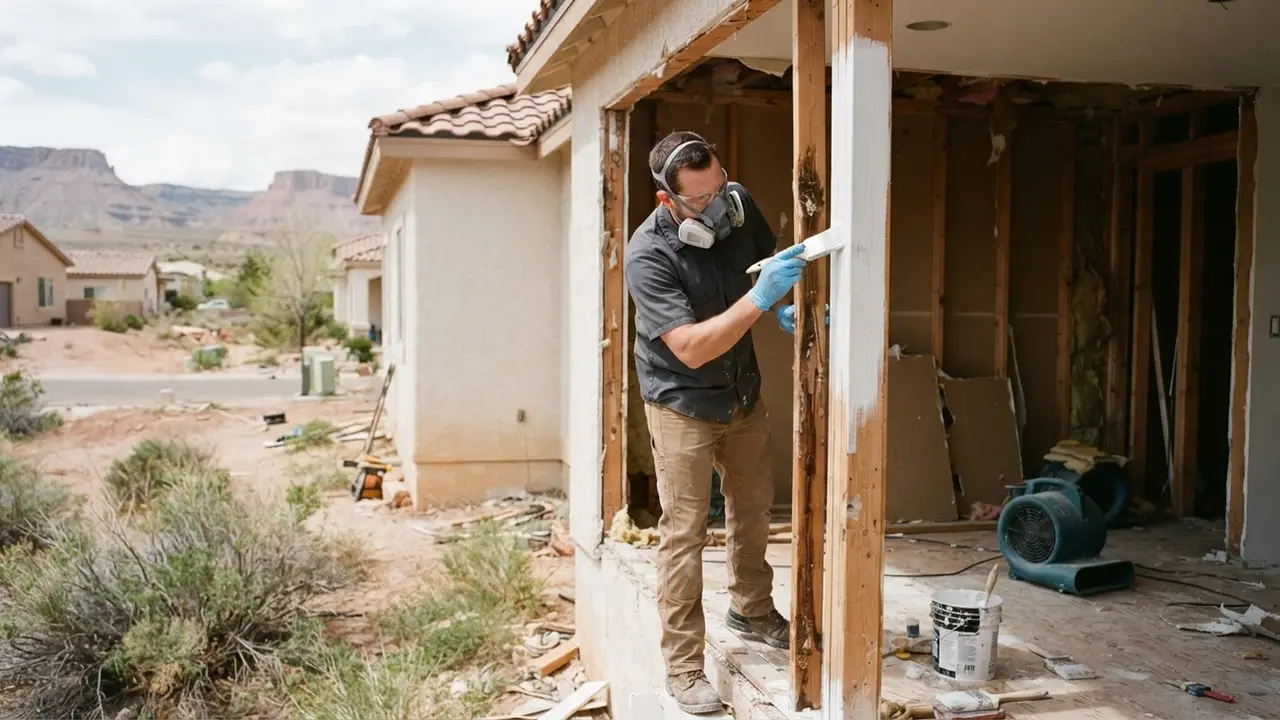
We inspect the leak area and map moisture around the soft section. Damaged board and insulation are removed as needed, and exposed framing is dried before reconstruction. We also check the floor edge and baseboards, where water often collects out of sight. Soft drywall can indicate that the paper facing and gypsum core have absorbed water. Wet insulation behind it can keep the framing damp even after the leak is fixed.
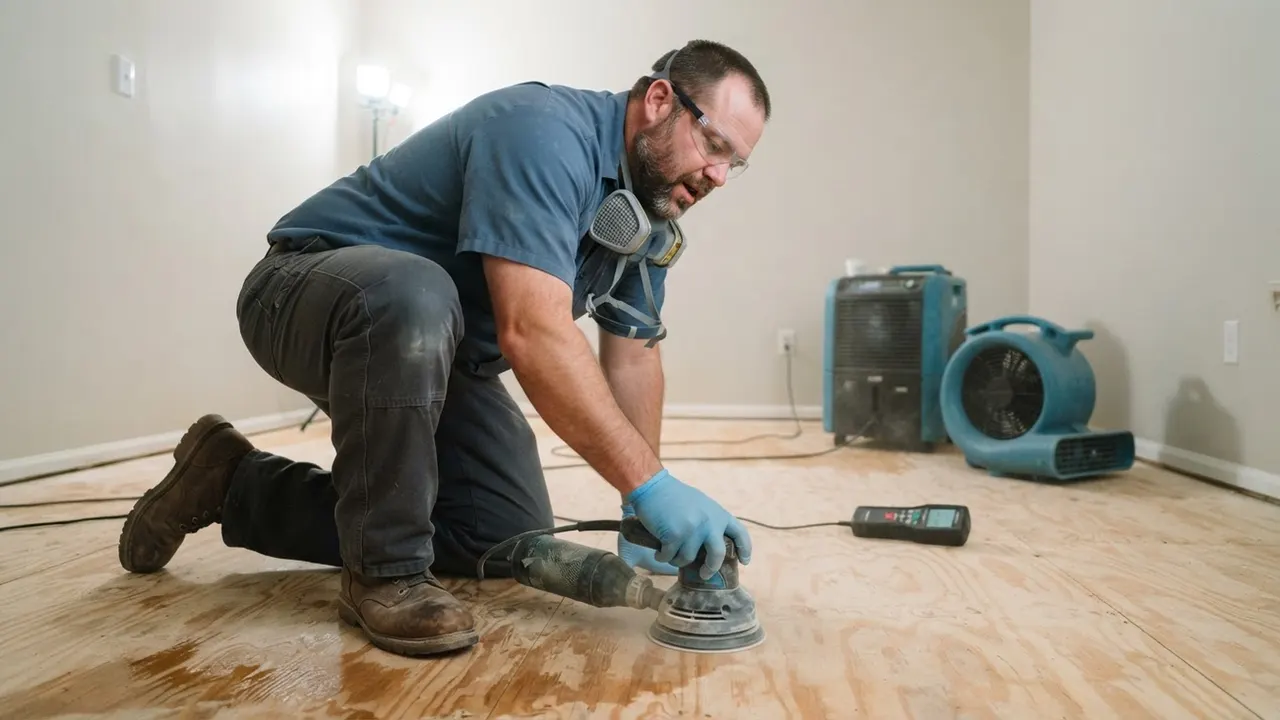
We check the cavity and adjacent materials with targeted access and moisture readings. If damp drywall or insulation remains, we remove it and dry the assembly before rebuilding. When visible mold growth is present, we address affected materials as part of the cleanup rather than sealing them behind new board. Odor can linger when moisture remains in a wall cavity or porous material. Painting over the surface can hide the stain without addressing the damp source.
We verify the wall is dry and stable, then correct loose board, tape, or compound as needed. Our finishing process uses feathered joint compound and sanding between coats to reduce ridges. We prepare the surface for primer so the final paint has a consistent base. A hard seam or raised joint becomes obvious under side lighting and fresh paint. If the board was installed before drying, the repair may also deteriorate again.
A ceiling ring or bubbling paint can mark only the edge of the wet area. We compare moisture readings across the wall, ceiling, and adjoining materials, then use targeted access to check what is behind the board. That helps us avoid closing a damp cavity or cutting out more drywall than the damage requires.
Soft, swollen, crumbling, or contaminated drywall is not a sound base for a patch. We cut back to stable edges, remove wet insulation where needed, and protect nearby flooring and furnishings. For drywall replacement Mesquite NV customers need after a major leak, we match board thickness and installation details to the existing assembly.
Closing the wall too soon can trap moisture and lead to a musty odor or mold growth. We use measured readings to guide drying and recheck the cavity before new board goes in. Air movers and a dehumidifier support controlled drying; the equipment stays in place until the readings show the material has reached the project target.
A stable repair still needs careful taping, joint compound, sanding, and surface preparation. We feather the repair into the surrounding wall so the patch does not leave a hard ridge under paint. You receive a surface ready for primer and finish paint, with the repair area clean and debris removed.
Clear records you can keep and share.
Readings and affected areas documented.
Materials removed and work completed noted.
Drywall repaired and prepared for paint.
A wall can feel dry while insulation or framing remains damp. We check the materials that will be enclosed, not just the visible paint and drywall face.
Moisture measurements show whether drying is progressing. We compare affected materials with nearby areas before rebuilding.
Water can move along framing before appearing on a wall or ceiling. The visible mark may not show the full wet area.
Firm, clean drywall may be retained after drying checks. Swollen, soft, or contaminated board needs removal and replacement.
Outside these neighborhoods? Call and ask about service in your area. (833) 546-4116
A small drywall patch often varies while larger replacement and drying jobs can vary. Price depends on the wet area, insulation removal, access, drying time, and finish requirements. We inspect the wall and identify the source before pricing the repair. Drywall water damage cleanup Mesquite NV may be a separate part of a job when standing water or contaminated materials are present.
Replace drywall when it is swollen, soft, crumbling, contaminated, or unable to dry to a suitable level. A firm, clean section with limited exposure may be dried and retained after readings confirm the cavity is dry. We check the board, insulation, and framing rather than relying on the stain alone. A burst pipe or sewage backup calls for a different removal decision than a brief, clean appliance leak.
We find the water source, map moisture, remove unsalvageable board, dry the cavity, then install and finish replacement drywall. A small repair can take one to two workdays after drying; drying itself often takes 24 to 72 hours. Our process includes protecting the room, checking insulation and framing, and verifying moisture before closure. We then tape, apply compound, sand, and prepare the surface for paint.
Home insurance often covers sudden, accidental water damage, but coverage depends on your policy, the cause, and maintenance history. Gradual leaks and neglected repairs may be treated differently from a sudden pipe break. We document visible damage, affected materials, and moisture readings, and can provide repair details for your claim discussion. Your insurer makes the coverage decision, so review the policy and report the loss promptly.
A wet wall needs a moisture check before it needs fresh paint. Call Mesquite Water Damage Company at (833) 546-4116 to discuss the leak and arrange drywall water damage repair and replacement Mesquite NV. We document the affected area and explain the next step.
Call (833) 546-4116 to explain what happened and where water is collecting. We take calls for water damage requests and connect you with an independent company that can discuss service details directly. If the leak is active, shut off the source when safe and tell us whether the water reached electrical equipment, flooring, or more than one room.