Moisture Map
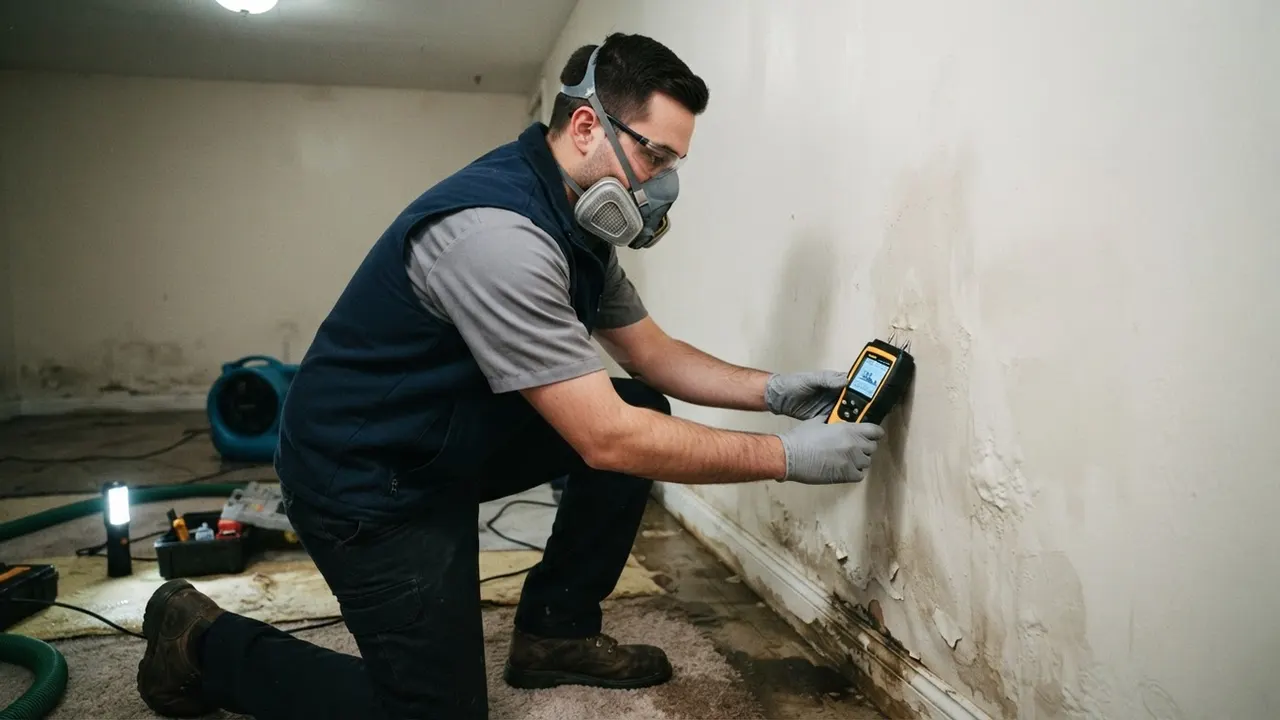
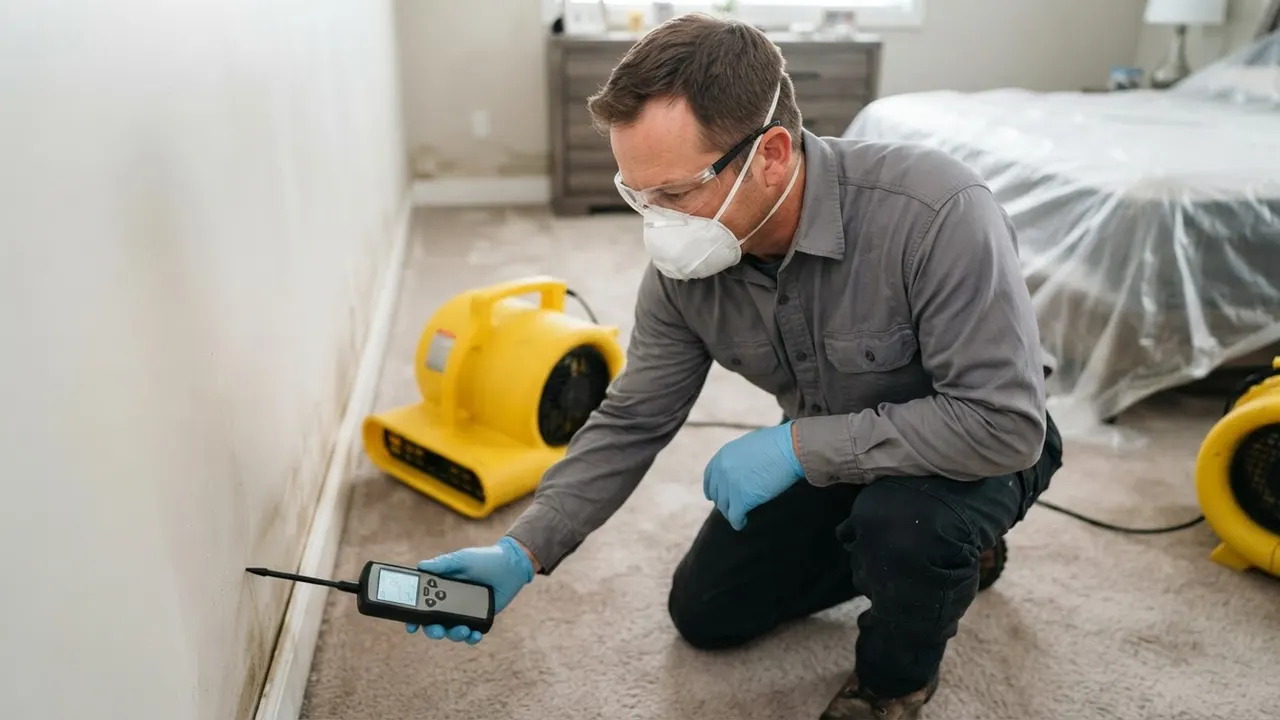
Recorded checks across affected floor and nearby materials.
Hardwood floor drying and restoration Mesquite NV helps homeowners and property managers respond to leaks before moisture spreads beneath planks. We extract standing water, measure the flooring and subfloor, then choose a drying plan that fits the wood and the source. If your boards are cupping after a burst pipe, appliance leak, or roof leak, call Mesquite Water Damage Company at (833) 546-4116.
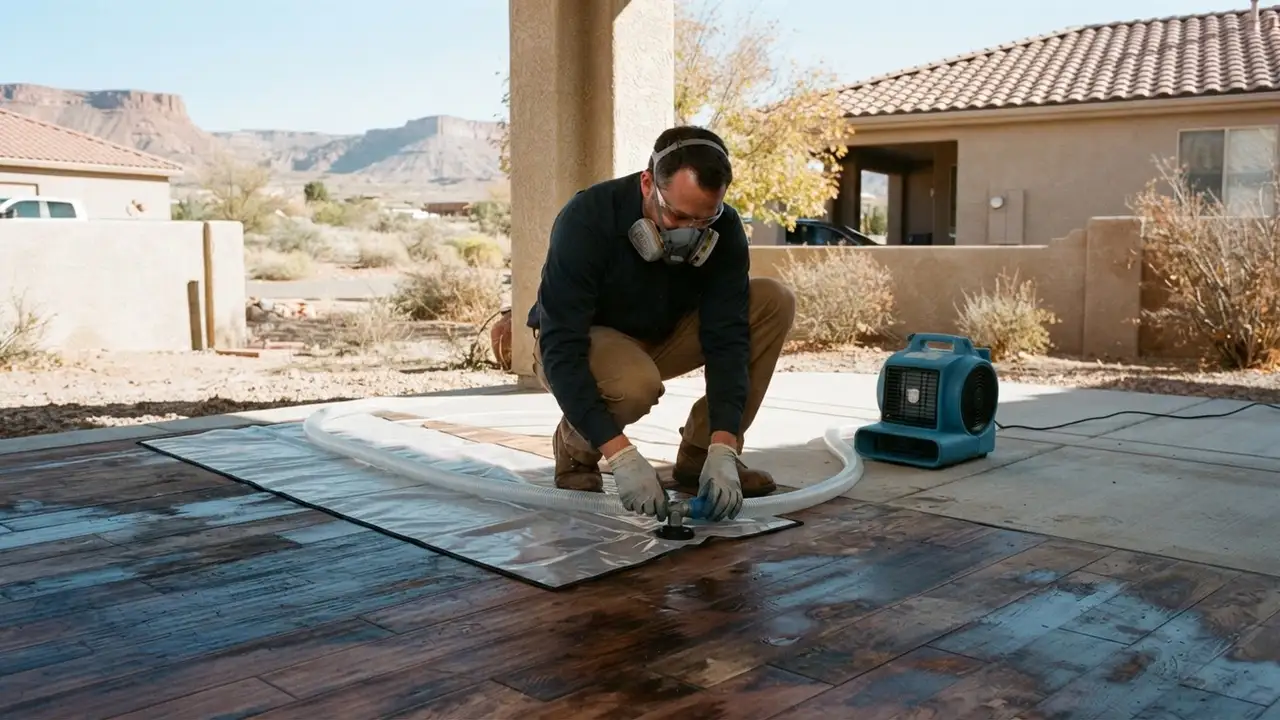
Hardwood floor drying and restoration covers inspection, water removal, moisture monitoring, and a drying plan for affected flooring and connected materials. We explain which floor repairs fit the observed condition. Board replacement, sanding, refinishing, plumbing repairs, or work on unrelated rooms are separate tasks when needed; we identify those needs rather than treating them as automatic parts of drying.
A leak can leave hardwood swollen even after you mop the visible water. We check the floor, nearby baseboards, and accessible subfloor before choosing equipment and repair steps.
Water under commercial hardwood can affect customers, staff, and adjoining rooms. We map the wet area and plan equipment placement around access and the property's operating needs.
Hardwood floor drying and restoration Mesquite NV is a water-damage service that removes surface water, dries affected flooring and subfloors, and restores salvageable wood after a leak or flood. We inspect board movement, finish condition, and moisture below the floor before setting equipment. A water extraction unit removes pooled water; moisture readings then guide air movement and dehumidification. Drying is monitored rather than guessed. Once materials reach an appropriate dry condition, we discuss repairs such as board replacement, sanding, or refinishing when needed.
Mesquite homes can experience hardwood damage from a burst pipe, slab leak, appliance leak, roof leak, or storm flooding. Dry indoor air does not mean a wet subfloor is dry, and moisture trapped under hardwood flooring can lead to cupping, gaps, or musty odor. Our hardwood floor restoration Mesquite NV response starts by locating the wet boundary and checking adjacent baseboards and drywall. For hardwood floor water damage cleanup Mesquite NV, we coordinate extraction and drying around the specific floor construction and the water source.
Measure below the surface, dry the assembly, then decide which boards need repair.
Hardwood floor drying and restoration Mesquite NV follows a measured sequence, from stopping the water source to verifying dry conditions. We explain what we find, protect the work area, and keep you updated as readings change. The drying period depends on the floor assembly and how long water was present.
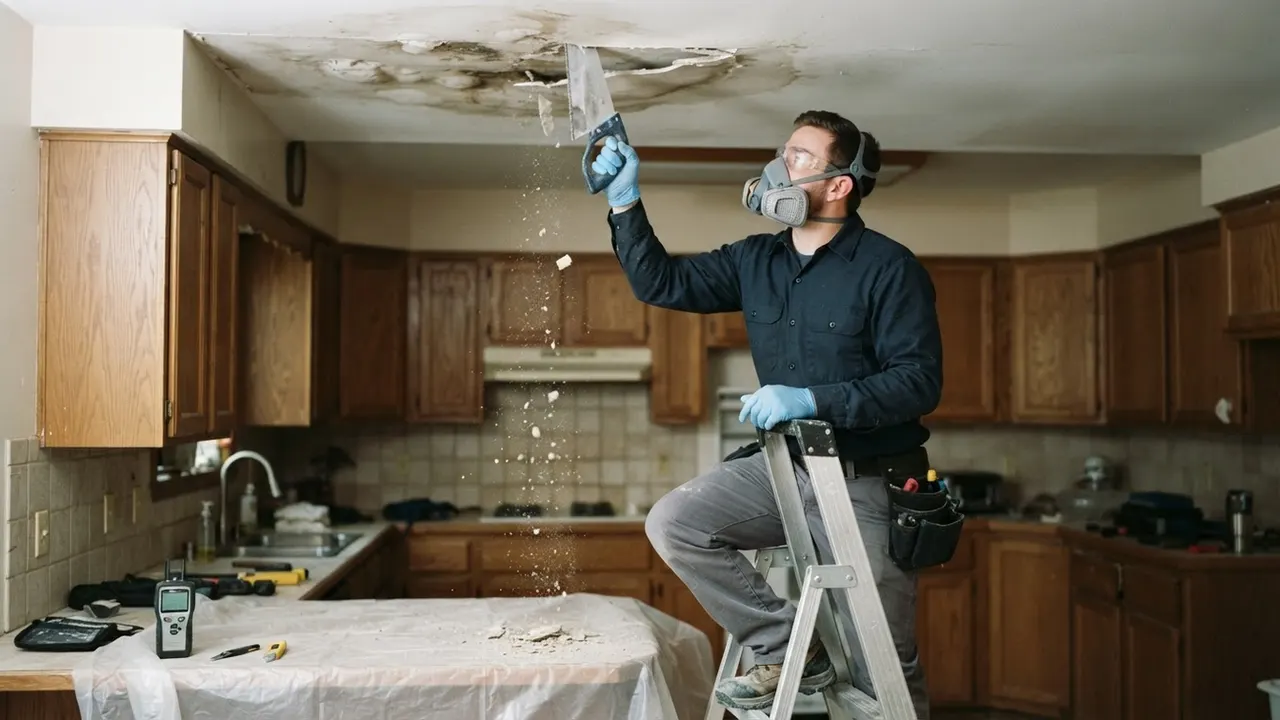
We start by finding the water source and mapping visible and hidden wet areas. A moisture meter checks floorboards, baseboards, and accessible subfloor points; thermal imaging can help identify temperature patterns that warrant closer testing. You see which areas are affected and what materials need monitoring. The initial inspection usually takes about 30 to 90 minutes, depending on room size and access.
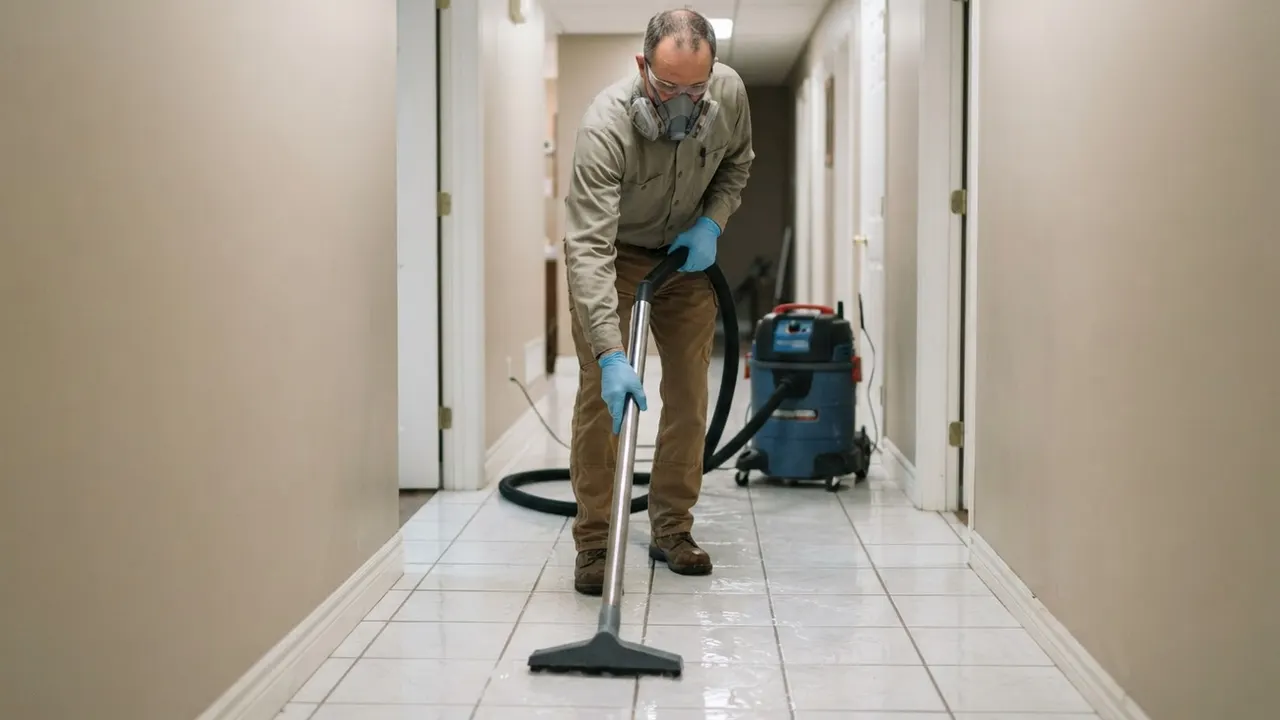
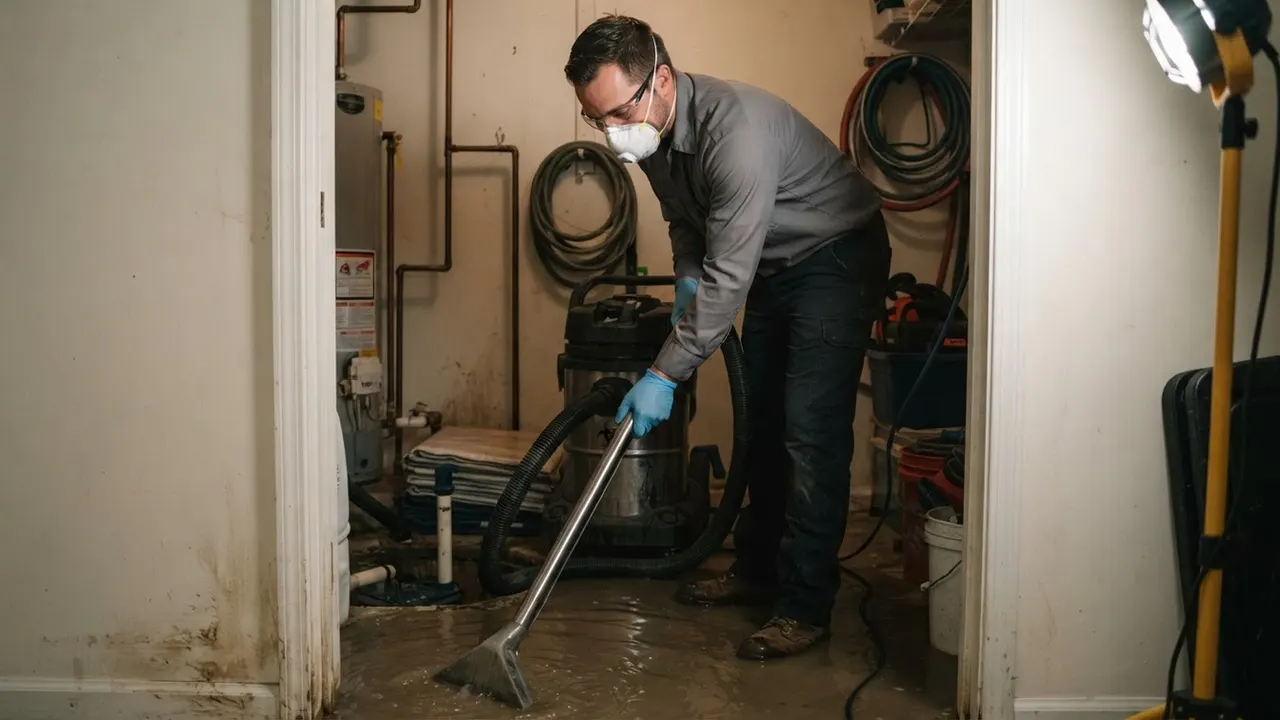
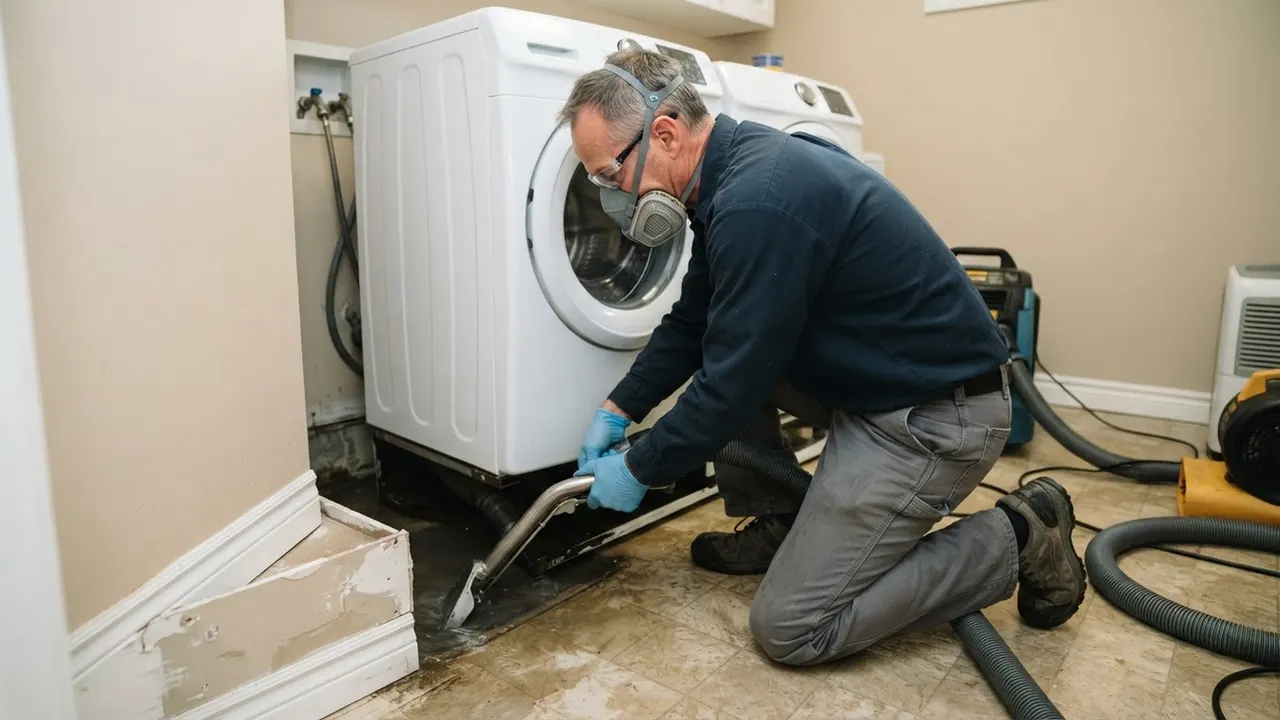
Our team removes pooled water with extraction equipment and towels or controlled vacuuming where appropriate. We avoid aggressive scraping or high heat that could damage the finish. If water entered through an appliance leak or burst pipe, we coordinate the drying work with source control so fresh water does not keep reaching the floor.
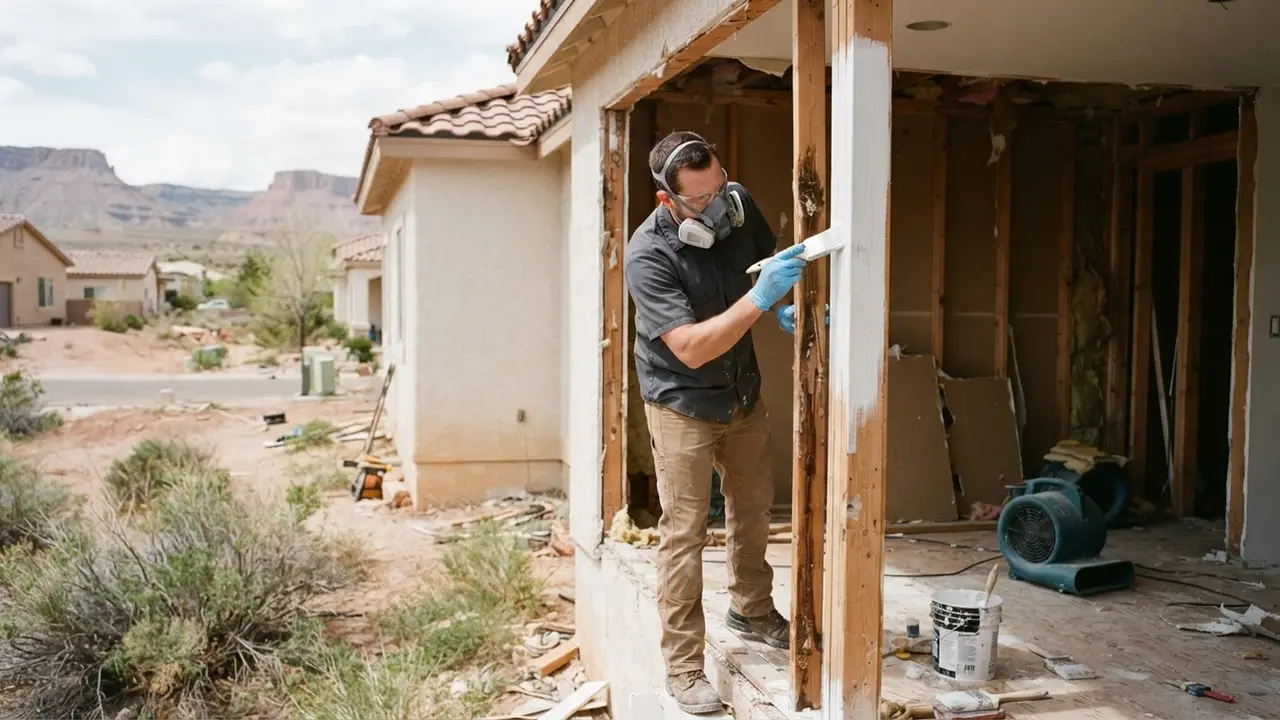
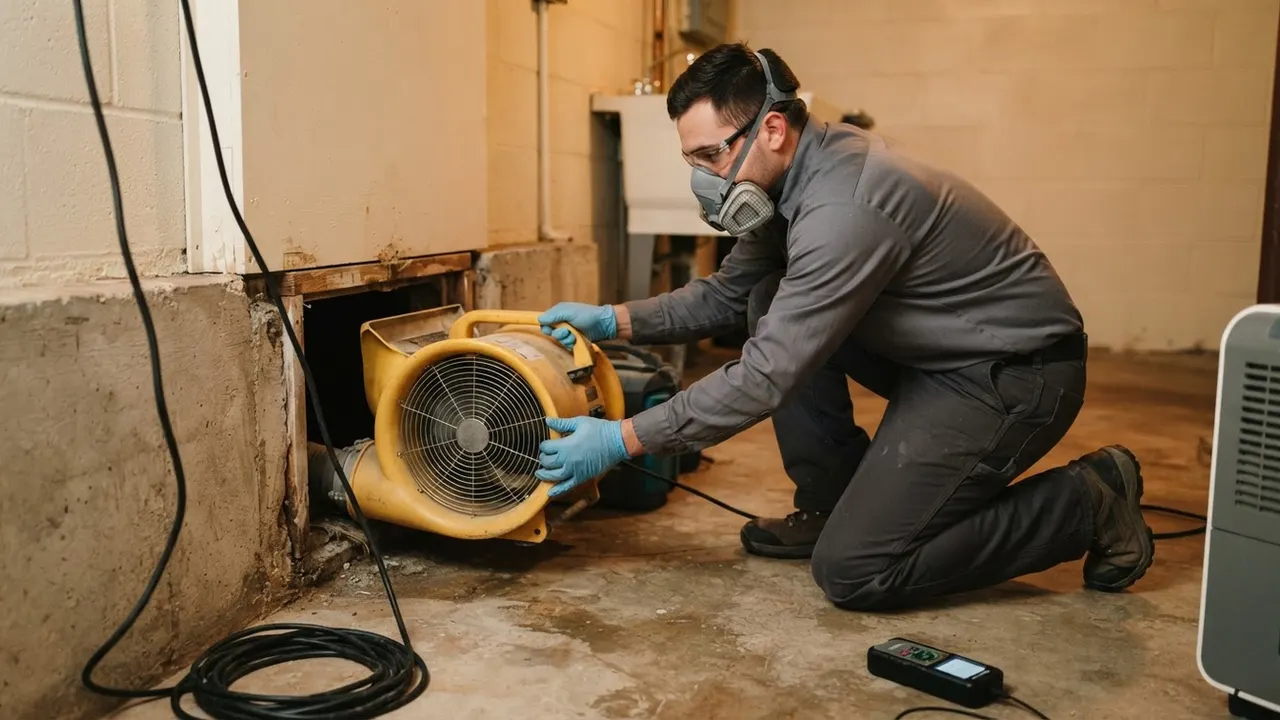
We position air movers and a dehumidifier to move moisture out of the floor assembly without creating unnecessary turbulence. Equipment placement depends on room layout, floor construction, and readings. We also monitor room conditions with a hygrometer, then adjust airflow as the wood and surrounding materials respond.
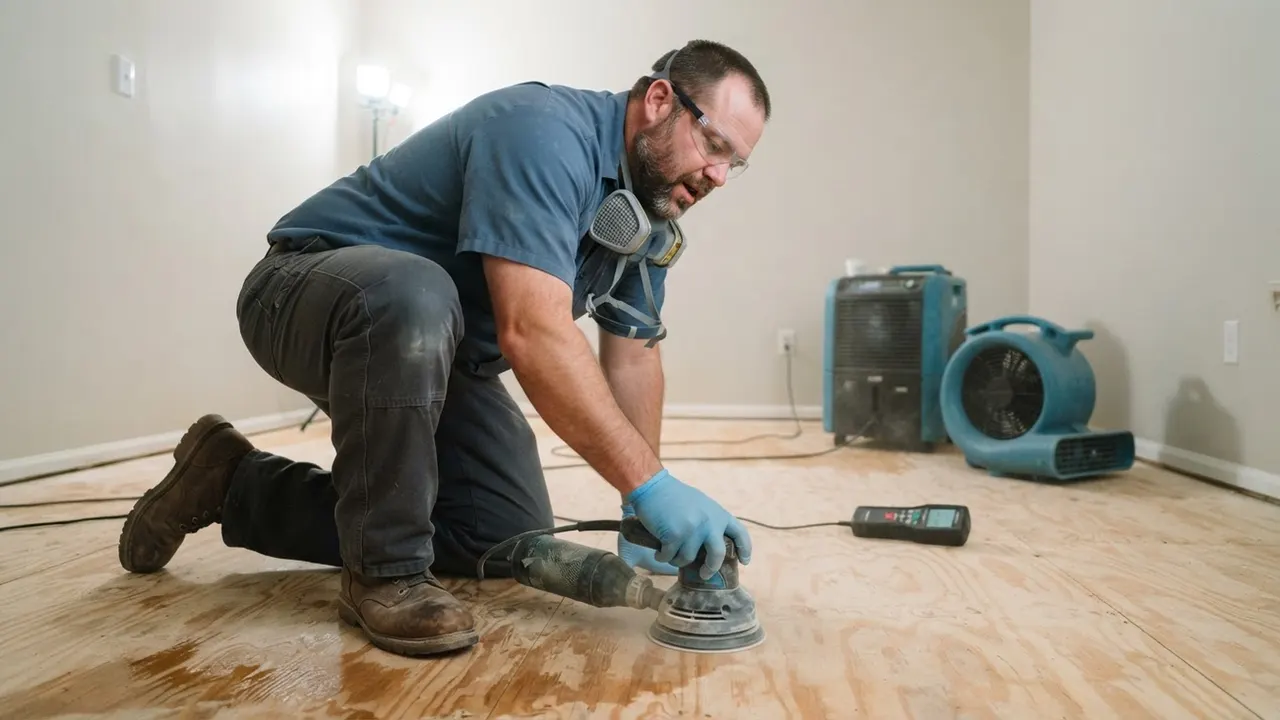
We return to take repeat readings and compare them with the initial moisture map. Hardwood dries more slowly than many surface materials, so the setup can run for several days; 3 to 7 days is a common planning range, not a promise. We adjust equipment when readings plateau or when a concealed wet area becomes accessible.
After drying checks, we review the condition of the finish, board edges, and subfloor with you. If the floor is stable, we discuss cleaning and monitoring; if boards are permanently distorted, we identify repair or replacement needs. You receive the observed readings and a clear sequence for any remaining restoration work.
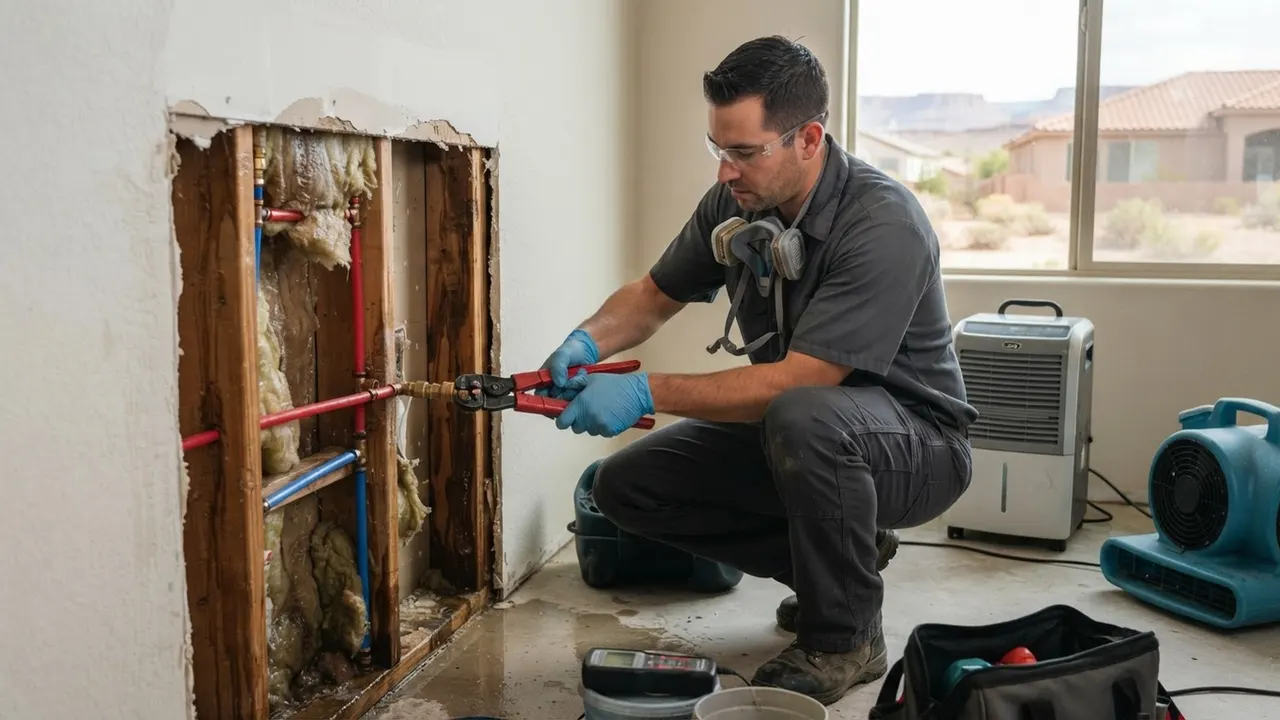
We check comparative moisture at hardwood, baseboards, and accessible subfloor points. Repeated readings help show whether the floor is drying or a concealed source continues to add moisture.
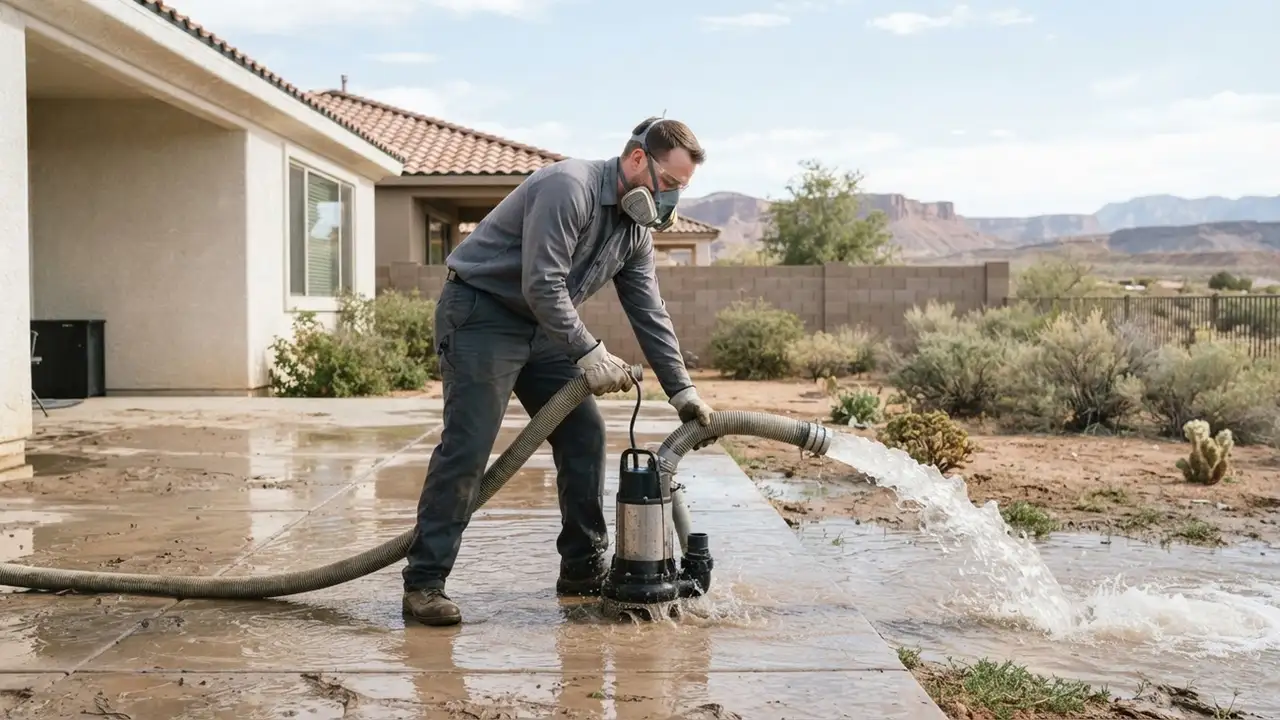
We use temperature patterns to help locate areas that need closer inspection. Imaging does not replace moisture readings, but it can guide checks around walls, cabinets, and floor transitions.
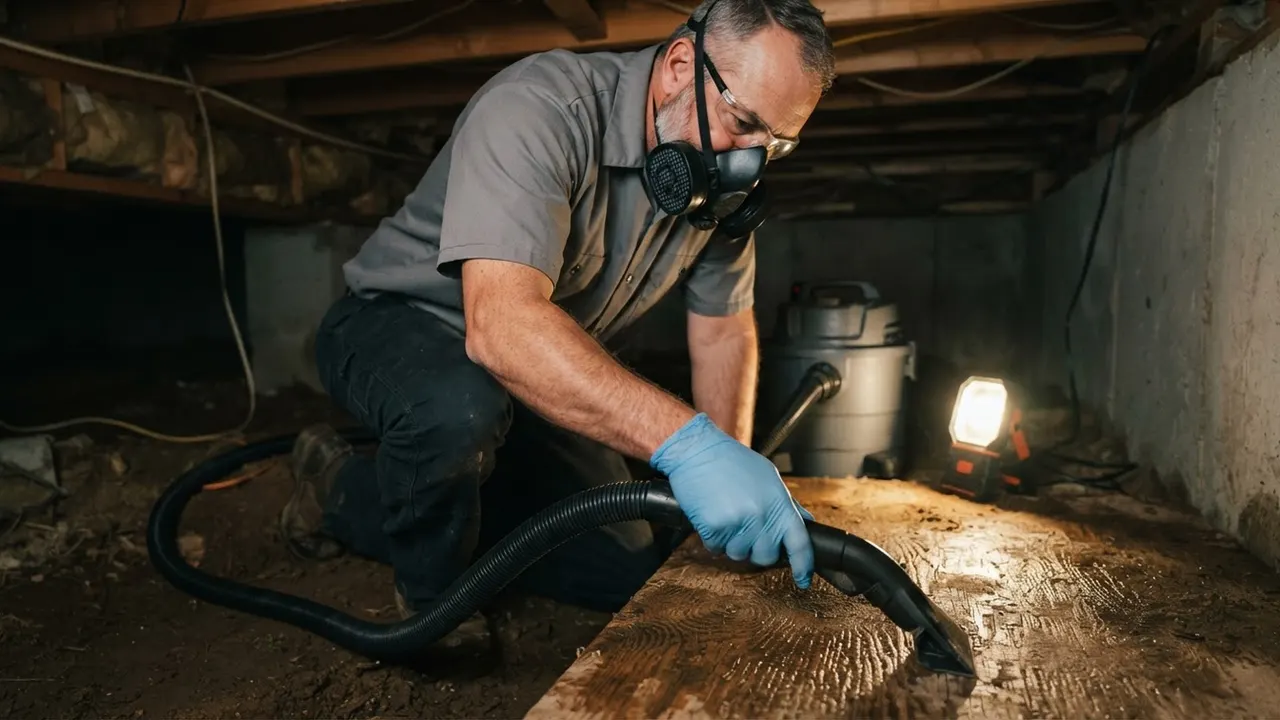
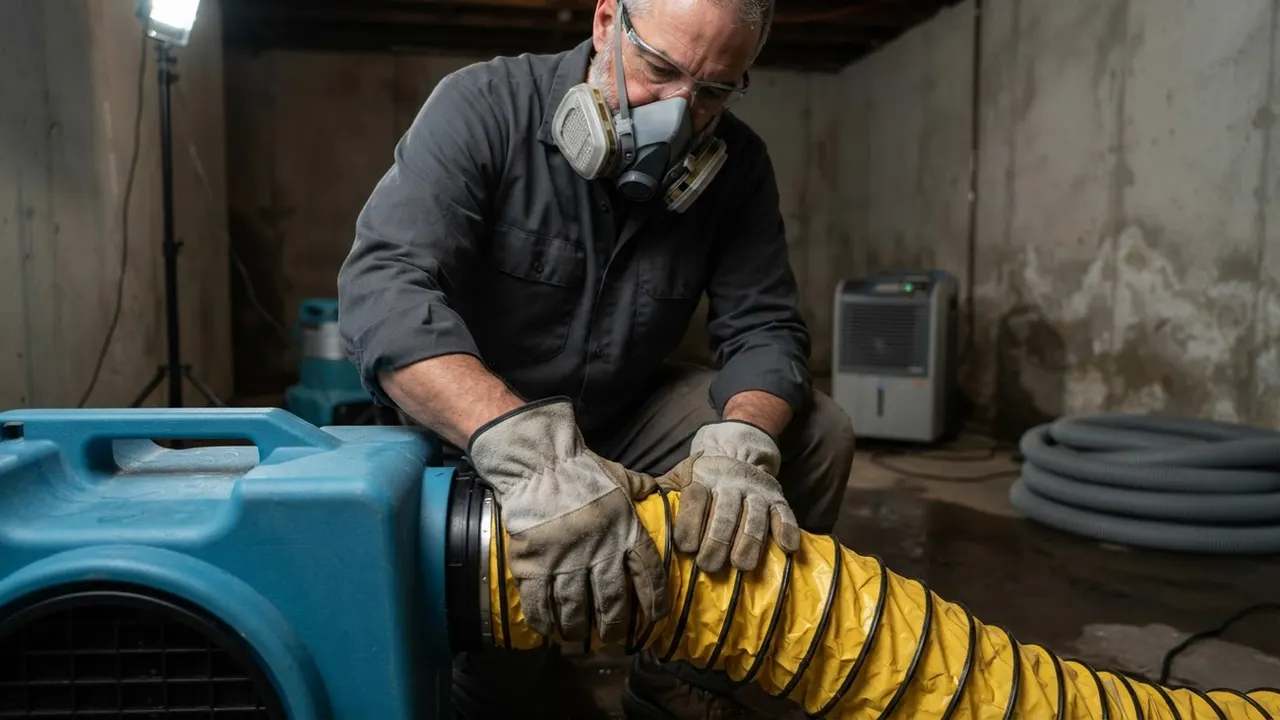
An air mover directs controlled airflow across affected surfaces and into selected floor edges. Placement is adjusted to the room and material so airflow supports drying without unnecessary disturbance.
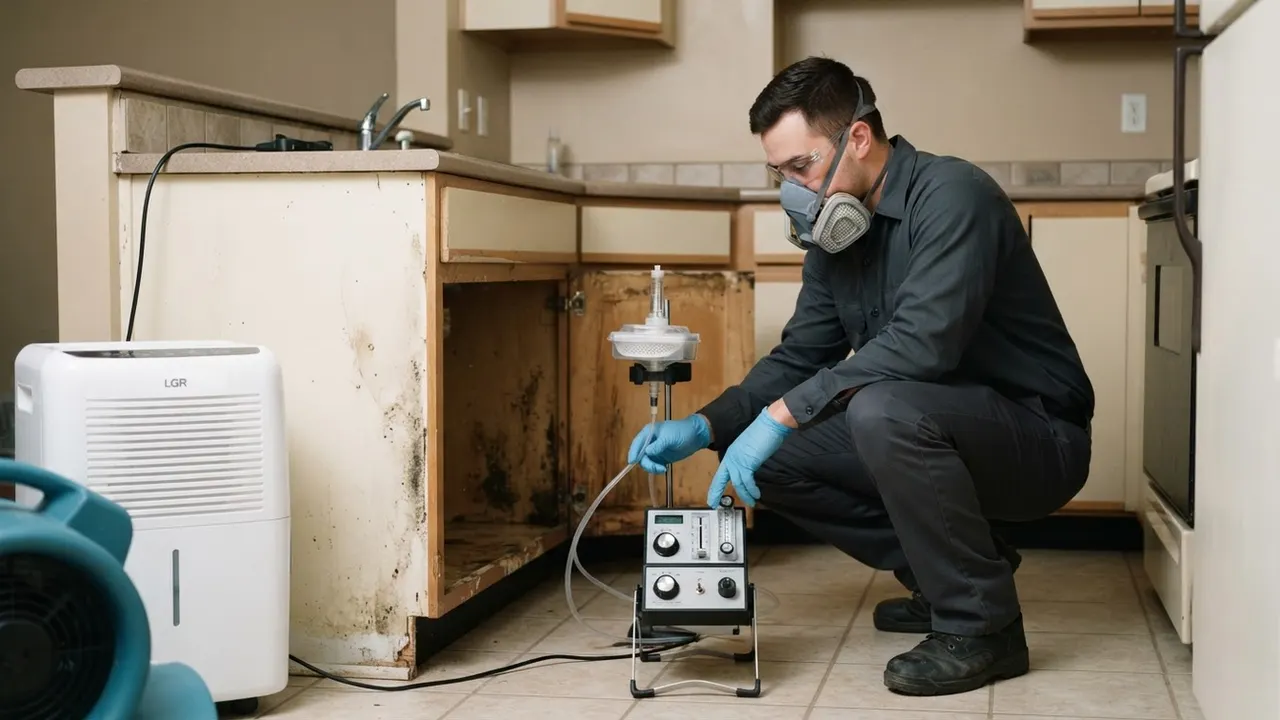
A dehumidifier removes moisture from the room air as water leaves the floor assembly. We monitor room conditions and equipment performance while tracking changes in the hardwood and surrounding materials.
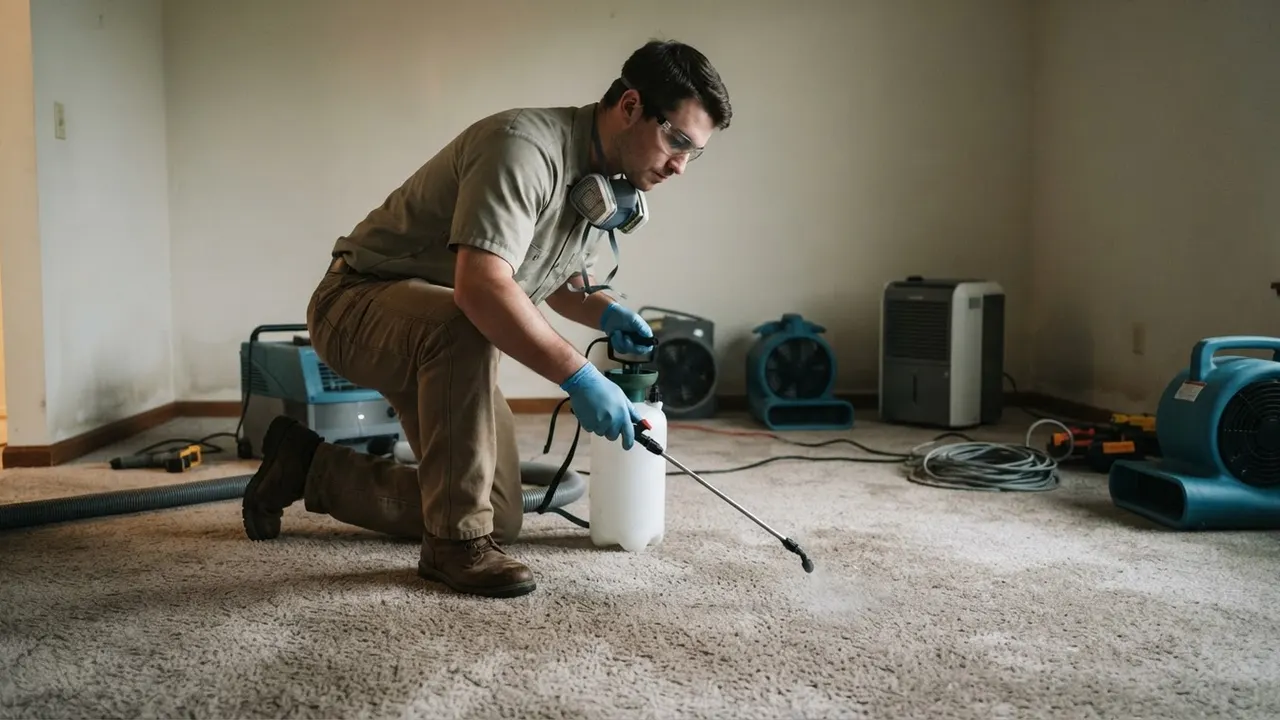
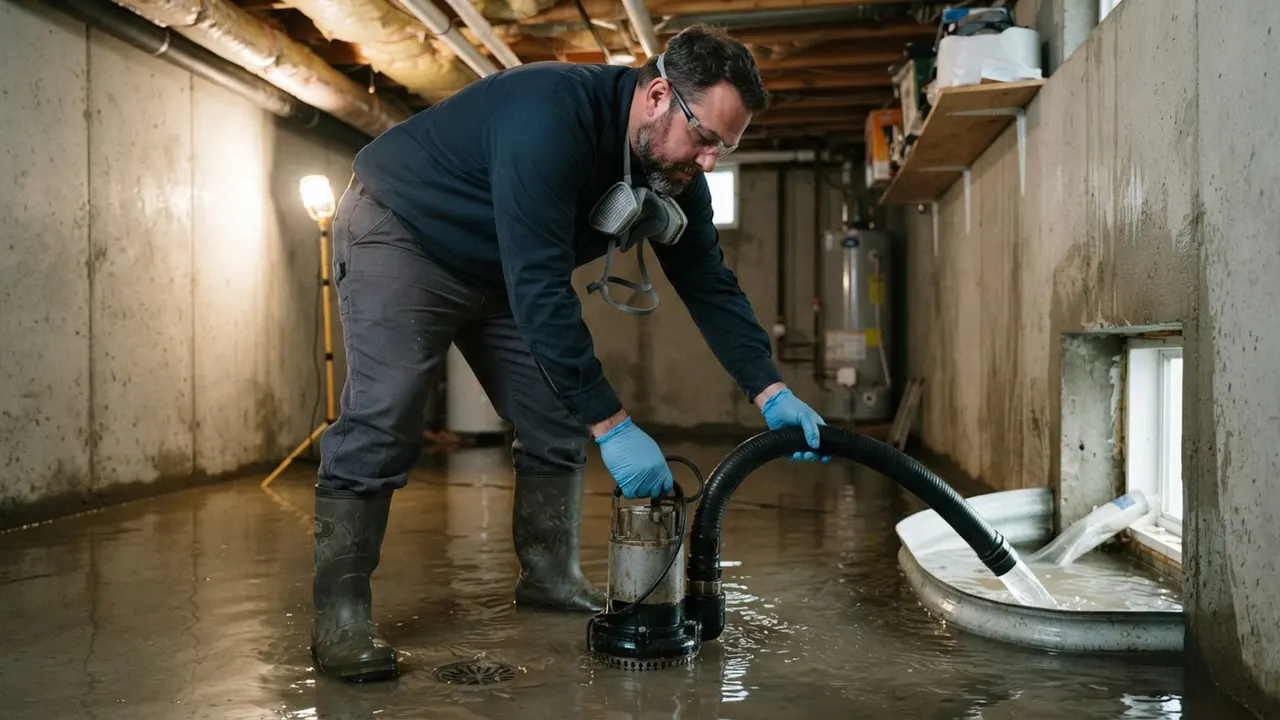
This equipment removes standing water from accessible floor surfaces and edges before the drying phase. Early extraction reduces the amount of liquid left to evaporate from the wood and subfloor.
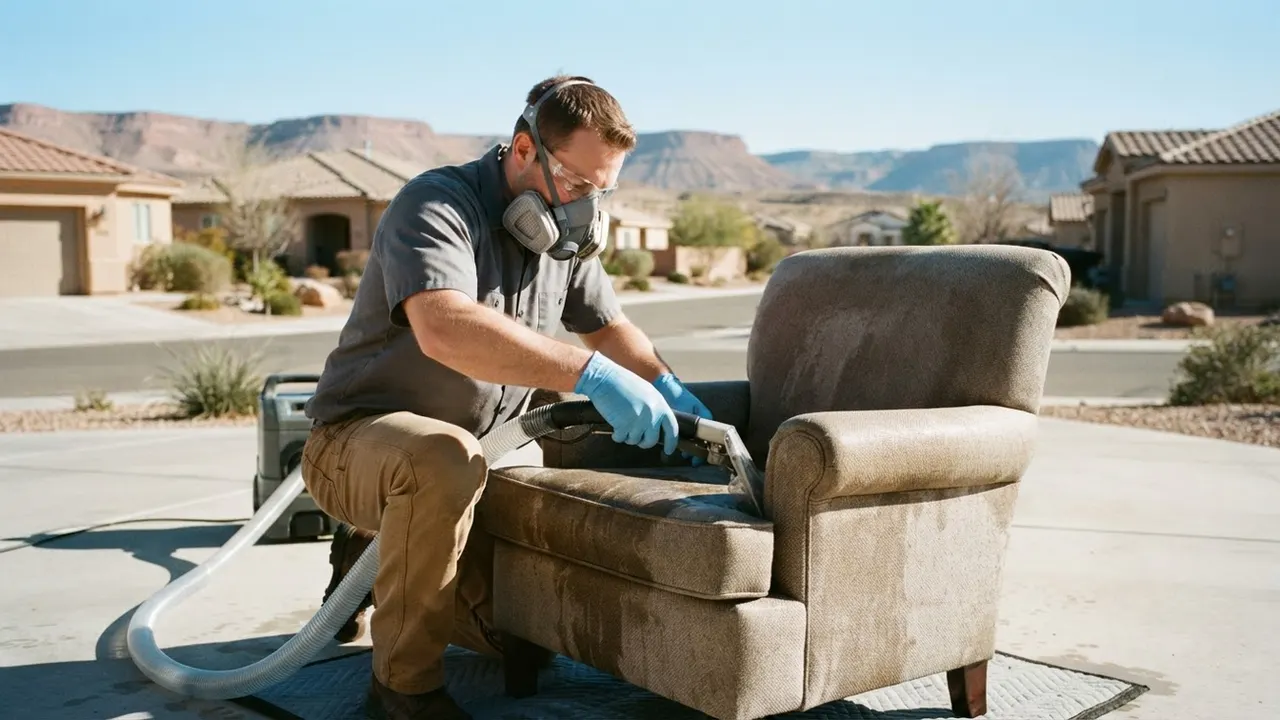
We record readings across affected flooring and compare them with areas that were not exposed. The map helps define the wet boundary and gives later checks a starting reference. If moisture appears beyond the visible stain or puddle, we extend inspection to nearby transitions and materials.
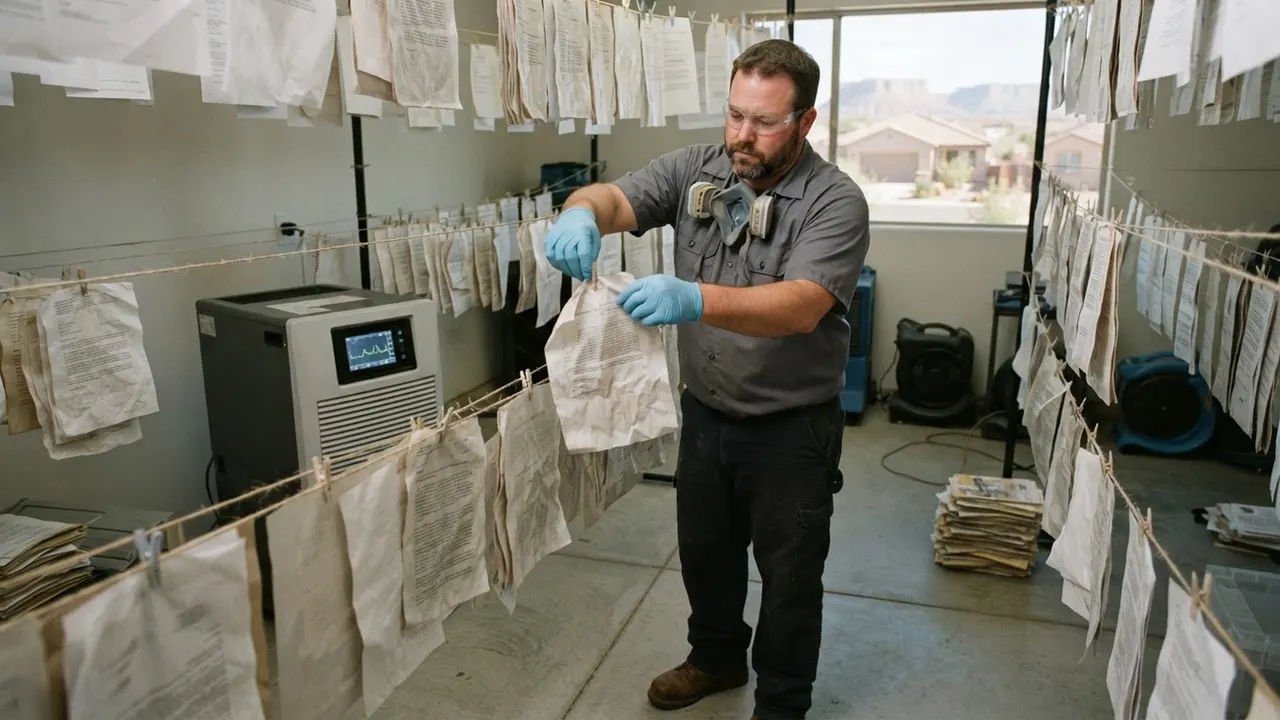
We combine air movement with dehumidification to support evaporation while monitoring the room. Equipment placement reflects the floor layout, material condition, and access. We adjust the setup when readings change rather than relying on one fixed arrangement throughout the job.
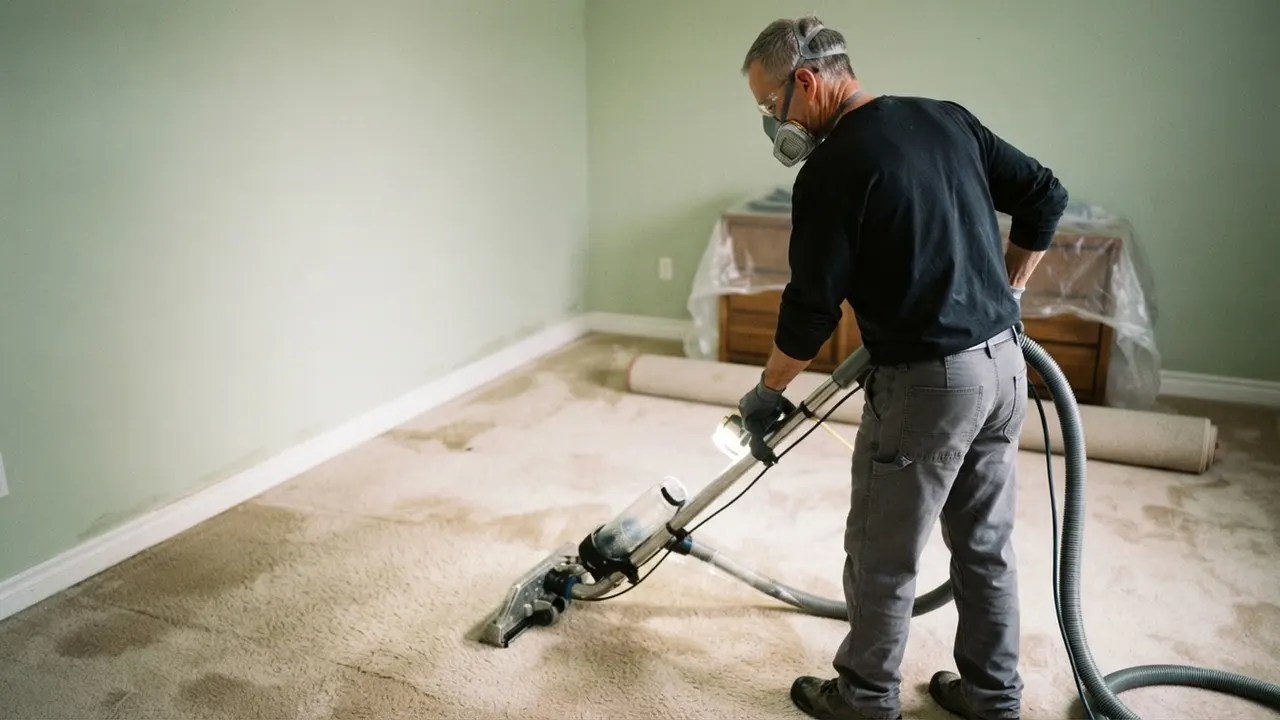
Drying starts after active water entry is controlled. A burst pipe, roof opening, or appliance leak can defeat equipment if it keeps adding moisture. We coordinate source control with extraction, then track the floor and connected materials until conditions support the next repair decision.
We stop active water entry, extract visible water, and map the laundry and hallway floor. The team checks door transitions and baseboards where moisture often collects, then positions drying equipment to reach the affected assembly without blocking every route through the home. You get a defined wet-area boundary, documented readings, and a drying plan that accounts for both rooms instead of only the spot where water first appeared.
We inspect the floor pattern and nearby walls, then coordinate drying with the leak response. Moisture checks help distinguish the visible patch from any wider migration under the floor. We protect unaffected areas and explain what can be monitored without removing boards. The leak and floor response can proceed together, reducing guesswork about where moisture traveled and which flooring sections need repair.
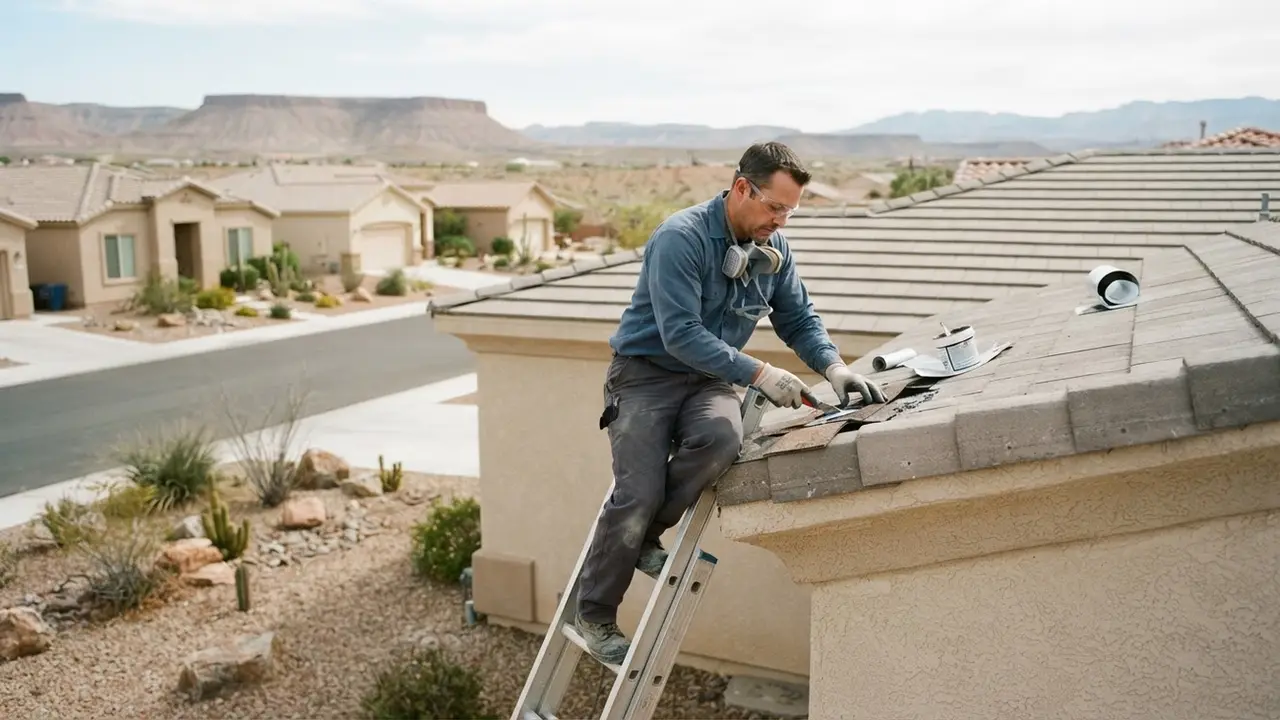
We identify the water path from the ceiling or wall to the floor, remove standing water, and check the doorway and adjacent materials. Once the opening is protected, we dry the floor and inspect nearby drywall and baseboards for retained moisture. You see whether the damage is limited to the room edge or extends into adjoining flooring, and the drying plan addresses the source path.
We verify that the line is no longer leaking, inspect the floor beneath and beside the appliance, and check surrounding cabinet edges. Extraction and measured drying address accessible water; we also assess nearby materials that could hold moisture and contribute to odor. You receive a practical account of what is wet, what can be dried, and whether board or finish repairs should follow after moisture readings improve.
Hardwood floor restoration Mesquite NV requires attention to the water source and the building materials around the floor. Mesquite's hot, dry outdoor air does not prove that water trapped under boards or in plywood has evaporated; indoor humidity and concealed moisture still need measurement. We plan equipment for the affected room, keep air movement controlled, and check adjacent drywall, insulation, and baseboards when water has traveled beyond the floor. For professional hardwood floor restoration in Mesquite, Nevada, the first priority is stopping the leak and documenting the wet area before cosmetic repairs begin. We work across Clark County homes and commercial spaces, including properties with slab-adjacent flooring and mixed hard-surface transitions. A slab leak, plumbing failure, appliance line, or roof leak each creates a different moisture path, so we inspect rather than assume. Our team explains the readings, identifies materials that need attention, and coordinates drying with the repair sequence. Call with the neighborhood, the source if known, and how long the floor has been wet.
A dishwasher line leaked under the cabinets and left a shallow pool across several hardwood boards. The finish looked dull near the toe-kick, and the homeowner could not tell whether water had reached the plywood. Baseboards and the adjoining hallway were also checked because the floor transitions were continuous.
We extracted visible water, set drying equipment, and recorded readings at the cabinet edge, room center, and hallway transition. Over several days, readings moved toward the unaffected floor reference. The inspection identified a contained repair area rather than requiring removal of the full kitchen floor.
Check appliance hoses and connections during routine kitchen cleaning, and respond to drips promptly. Keep cabinet toe-kicks accessible for inspection, and call if boards begin to cup or the finish clouds after a leak.
A pipe leak wet the flooring near a hall wall and left the boards raised at the seams. The visible water had been wiped up, but the baseboard felt damp and the owner noticed a musty odor. The leak source needed attention before the floor could be evaluated.
After the water source was controlled, we checked the hallway, baseboard, and accessible subfloor points. Extraction and dehumidification continued with repeat measurements over a 4-day drying period. The wall edge dried with the floor, and the owner received a clear list of boards that needed finish or repair work.
Watch for new staining, softened baseboards, or recurring odor along the repaired area. Keep indoor plumbing connections visible where possible, and report any renewed dampness before it spreads into adjacent rooms.
Rain entered near a doorway and ran across the hardwood toward the living room. Water reached the threshold and dampened nearby carpet padding, leaving uncertainty about whether the damage stopped at the door. The floor surface was dry to the touch by the time the room was inspected.
We checked the doorway, adjacent carpet edge, and hardwood beyond the visible water path. Extraction removed remaining moisture, and air movement with dehumidification addressed the shared transition. Follow-up readings showed a smaller affected boundary than the initial wet appearance suggested, helping focus repair planning.
Keep the doorway and nearby flooring clear after heavy rain so new water is visible quickly. Check the threshold and carpet edge for dampness, and address exterior entry points before refinishing the hardwood.
Hardwood floor water damage cleanup Mesquite NV addresses more than the puddle you see. Water can move under boards, reach a wall edge, or collect in a subfloor layer while the surface starts to look dry. We locate the affected materials, remove moisture, and explain what needs repair before damage spreads.
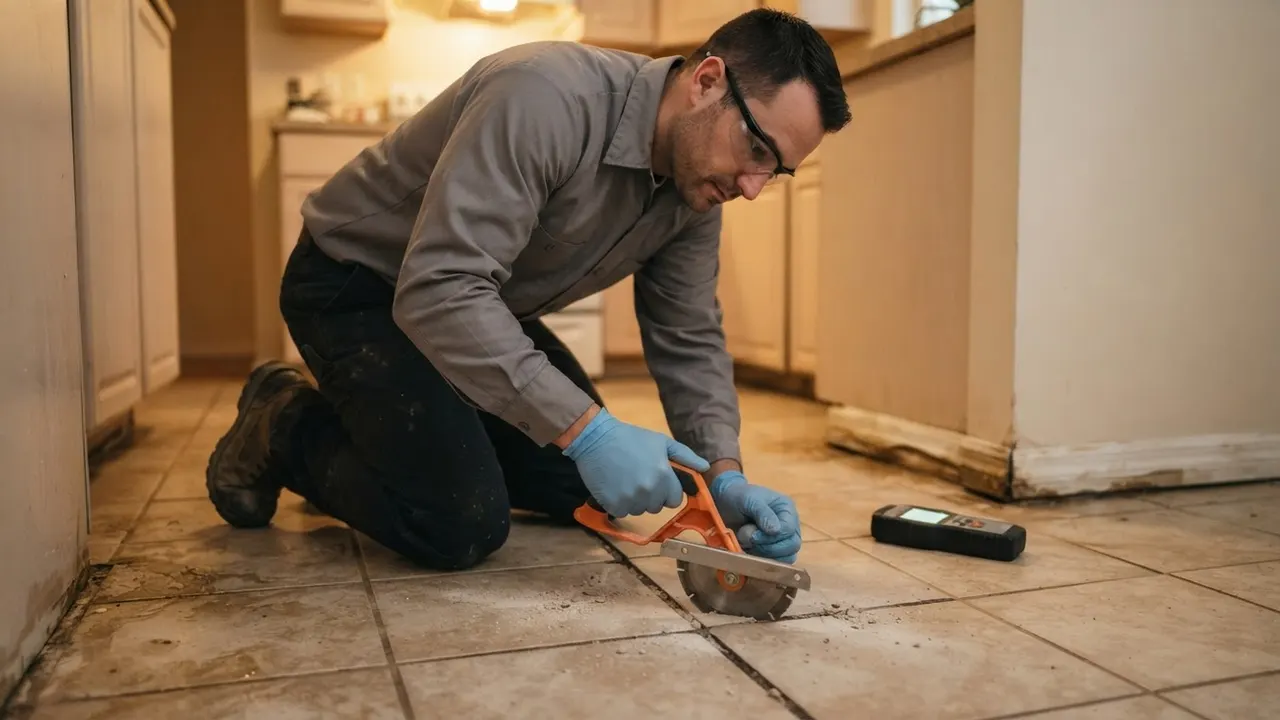
We inspect the leak area and surrounding floor, extract standing water, and take readings at board edges and accessible subfloor points. Controlled airflow and dehumidification address retained moisture. We check the readings again before discussing whether the boards can settle or need replacement. Swollen edges can catch shoes, open seams, and stress the finish. Continued moisture below the boards can worsen distortion even after surface water is gone.
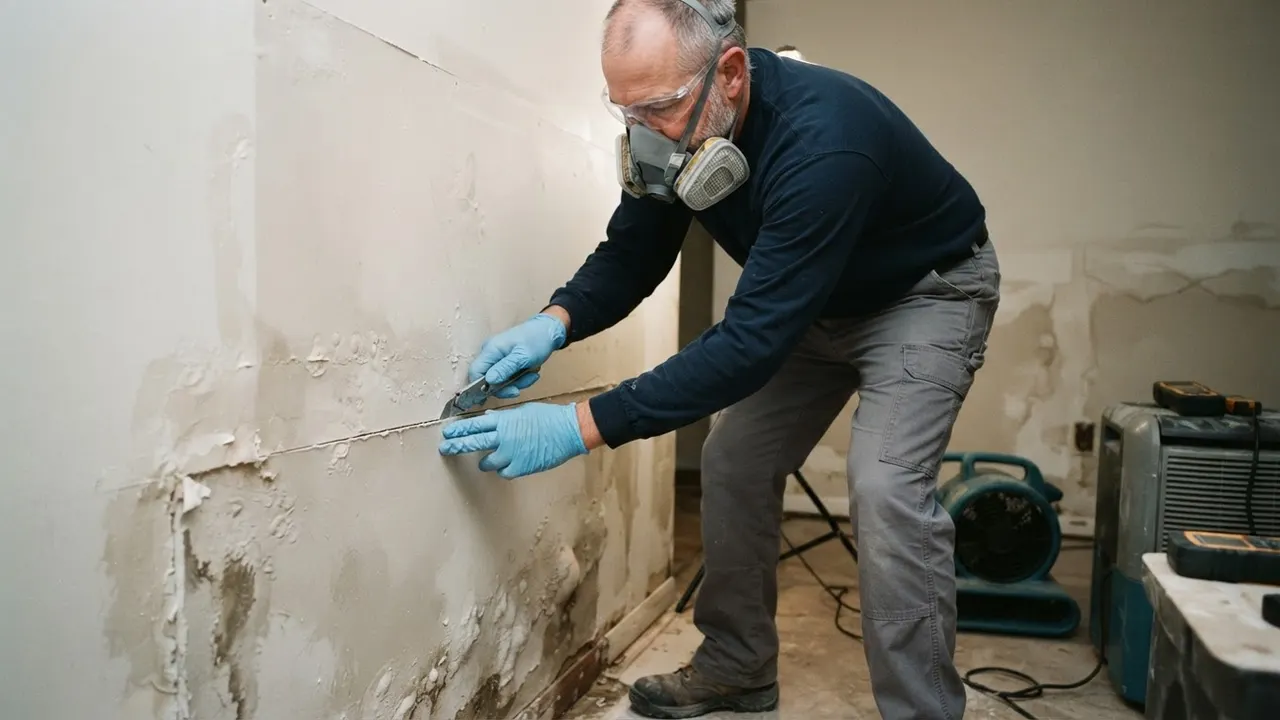
We map moisture across the hardwood and check accessible layers beneath or beside it. Our team uses repeat measurements to follow progress and adjusts the equipment when readings stall. If access is limited, we explain what can be confirmed and what further inspection would clarify. Moisture trapped below the finish can keep boards moving and contribute to odor. Surface appearance alone cannot confirm that the floor assembly has dried.
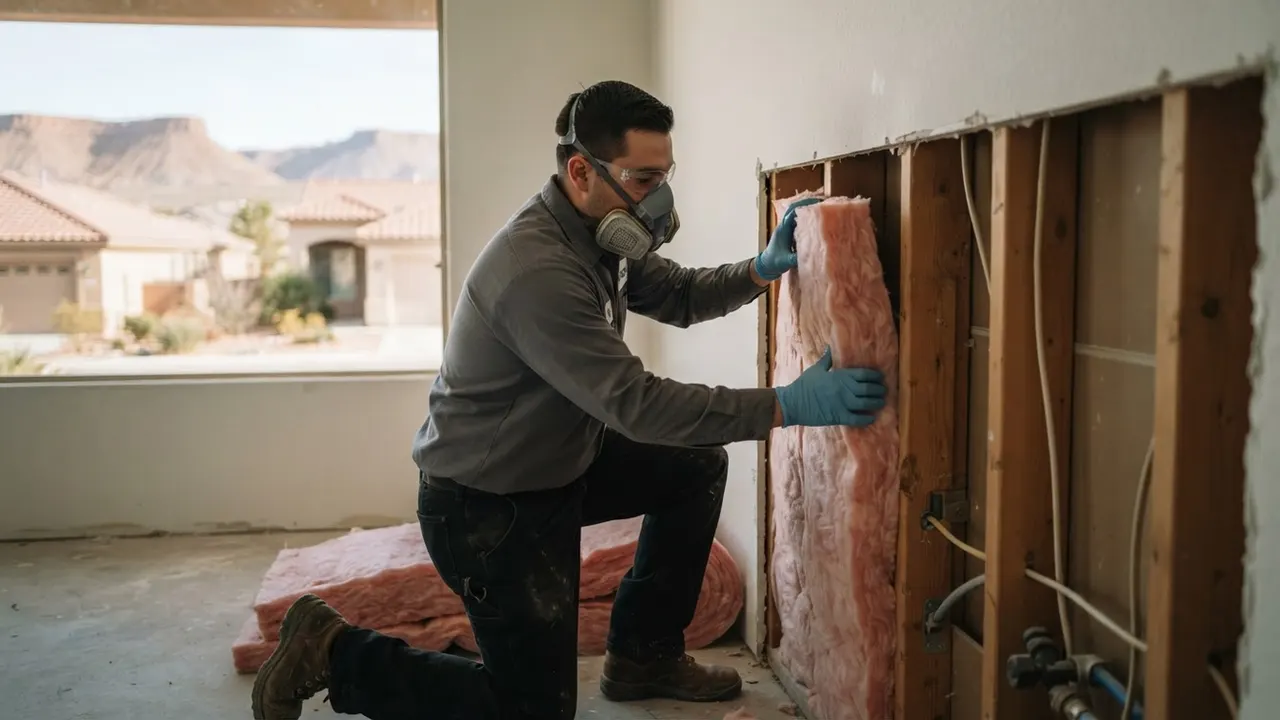
We inspect the full transition, extract water from accessible carpet and floor edges, and check nearby drywall and baseboards. Drying addresses connected materials rather than stopping at the room's visible hardwood. We document affected areas and coordinate additional material repair where needed. Wet edges can transfer moisture back into the wood and leave a musty odor. Carpet padding may hold water long after the visible floor has been wiped.
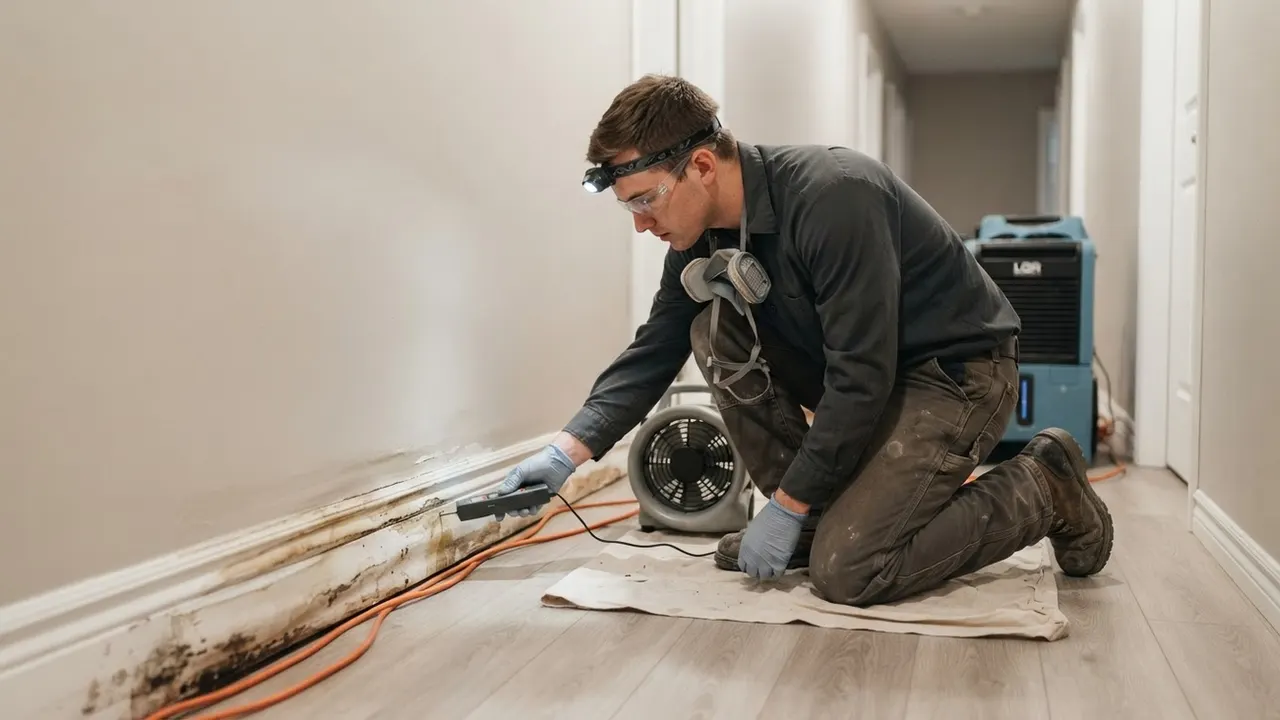
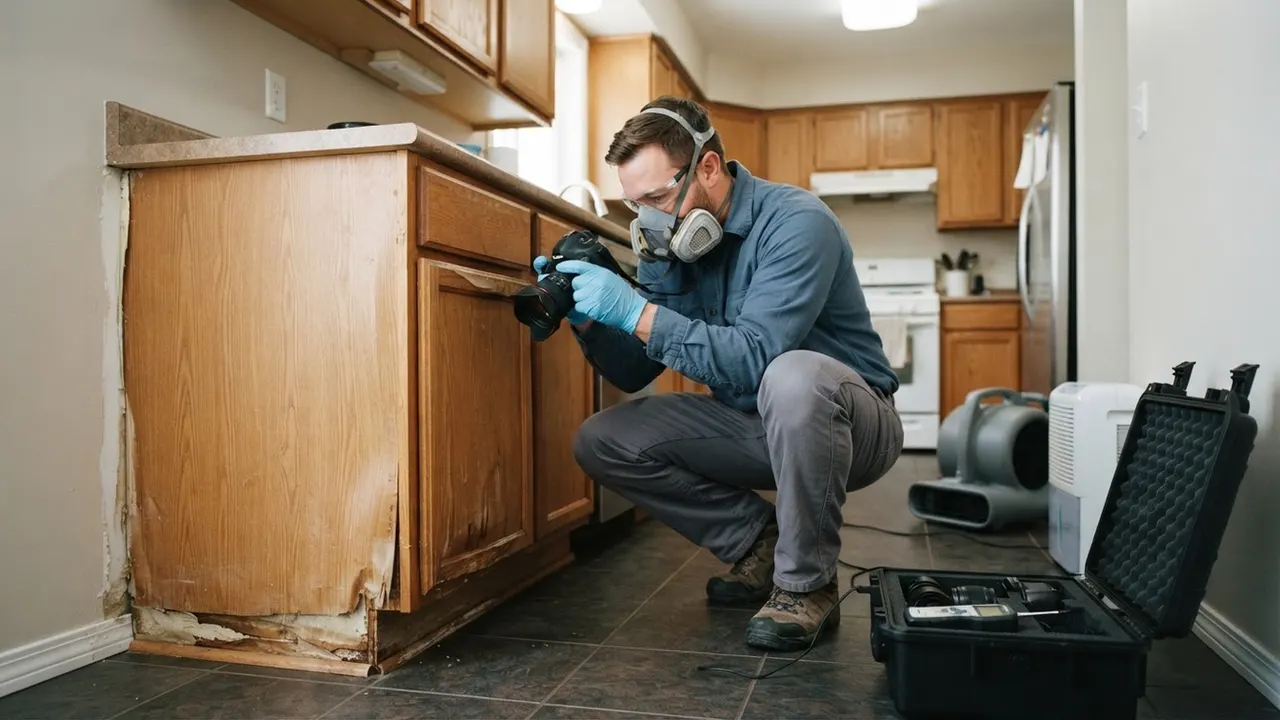
We first control the appliance leak and measure the floor's moisture condition. Drying comes before cosmetic work, allowing the wood to stabilize as readings change. Once the floor is dry, we explain whether cleaning, board repair, or refinishing is the practical next step. A cloudy finish can signal water beneath the coating or prolonged surface exposure. Sanding too soon can remove finish before the wood is stable.
Standing water is removed before it continues soaking board edges and seams. We track moisture at multiple points instead of relying on appearance alone. For hardwood floor drying Mesquite, early extraction and controlled airflow help reduce the conditions that cause cupping, crowning, and open joints.
A dry-looking surface can hide water in plywood, underlayment, or the space near a slab. We check the floor assembly and nearby materials, then compare readings during the drying period. That helps you understand whether the problem is limited to a few boards or extends into the subfloor.
When the affected area is contained, we focus work there rather than treating every room as a loss. We protect unaffected flooring, document the damage boundary, and explain which boards need attention. This approach supports professional hardwood floor drying Mesquite NV without unnecessary removal.
Wet baseboards, drywall, and carpet padding can keep feeding moisture into wood flooring. We inspect those transitions and address connected wet materials as part of the plan. Removing that moisture source helps limit odor and mold growth while the hardwood dries.
Clear records you can keep and share.
Recorded checks across affected floor and nearby materials.
Equipment placement and follow-up measurement sequence.
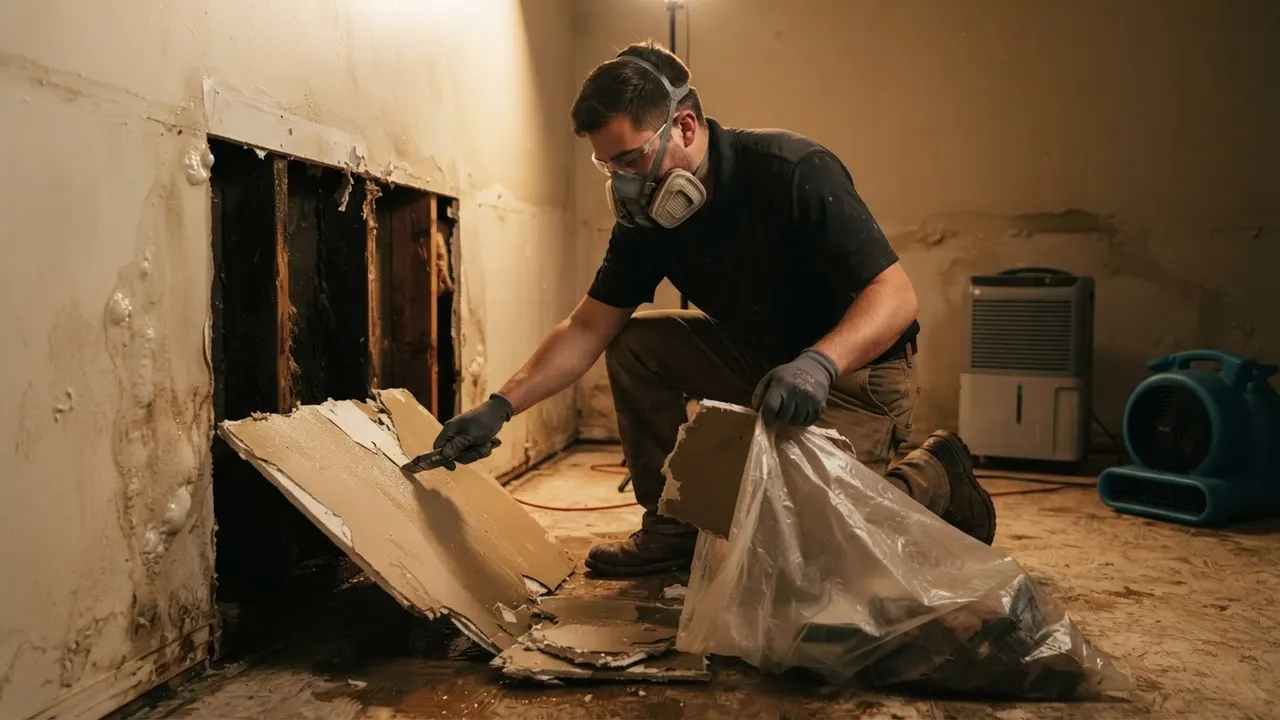
Observed board condition and practical next steps.
Drying removes moisture and stabilizes the floor assembly; refinishing addresses appearance after the wood is dry. We separate these steps so you do not sand or coat a floor that is still changing.
A dry surface does not prove the subfloor is dry. We compare measurements at several points before making that call.
Cupping can change as moisture leaves the wood. We document movement and readings before deciding whether replacement is needed.
Drying cannot stop a continuing leak. We coordinate the response with source control so fresh water does not reach the floor again.
Outside these neighborhoods? Call and ask about service in your area. (833) 546-4116
Hardwood floor restoration in Mesquite NV often varies, depending on the affected area and repair needs. Extraction and drying alone cost less than replacing boards, refinishing a room, or opening a wet subfloor. Typical 2026 pricing depends on water volume, floor construction, equipment days, and whether nearby drywall or baseboards are wet. We inspect first and explain the cost drivers before work proceeds.
Yes, some water-damaged hardwood floors in Mesquite can be saved when water is removed promptly and the boards remain structurally sound. We check cupping, finish separation, board edges, and moisture below the floor before recommending removal. A short exposure to clean water has a better outlook than prolonged saturation or contaminated water. Drying can take several days, and permanent distortion may still require board replacement or refinishing.
Hardwood floor drying in Mesquite NV commonly takes 3 to 7 days, with longer periods possible for saturated subfloors or concealed moisture. We use repeat moisture readings to decide when equipment can be adjusted or removed; the calendar alone does not confirm dryness. Room size, floor thickness, water volume, and airflow all affect the schedule. We explain progress as readings change and identify any repair work that follows.
Insurance coverage for hardwood floor water damage in Mesquite depends on your policy, the cause, and any exclusions. Sudden events such as a burst pipe are treated differently from gradual seepage or neglected maintenance under many policies. We document visible damage, moisture readings, and drying actions to help you discuss the loss with your adjuster. Your insurer makes the coverage decision, so review your policy and report the damage promptly.
Hardwood floor drying and restoration Mesquite NV starts with a close look at the leak and the floor assembly. Call Mesquite Water Damage Company at (833) 546-4116 to explain what happened and arrange an inspection. We provide upfront pricing before work begins.
Call (833) 546-4116 to explain what happened and where water is collecting. We take calls for water damage requests and connect you with an independent company that can discuss service details directly. If the leak is active, shut off the source when safe and tell us whether the water reached electrical equipment, flooring, or more than one room.