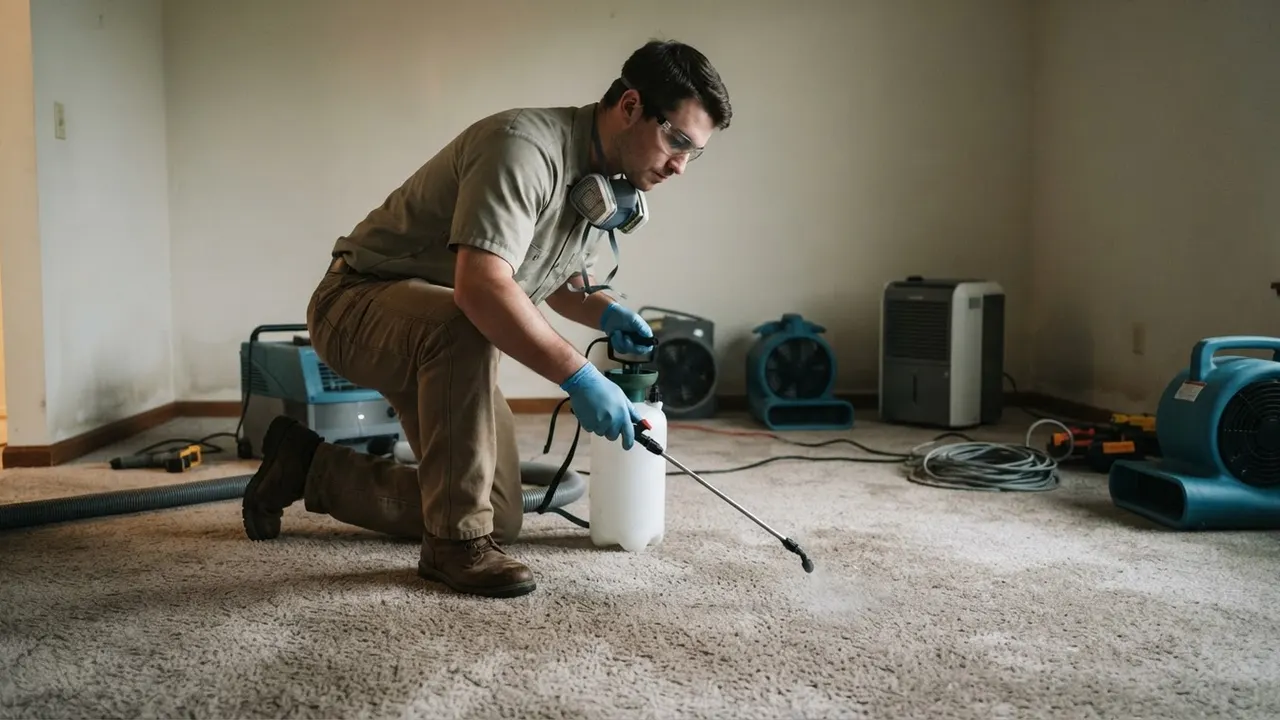
Moisture Notes
Recorded readings and affected locations.
Roof leak water damage repair Mesquite NV helps homeowners and property managers stop active water intrusion and dry affected ceilings, walls, insulation, and floors. We trace visible moisture, contain the leak's effects, and set a drying plan before damp materials turn into a musty odor or mold growth. For roof water damage restoration Mesquite, call (833) 546-4116 and tell us where water is entering.
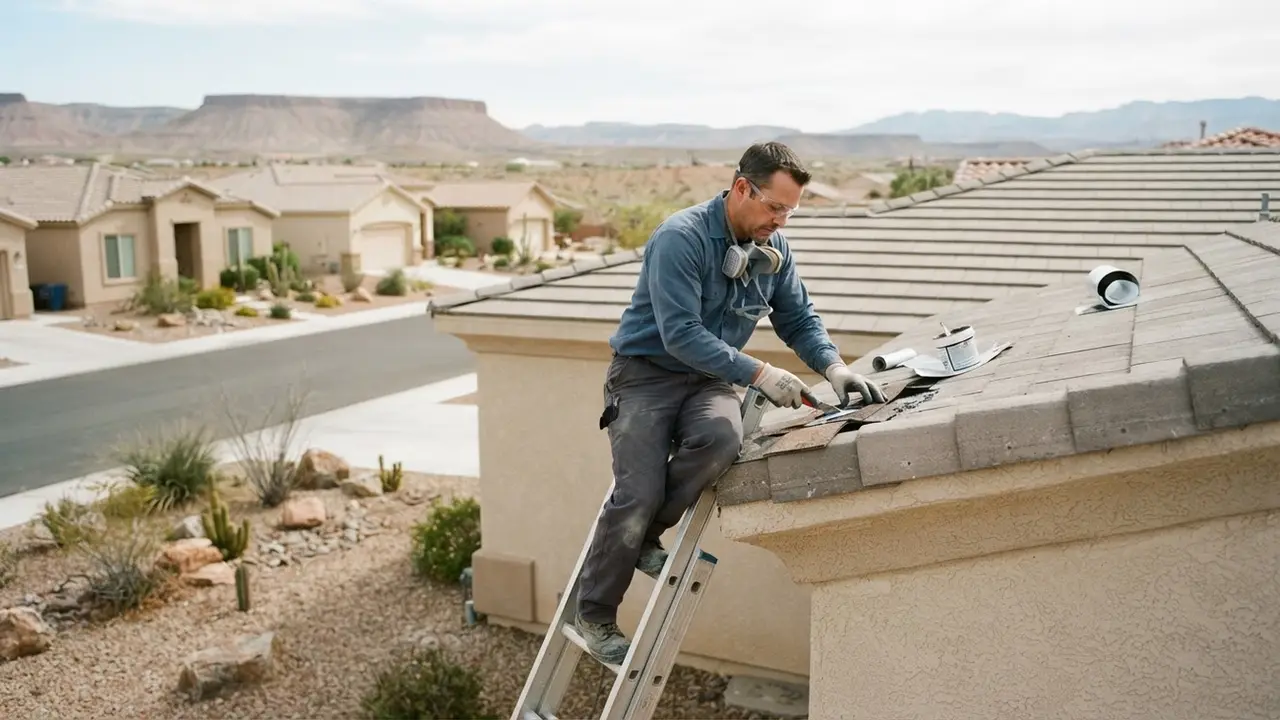
Roof leak restoration covers interior water assessment, extraction where needed, drying, and documentation of affected materials. We identify whether ceilings, walls, insulation, flooring, or contents need attention and explain the work sequence. Permanent roof construction, finish upgrades, and repairs unrelated to the water damage are handled as separate work when required; we keep the mitigation plan focused on stopping water and restoring dry conditions.
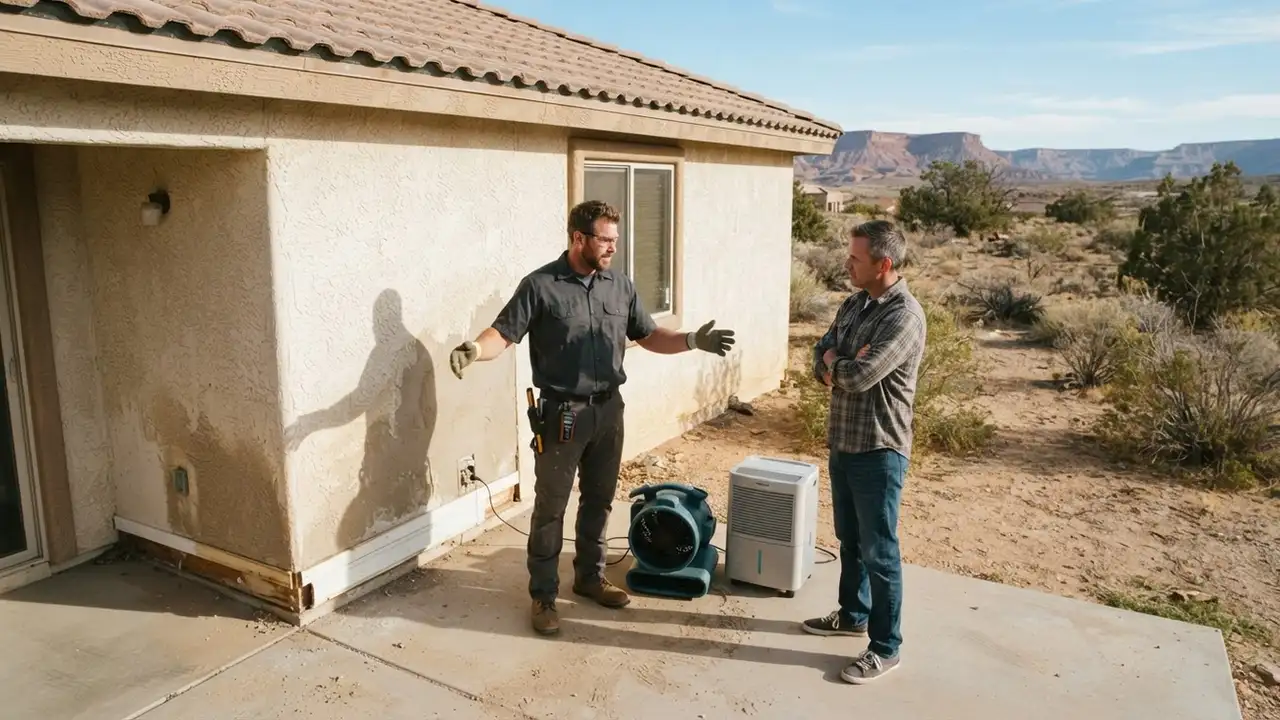
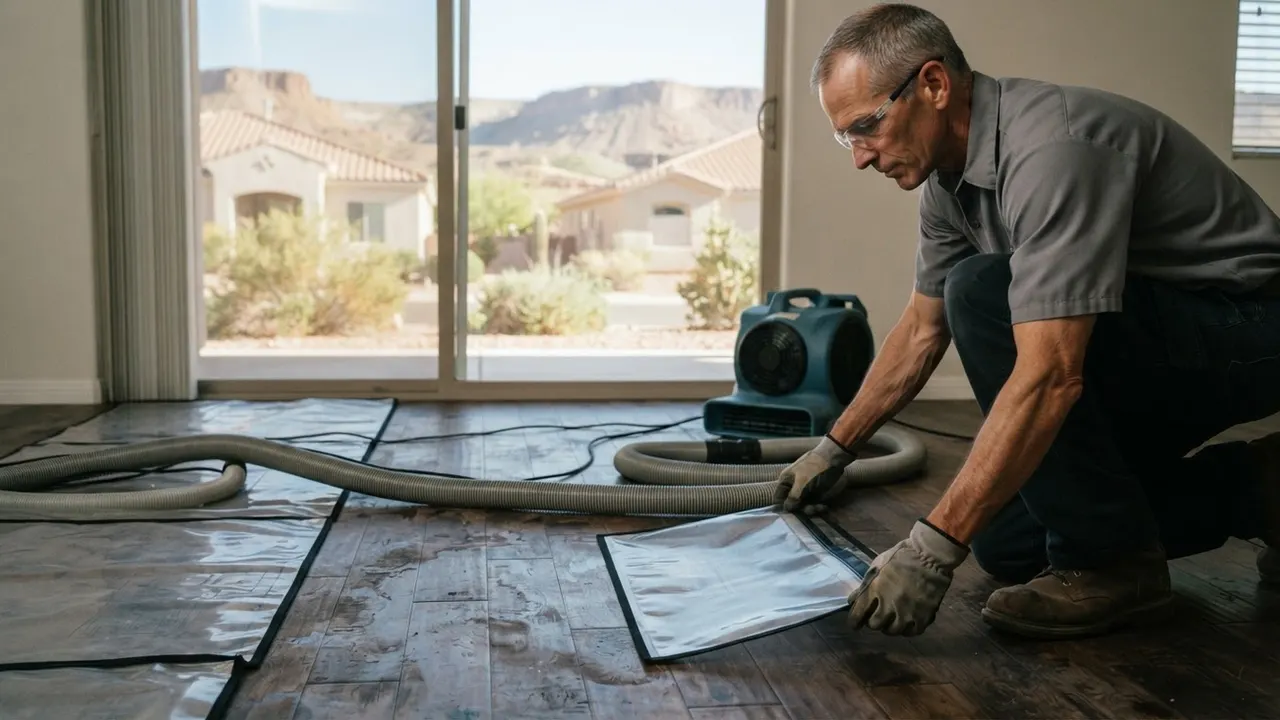
We trace roof water through ceilings, walls, and floors while protecting your furniture and household items. You get clear updates on what is wet, what is drying, and which repairs follow.
We plan the drying area around your staff, tenants, customers, and equipment. You receive a practical sequence for extraction, monitoring, and finish repairs.
Roof leak water damage repair Mesquite NV is a water-damage restoration service that removes moisture from building materials after roof water enters a home or commercial property. We inspect the ceiling and attic-side materials, identify wet insulation and drywall, extract standing water, then track drying with a moisture meter and hygrometer. If the roof opening remains exposed, we coordinate protective measures such as temporary tarping so new water does not undo interior work. The goal is to dry and stabilize affected materials before repairing finishes.
Mesquite properties can take on roof water during intense rain, wind-driven storms, or after aging flashing and roof penetrations fail. A small ceiling stain can conceal wet plywood, insulation, or carpet padding above and below the visible mark. Our roof leak cleanup Mesquite service focuses on the full moisture path, not just the stain. If you searched for roof leak water damage repair Mesquite NV near me, we can inspect the affected rooms, document readings, and explain the next practical steps.
Dry the concealed materials, not just the stain you can see.
Roof leak water damage repair Mesquite NV follows a clear sequence: assess the water path, control further entry, remove water, dry affected materials, and document the results. The first visit focuses on safety and scope. We explain what is wet, what can be dried, and what needs removal before equipment starts running.
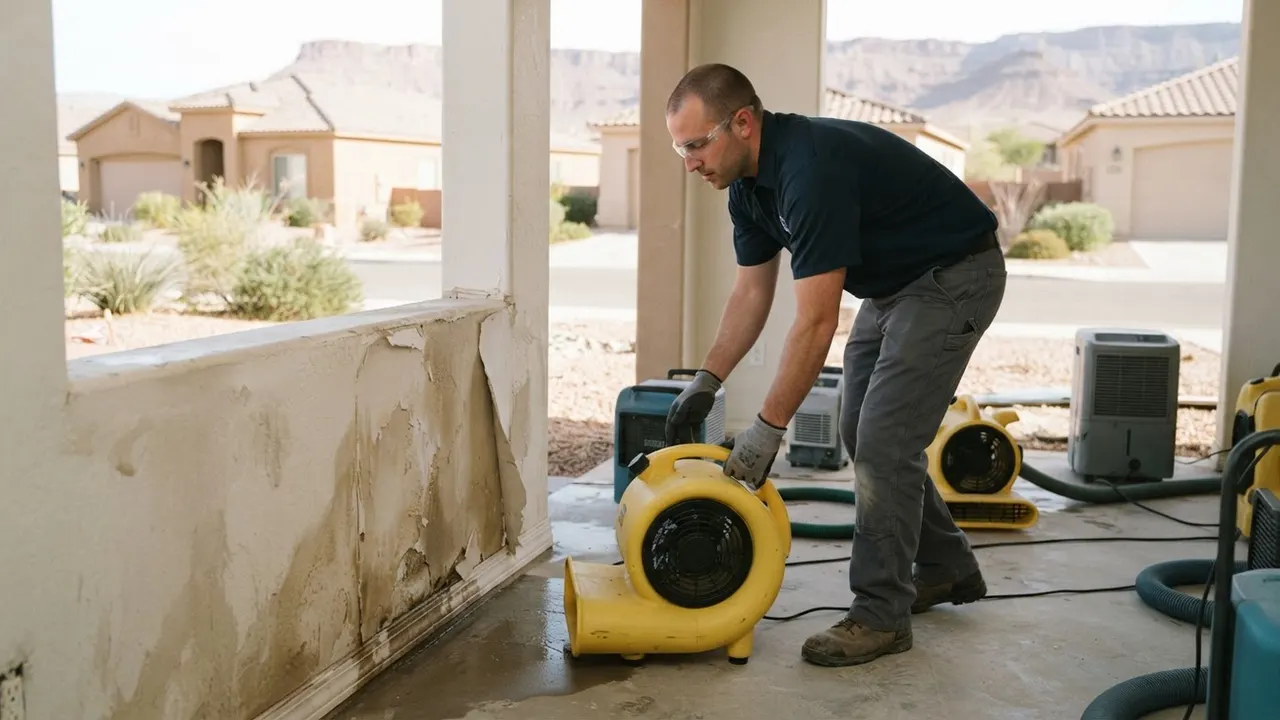
We begin by asking when the leak appeared and which rooms were affected, then inspect ceilings, attic access, and nearby walls. A moisture meter identifies dampness beyond visible marks; a thermal imaging camera helps map temperature differences that warrant direct measurement. The initial inspection often takes 30 to 90 minutes, depending on access and the number of rooms.
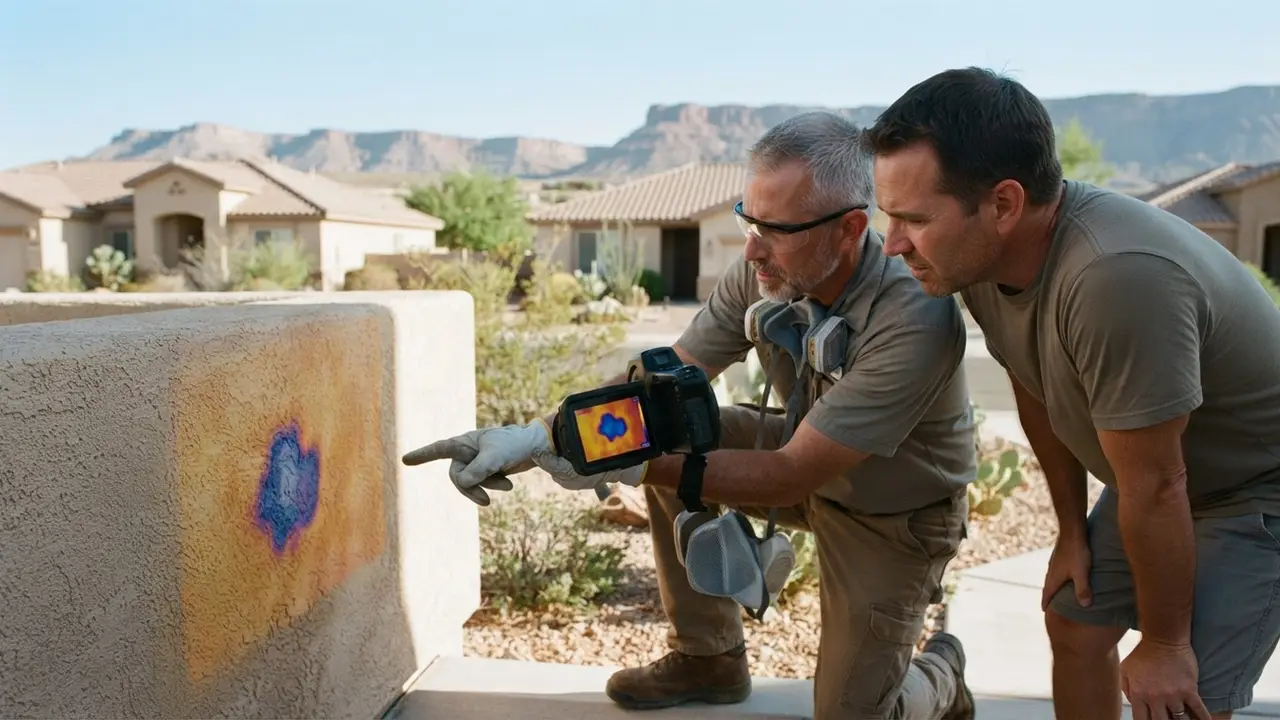
We locate the likely roof entry path and determine whether temporary protection is needed before interior drying proceeds. If water is still entering, we discuss emergency roof leak repair Mesquite NV measures such as a safe tarp-over or containment. We do not treat a ceiling patch as a roof fix; stopping renewed water is essential to protecting the drying work.
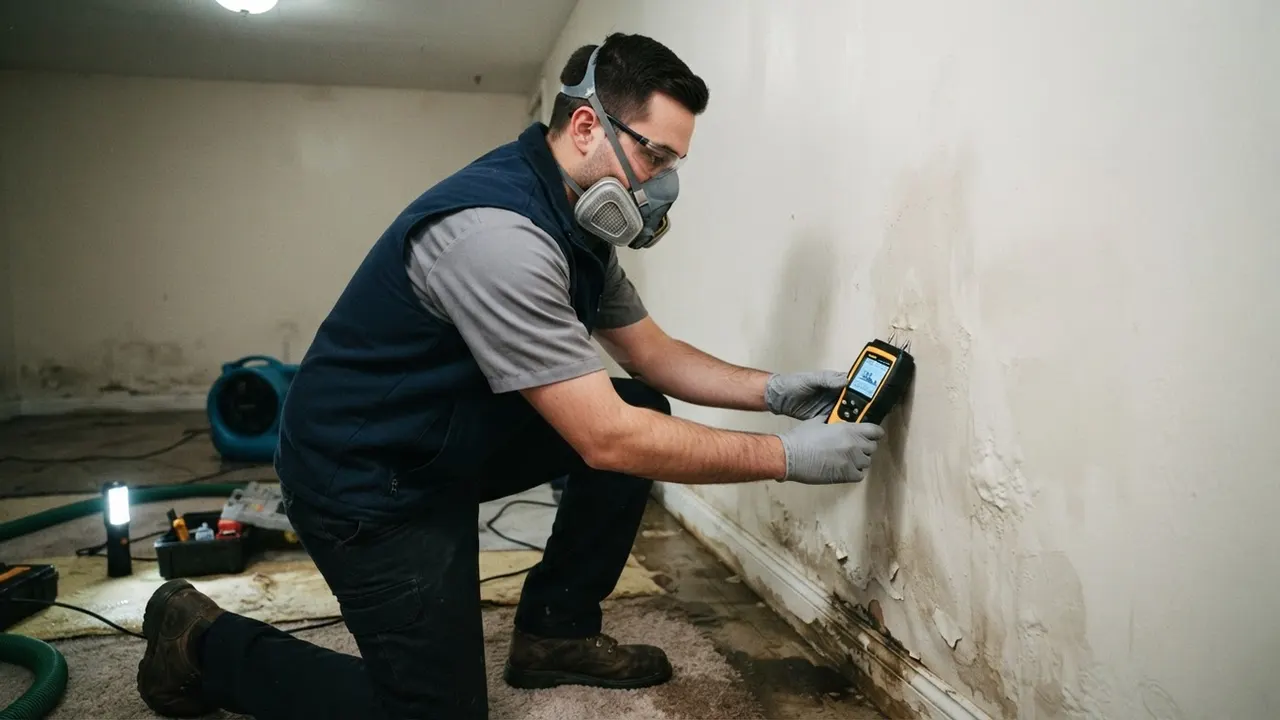
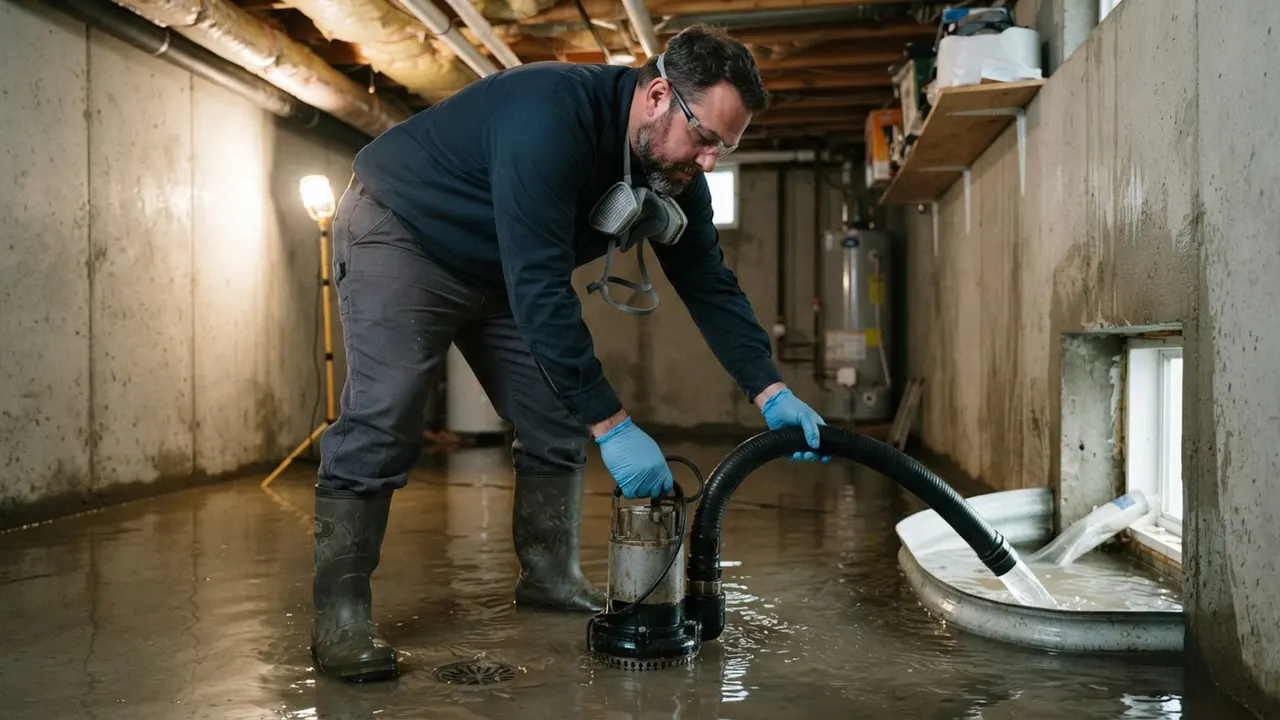
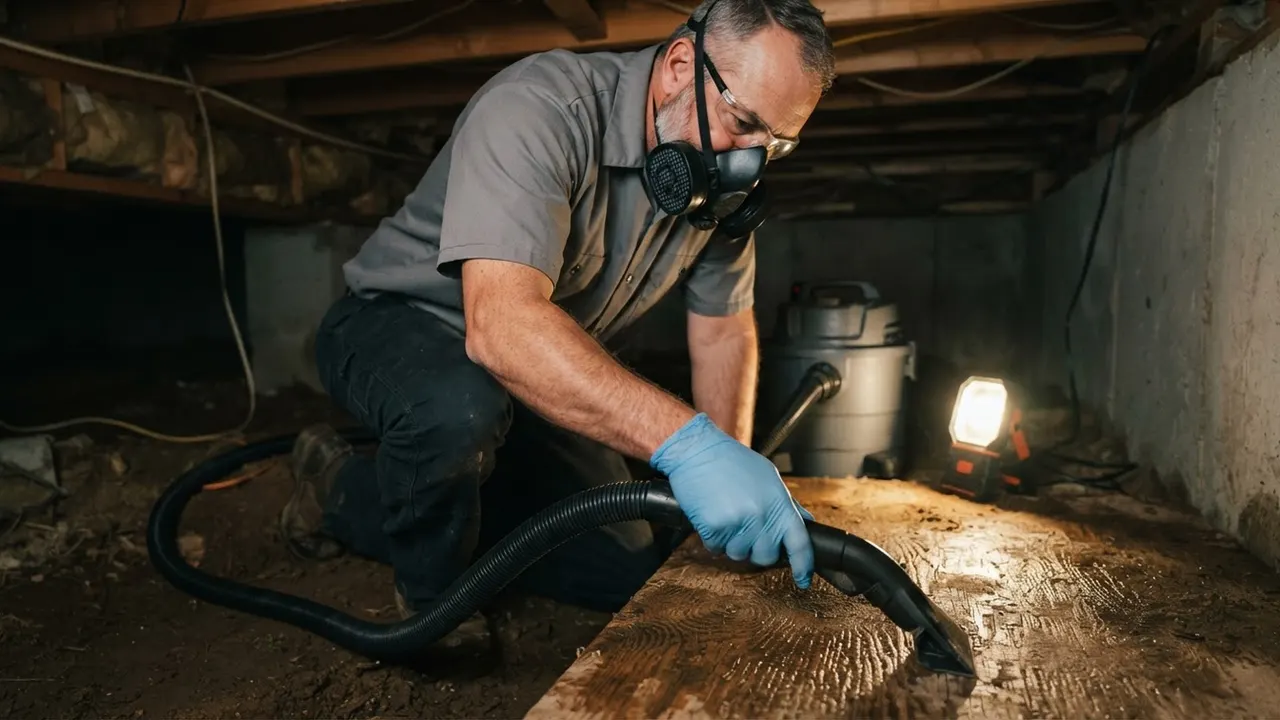
Our crew removes accessible standing water with a water extraction unit and moves or covers belongings in the work zone. If water has reached carpet, we check the carpet padding separately because the surface can feel dry while the layer below remains wet. This stage often takes one to several hours, based on water volume and material type.
We place air movers to direct airflow across wet surfaces and a dehumidifier to remove moisture from the room air. Equipment layout depends on the affected square footage, material, and readings; a small contained room may need fewer units than a wet ceiling and adjoining wall. We explain operating noise, access needs, and what to keep clear.
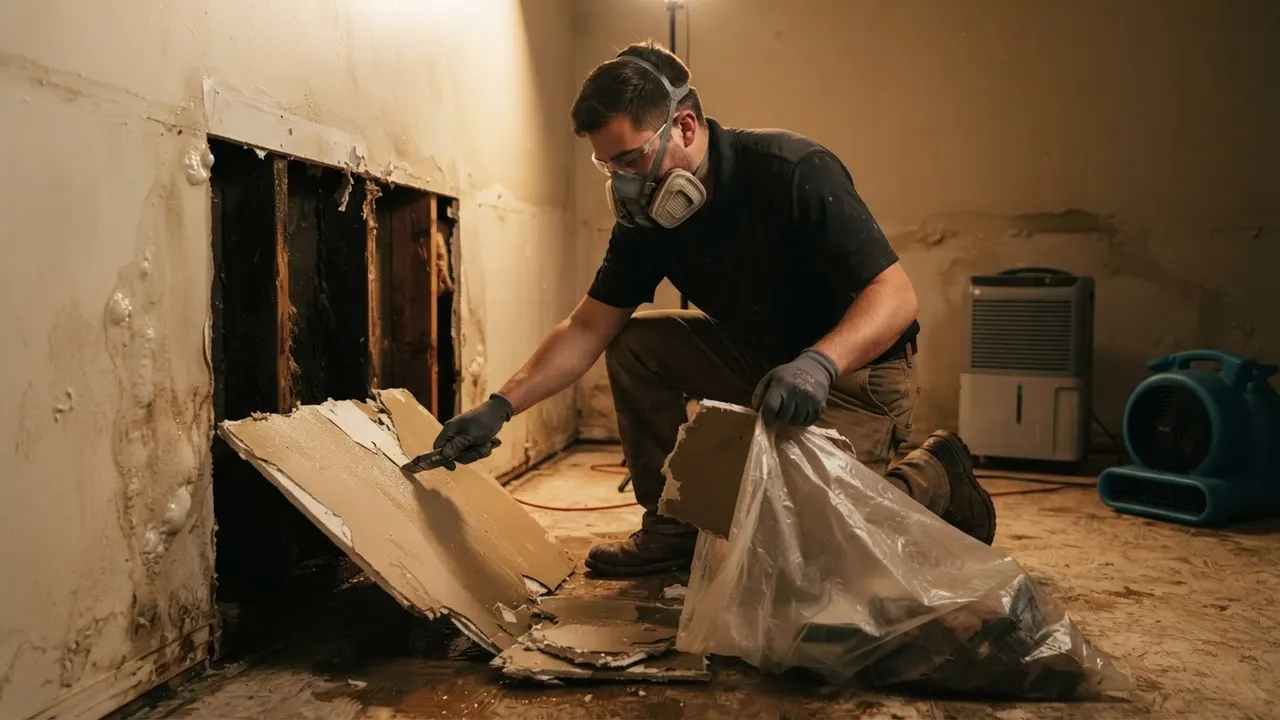
We return to measure progress, compare readings, and adjust equipment until affected materials reach suitable drying conditions. Many projects require two to five days of monitored drying, though concealed moisture or dense materials can extend the schedule. After drying, we identify the repair work needed for drywall, insulation, paint, or flooring and share the documented findings.
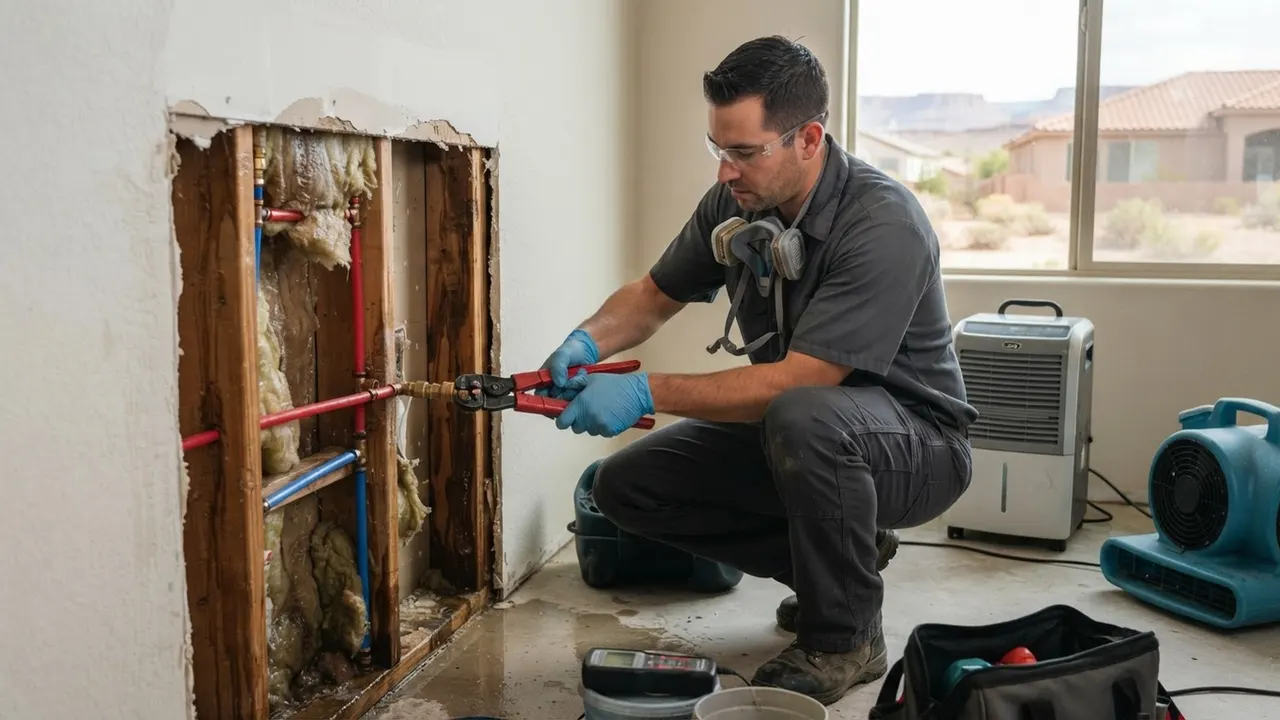
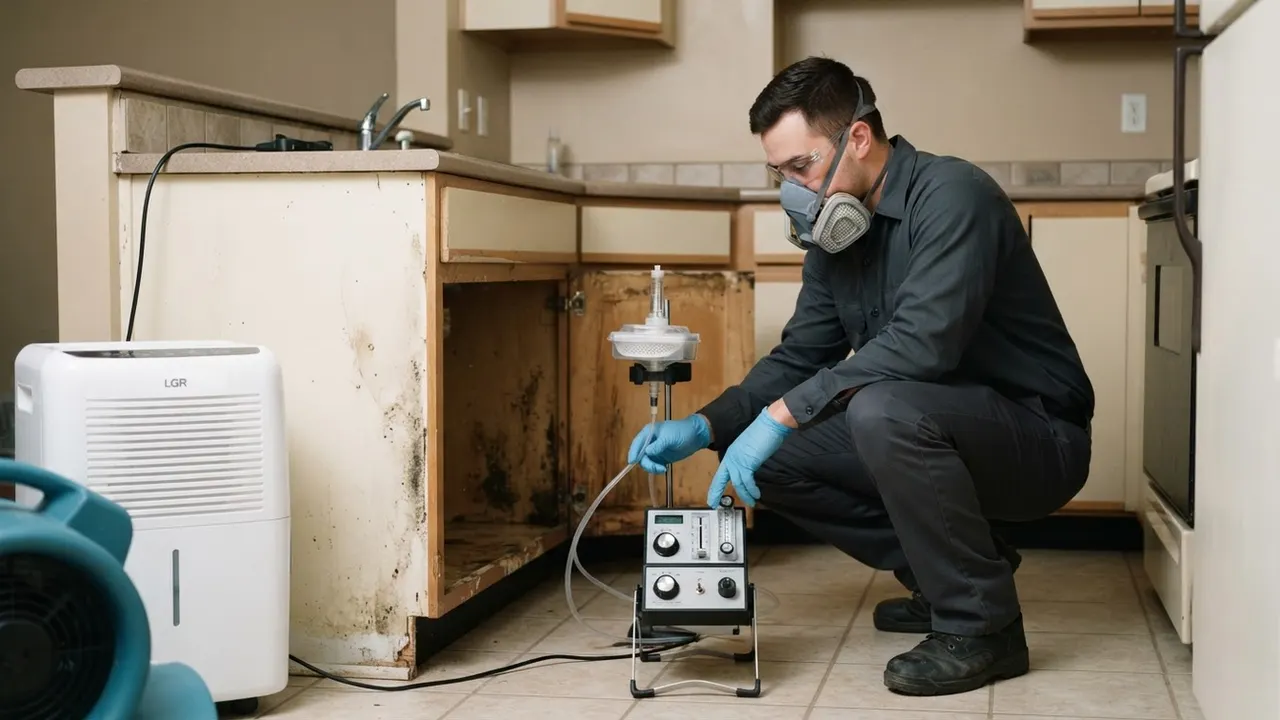
We measure moisture in drywall, wood, and other accessible materials at specific points. Repeat readings help show whether drying is progressing and whether repairs can move forward.
We use temperature patterns to identify areas that warrant direct moisture checks. The camera helps guide inspection but does not replace contact measurements or confirm moisture by itself.
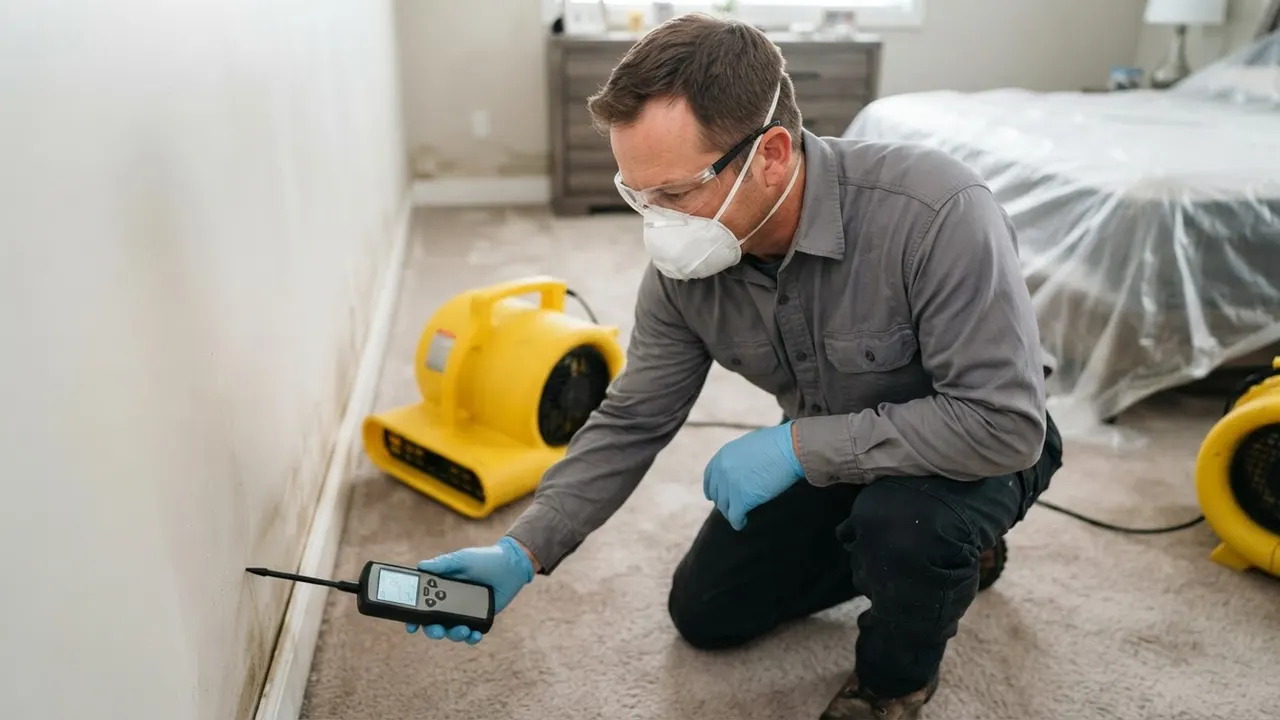
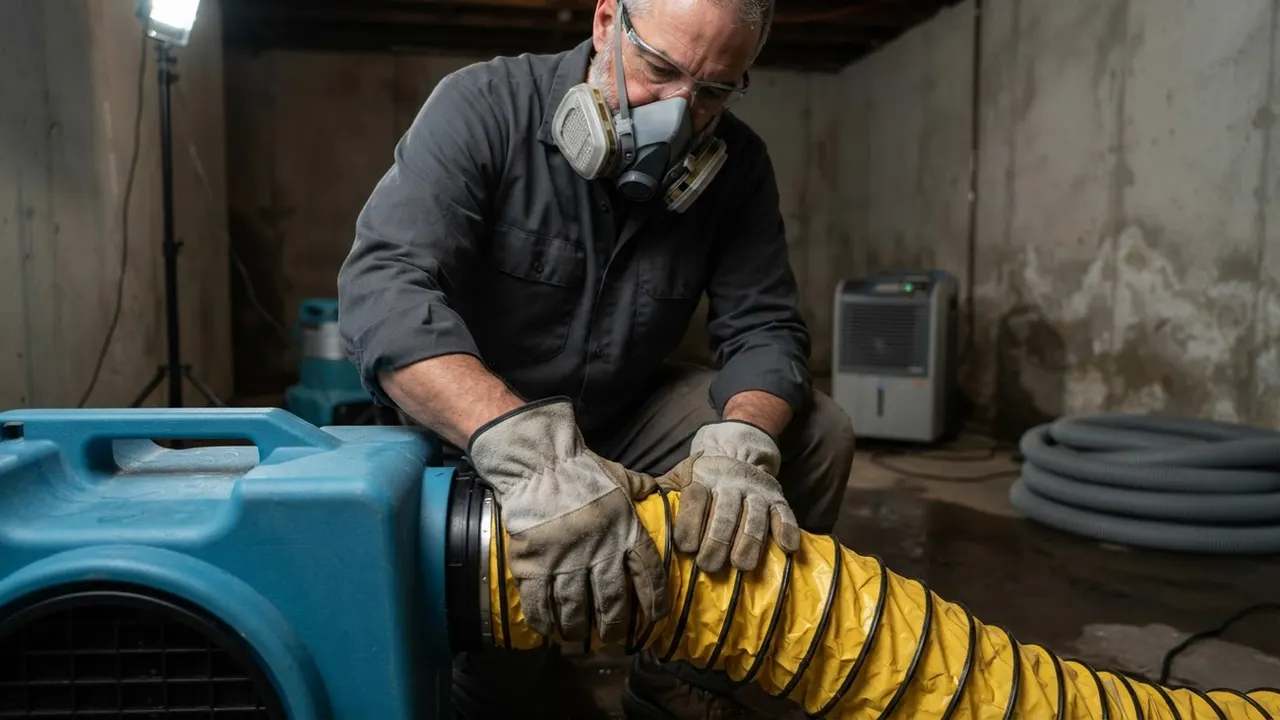
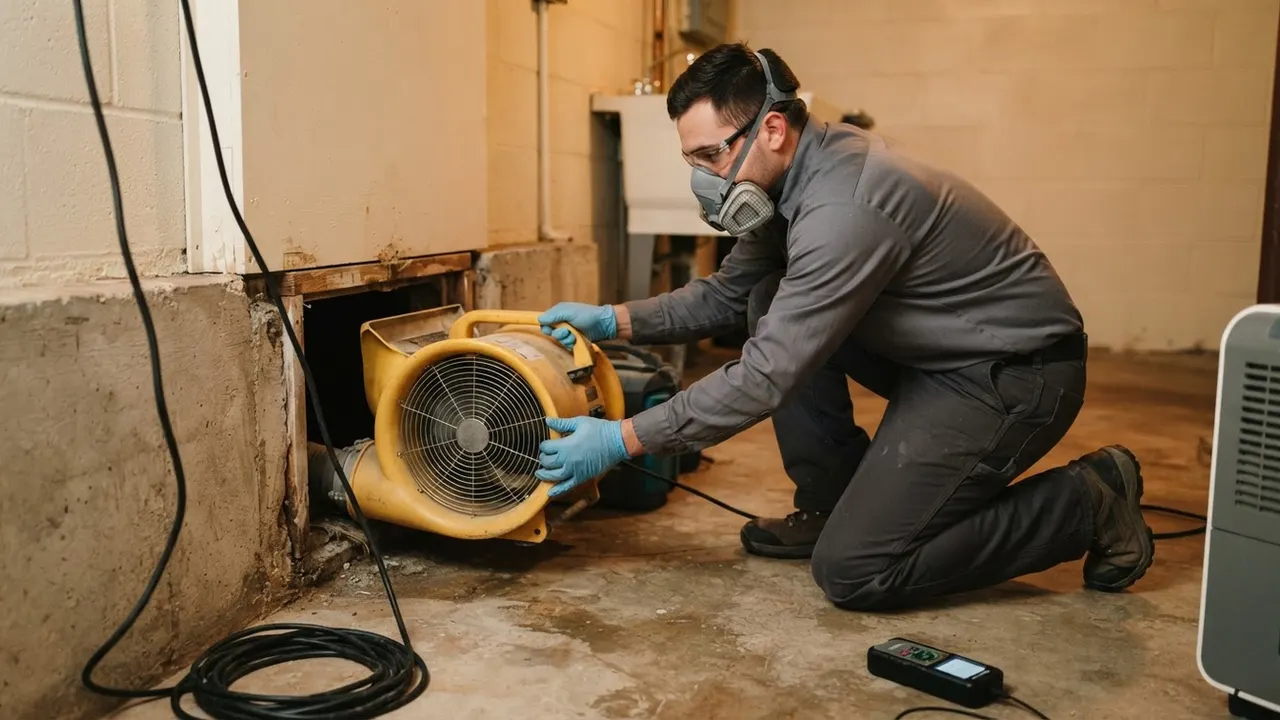
An air mover directs airflow across wet surfaces to support evaporation. We position it for the room layout and adjust placement as readings change.
A dehumidifier removes moisture from room air as water leaves building materials. We monitor room conditions and keep intake and exhaust paths unobstructed.
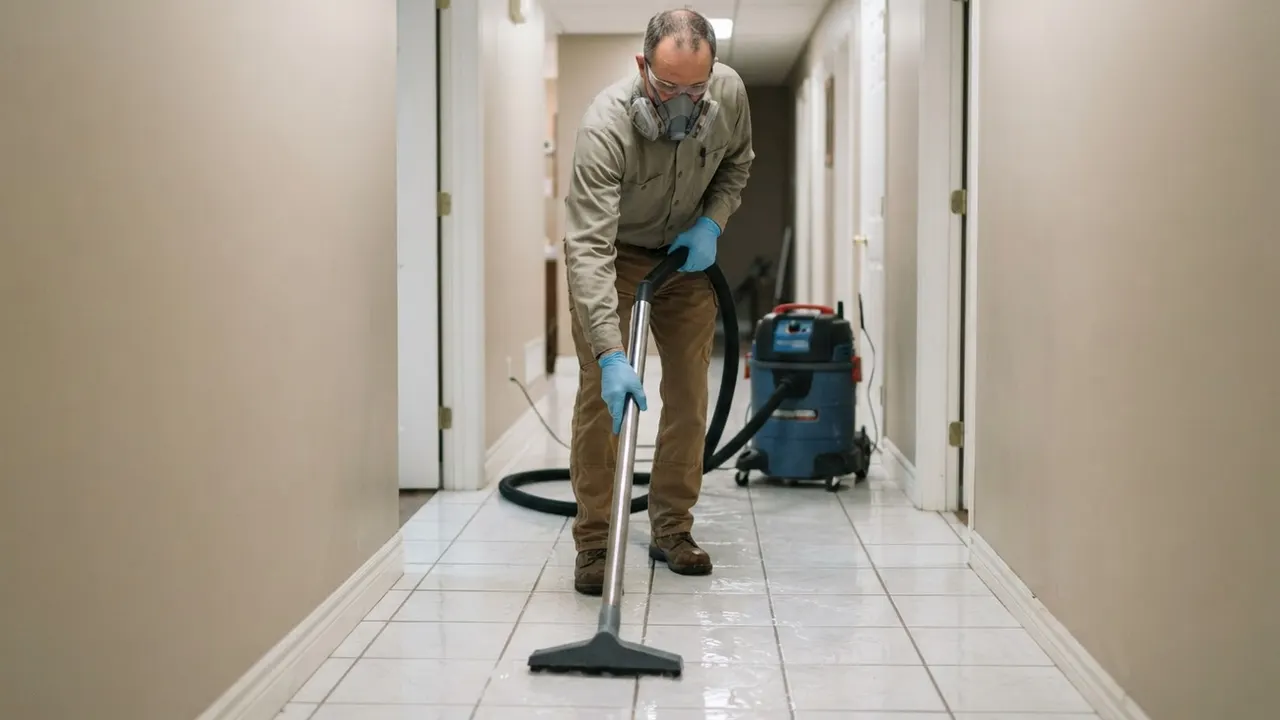
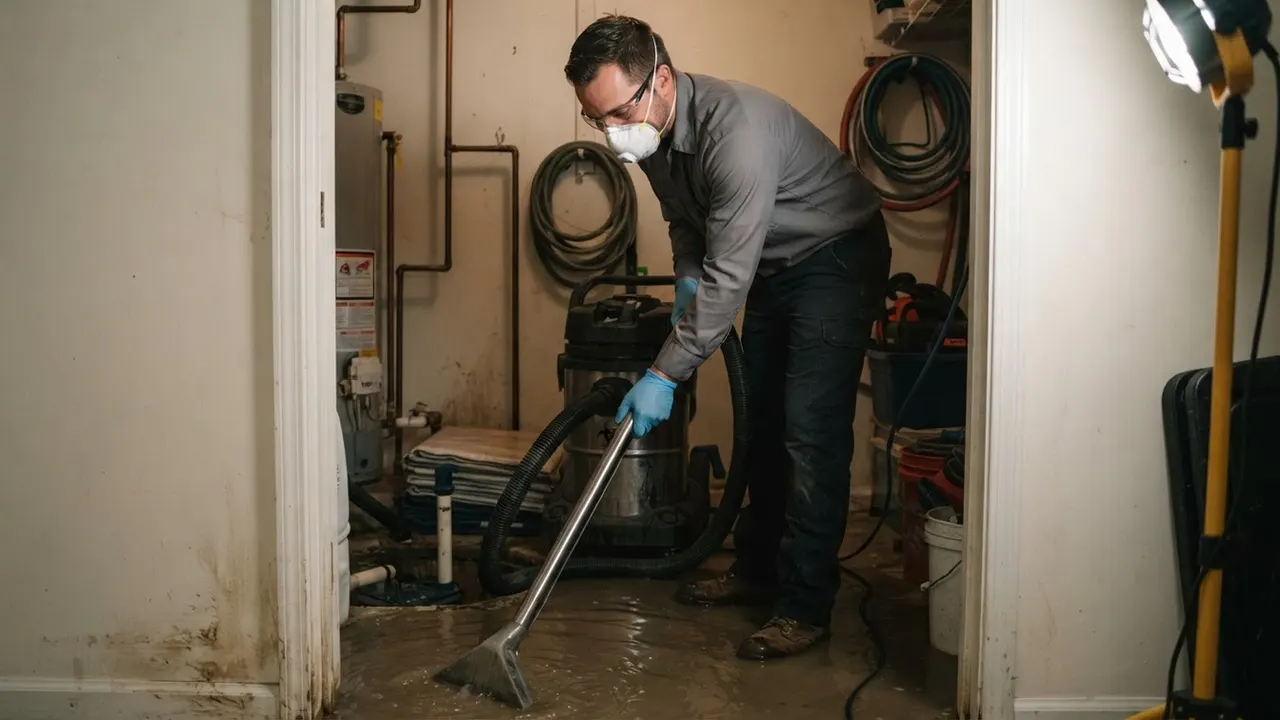
We use a water extraction unit to remove accessible standing water from floors and suitable surfaces before structural drying begins.
A hygrometer tracks relative humidity and temperature in the work area. Those readings help us assess drying conditions alongside material moisture checks.
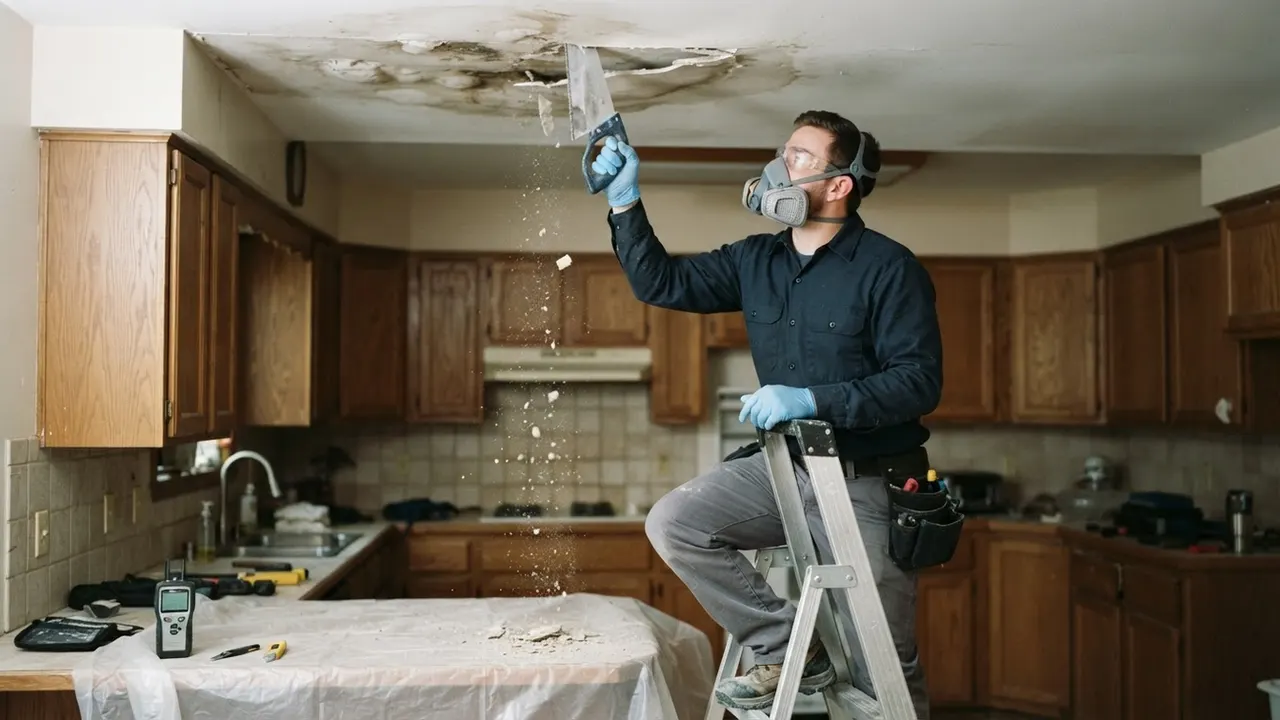
We record readings across the visible stain, surrounding drywall, and other materials along the likely water path. Mapping establishes which areas are affected and creates comparison points for follow-up. When readings suggest hidden moisture, we inspect accessible cavities or discuss selective opening before the area is closed.
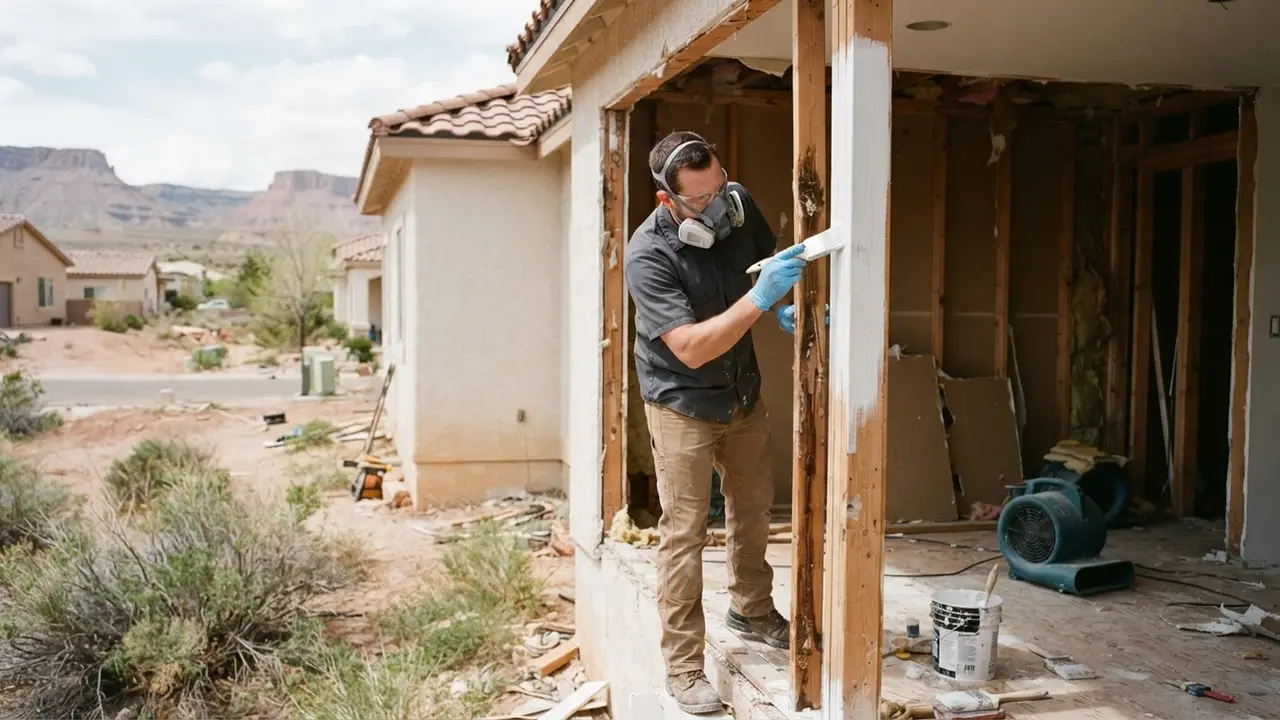
We combine directed airflow with dehumidification to move moisture out of building materials and remove it from the room. Equipment is placed according to the affected area, room conditions, and material type. Follow-up readings guide adjustments; equipment is not removed solely because a surface feels dry.
We inspect the stain and nearby surfaces to see whether moisture remains in the drywall, insulation, or wall edge. A moisture meter helps establish a baseline, and we check access points where practical. If the area is damp, we set a drying plan and explain whether the ceiling needs opening before repair. You learn whether the mark is cosmetic or part of a larger wet area, and the next step is based on measured conditions.
We identify the wet zone, protect nearby equipment and furnishings, and extract water from accessible flooring. If rain is still entering, we discuss temporary protection before interior drying continues. Equipment placement keeps walkways and essential work areas as clear as the conditions allow. The property manager gets a defined mitigation area, documented damage, and a plan for drying before finish repairs.
We keep occupants clear of the soft area, inspect accessible attic materials, and assess whether the ceiling is stable enough for ordinary drying. Saturated insulation may need removal so the cavity can dry. We coordinate the moisture work with the roof source repair and later drywall replacement. The unstable material is addressed before it falls, and repairs are planned only after the cavity is dry enough to close.
We check the carpet, padding, baseboards, and nearby wall for water migration. A water extraction unit removes accessible water, and air movers support drying where materials can be retained. We explain which readings will be checked on follow-up and whether the padding needs removal. Water is removed from the affected floor area, and you have a documented decision about drying or replacing the padding.
Roof water damage restoration Mesquite starts with a close look at how the water moved through the building, not an assumption based on the ceiling stain. Mesquite's dry periods can make a small roof opening easy to overlook until a strong rain exposes it; wind-driven water can also reach flashing, roof penetrations, and vulnerable edges. We check the interior and accessible attic areas, then separate active entry from moisture already in the structure. For emergency roof leak repair Mesquite NV, temporary protection may be discussed before extraction and drying begin. Building materials matter: drywall, plywood, insulation, and hardwood flooring respond differently, so each gets assessed on its own readings and condition. We work across Clark County and account for occupied homes, rental properties, and commercial spaces where access and equipment placement need coordination. Nevada building requirements apply to construction work, while restoration focuses on water removal, drying, and documented material decisions. We explain when roof construction, electrical service, or finish repair needs another trade, and we keep the drying plan tied to measured conditions rather than a fixed guess.
A homeowner noticed a spreading brown mark above the hallway and a damp odor near the bedroom. The roof opening had stopped dripping, but the ceiling edge and attic insulation remained wet. The room looked mostly normal from the doorway, making it difficult to judge how far the moisture had traveled.
We mapped the ceiling and adjacent wall, extracted water from the floor edge, and dried the affected area over four days with monitored equipment. Follow-up readings showed the accessible materials had returned to appropriate drying conditions. The homeowner then had a defined repair area for replacing damaged drywall and repainting.
After the roof source is repaired, check ceilings and attic access points after the next significant rain. Keep gutters and roof penetrations under routine inspection, and photograph any new stain promptly so changes can be compared.
A commercial suite had a ceiling drip over the edge of a carpeted work area. The carpet surface felt only slightly damp, but water had reached the padding and one wall base. Staff needed access to desks, and the property manager needed a clear record of affected areas.
We extracted water, protected nearby furnishings, and positioned drying equipment around the work zone. A three-day monitoring period showed the carpet and accessible wall edge were drying, while the damaged ceiling section was marked for repair. Photos and notes gave management a practical handoff for reconstruction.
Keep the repaired ceiling area accessible for inspection after heavy rain. If a new stain or damp carpet edge appears, note the location and timing, move equipment away from the water, and report the change before covering the area.
A soft ceiling patch appeared beneath a roof leak, and a homeowner could see damp insulation from a safe attic access point. The visible damage covered less than one ceiling panel, but moisture readings indicated the affected area extended beyond the stain.
We identified the damp boundary, addressed the need for temporary source protection, and removed saturated insulation so the cavity could dry. Airflow and dehumidification continued for five days with repeat checks. The homeowner received a repair outline for new insulation and ceiling finish after drying.
Keep roof penetrations and flashing in the regular maintenance schedule, especially after storms. Check the repaired ceiling for fresh discoloration during the following weeks, and address any renewed moisture before repainting or installing new finish materials.
Roof leak water damage cleanup Mesquite NV addresses more than the drip itself. Water can follow framing, spread under paint, and remain inside insulation after the room looks dry. We trace the affected path, remove accessible water, and monitor drying so you can move from active damage toward a sound repair.
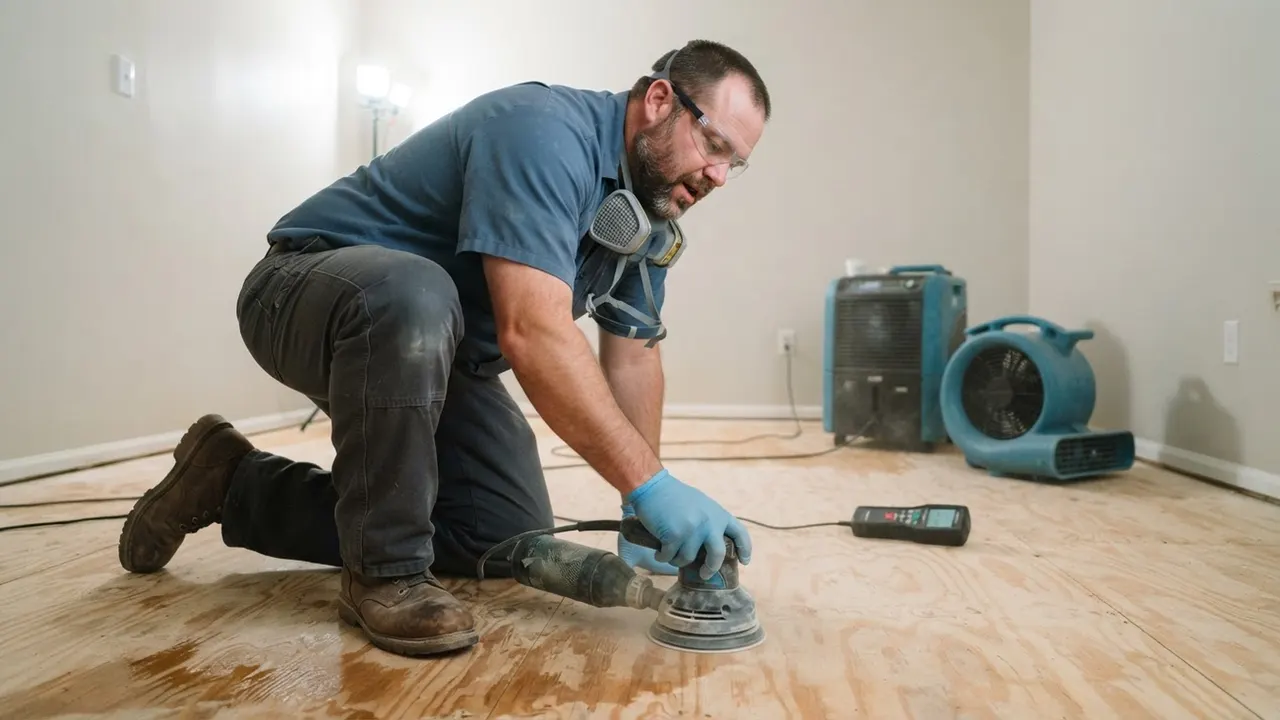
We map the ceiling and adjacent wall with moisture checks, inspect accessible attic-side materials, and determine whether the cavity needs opening for drying. We also discuss temporary roof protection if water can enter again. The repair plan follows measured conditions rather than the stain's outer edge alone. Water trapped above drywall can continue spreading along framing, loosen finishes, and leave insulation damp. A larger stain may reveal a wider concealed area.
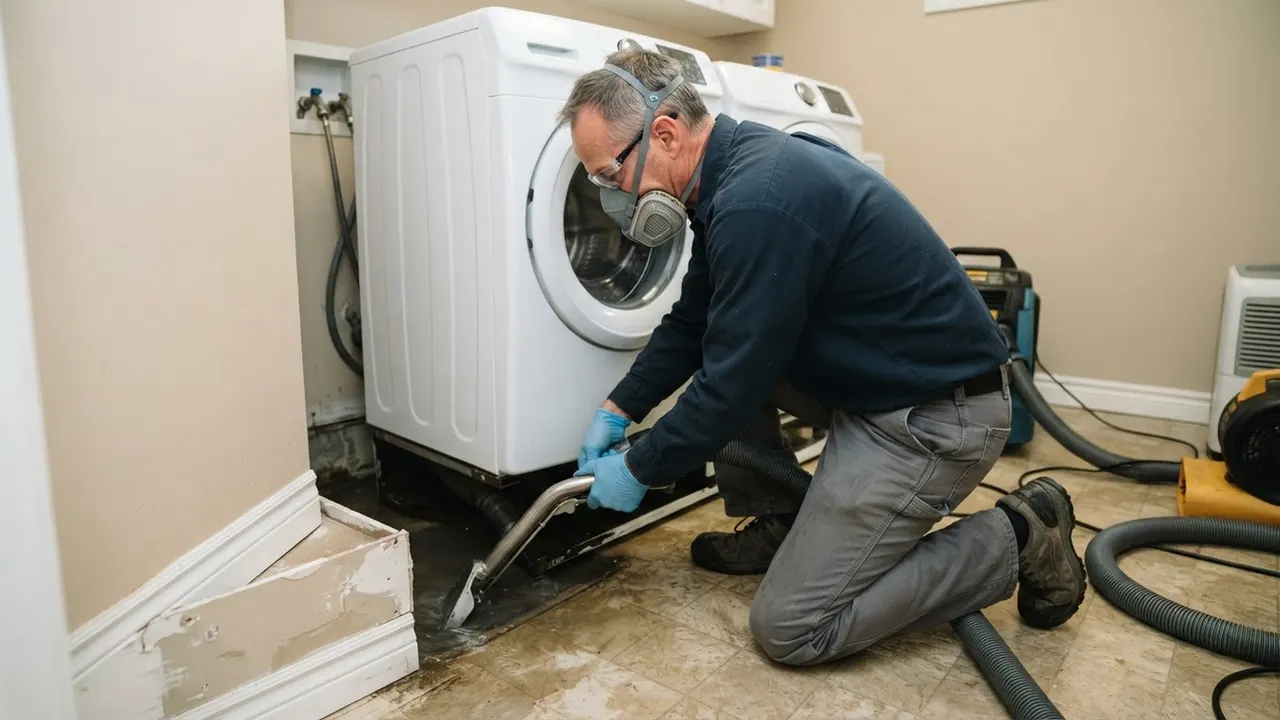
We inspect the carpet and padding separately, extract accessible water, and place airflow where it can reach the affected layers. Moisture readings guide whether the materials can remain in place or need removal. We explain the findings before moving from mitigation to floor repair. Moisture under carpet can reach the subfloor and create a musty odor. Leaving the padding wet can extend the drying time and complicate flooring repairs.
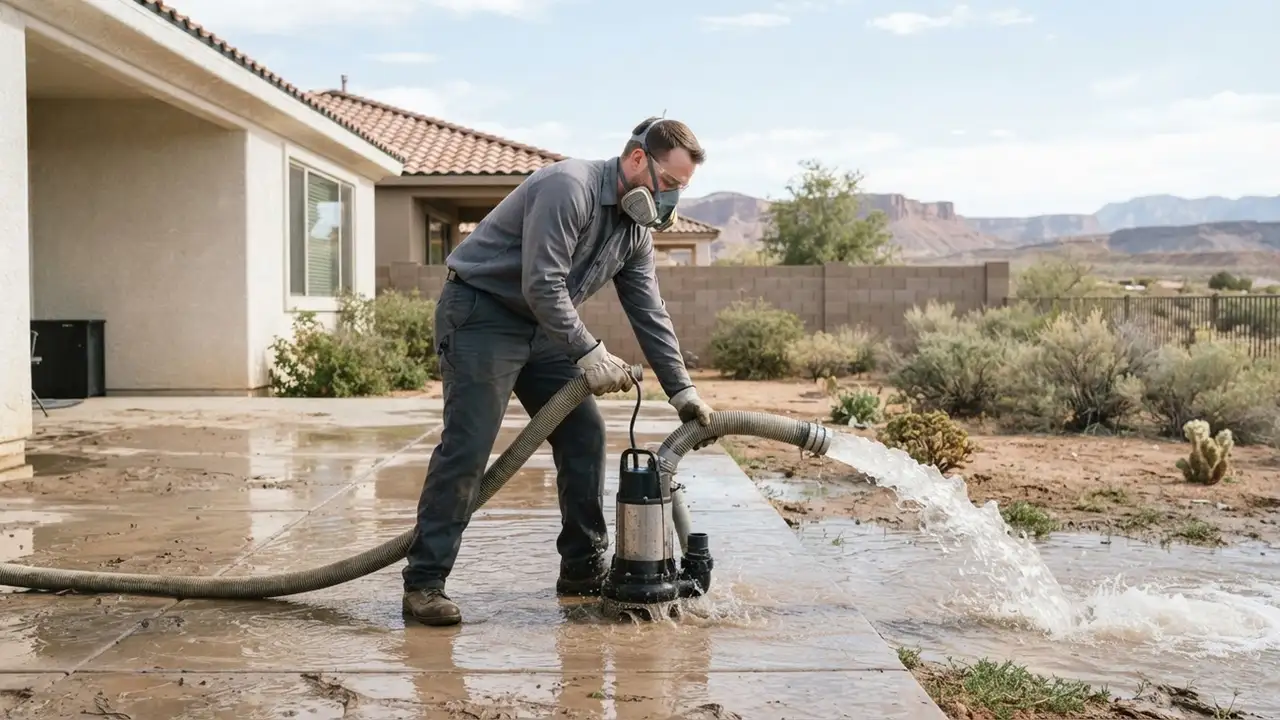
We check for current moisture and identify the affected materials before deodorization or finish work. If the source is still active, we prioritize water control; if materials are damaged, we outline removal and drying. The sequence targets the cause of the odor instead of masking it. Repeated wetting can keep drywall, insulation, or wood damp even after visible drips stop. Persistent moisture raises the risk of material deterioration and mold growth.
We ask you to keep clear of the affected fixture and arrange a safe inspection of the water damage. Once the area is safe to access, we map moisture, protect unaffected contents, and begin extraction or drying as appropriate. Electrical concerns are referred to qualified electrical service. Water near wiring or fixtures creates a safety concern, and a saturated ceiling can weaken before the stain appears severe. The area should not be touched or opened casually.
A ceiling stain marks where water appeared, not necessarily where it traveled. We check nearby framing, insulation, and wall cavities with a moisture meter and thermal imaging camera, then record readings at affected points. This helps locate damp material beyond the visible stain and keeps drying equipment focused on the areas that need it.
Standing water and saturated carpet padding can spread damage across a room within hours. We use a water extraction unit where needed, protect unaffected belongings, and remove material that cannot be dried effectively. Early extraction helps preserve sound hardwood flooring, baseboards, and drywall when their condition and moisture readings support drying.
We place air movers and a dehumidifier according to the wet area and monitor conditions rather than guessing by touch. A hygrometer records room humidity while moisture readings track the structure. You get a practical view of progress, including which surfaces are ready for repairs and which need more drying time.
Roof leak repair Mesquite NV work must stop water from entering while restoration addresses interior damage. We identify the need for temporary protection, explain the sequence, and coordinate drying with the repair plan. Separating source control from interior restoration helps prevent a newly repaired ceiling from being exposed to another leak.
Clear records you can keep and share.
Recorded readings and affected locations.
Visible conditions and mitigation progress.
Drying status and next finish steps.
Interior restoration removes water and dries affected materials; roof construction stops water entering at the source. Both tasks may be needed, but one does not replace the other.
A tarp or roof repair limits new water entry. Drying equipment addresses moisture already inside the building.
A ceiling mark shows where water appeared, not the full wet boundary. Nearby cavities and materials need separate checks.
A surface can feel dry while insulation or framing remains damp. Repeat readings help confirm whether repair can proceed.
Outside these neighborhoods? Call and ask about service in your area. (833) 546-4116
A limited ceiling-and-room drying job may vary while extensive concealed damage and reconstruction can be higher for larger losses. Typical 2026 pricing depends on water volume, affected square footage, materials, access, and whether contents or insulation need handling. We inspect first and explain the work that drives the price; roof construction and interior restoration can be separate parts of the project.
Move people and valuables away from the leak, place a container under drips, and call for help if water is near lights or wiring. Do not climb onto a wet roof. If the ceiling is bulging, keep clear because saturated drywall can fall. Call (833) 546-4116 and describe the active leak, affected rooms, and when it began so we can plan an inspection and roof leak water damage repair Mesquite NV response.
Coverage depends on your policy, the cause of the leak, maintenance history, and the adjuster's review; no universal amount or approval applies. Take photos, note when you found the water, and keep damaged items available for inspection when safe. We can document visible conditions and mitigation work for your records, but your insurer determines coverage. Sudden storm damage and long-term seepage may be treated differently.
We trace the wet area, control further water entry, extract standing water, and dry affected materials with monitored airflow and dehumidification. A small room may dry in two to five days; wet insulation or closed cavities can add time. We check moisture readings before recommending drywall, baseboard, or flooring repairs. For emergency roof leak repair in Mesquite, Nevada, we also discuss temporary protection when water is still entering.
If water is dripping, staining a ceiling, or reaching the floor, call Mesquite Water Damage Company at (833) 546-4116. We will ask where the water appeared and whether it is still entering, then arrange the next step for inspection and drying.
Call (833) 546-4116 to explain what happened and where water is collecting. We take calls for water damage requests and connect you with an independent company that can discuss service details directly. If the leak is active, shut off the source when safe and tell us whether the water reached electrical equipment, flooring, or more than one room.