System Findings
Pump, float, pit, and visible pipe conditions explained.
Sump pump installation and repair Mesquite NV helps homeowners and property managers keep water from collecting in a basement, crawl space, or low utility area. We inspect the pit, pump, discharge line, and power supply, then repair or install equipment matched to the space. If your pump is cycling constantly, has stopped running, or left water on the floor, our sump pump service Mesquite NV addresses the failure and checks the system before we leave.
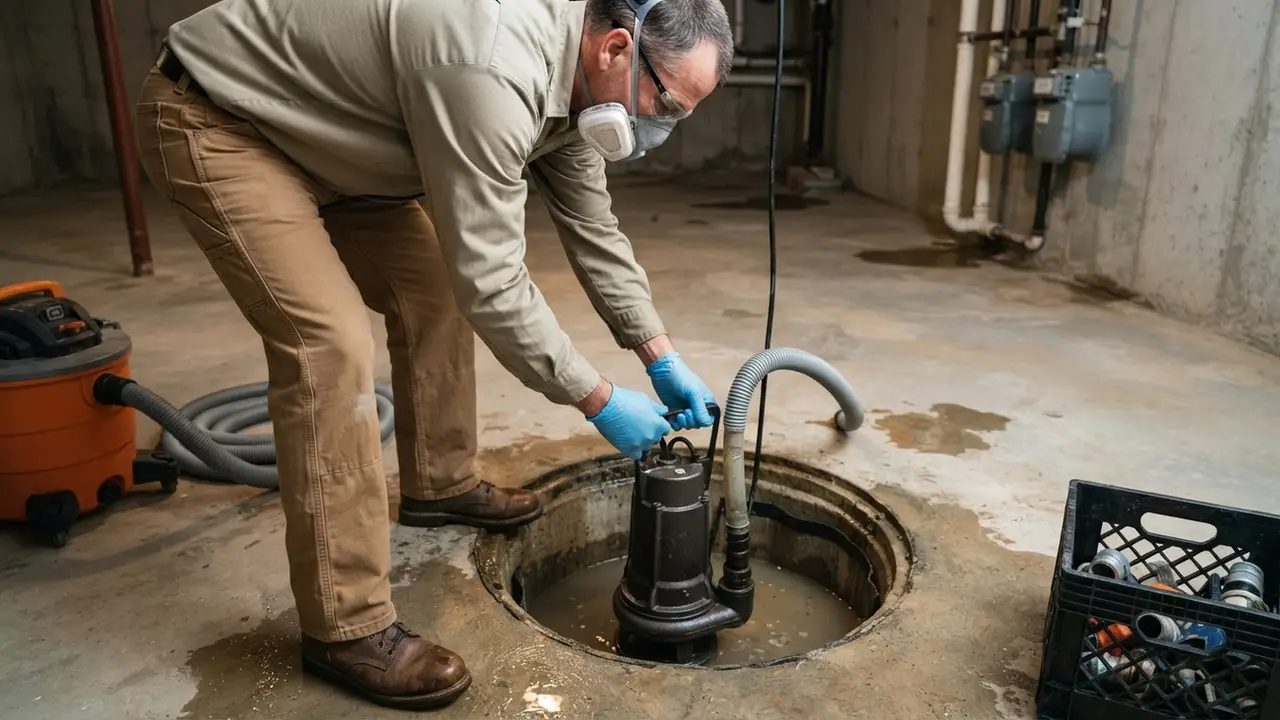
Sump pump installation and repair covers inspection, diagnosis, equipment work, and an operating test. We check the pit and visible discharge piping, then repair or replace components that are part of the pump system. Water extraction, structural drying, electrical upgrades, and repairs to a separate foundation leak are related work and are addressed according to the conditions found.
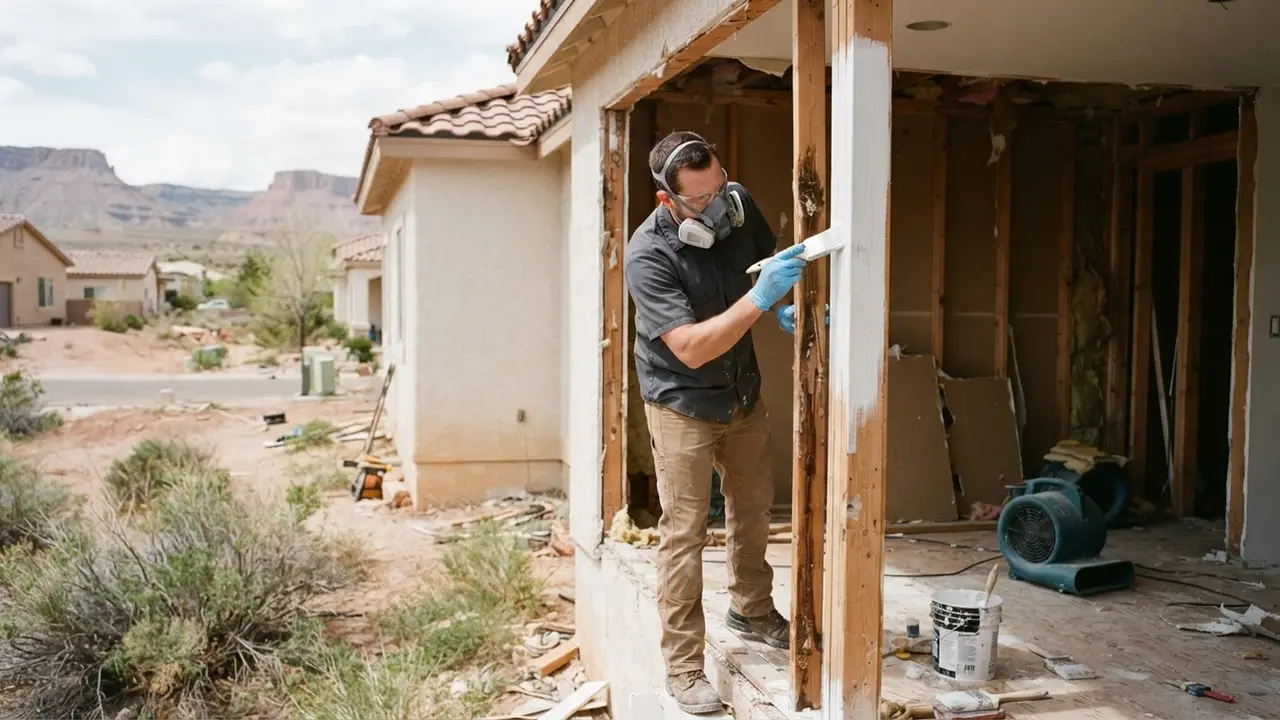
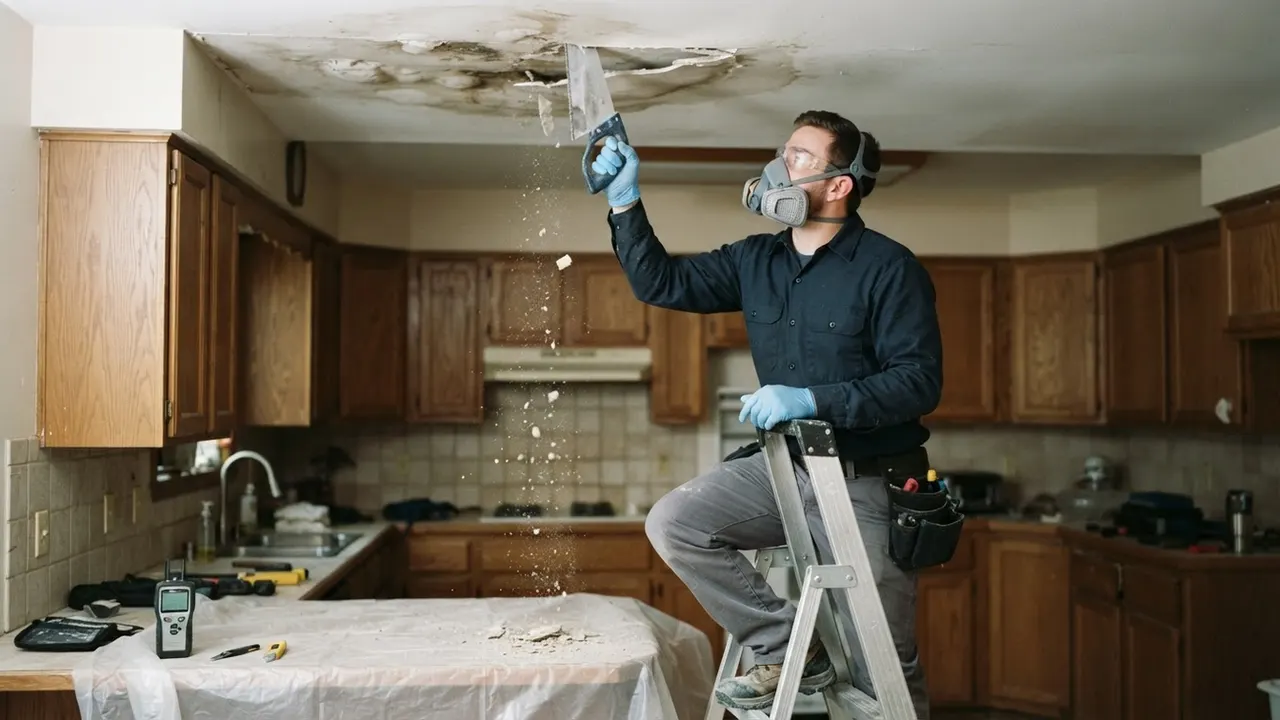
We inspect your pit, pump, float, and discharge line, then explain the repair or installation in plain terms. Homeowners and tenants get a clear test of the system before the work is complete.
We work with owners and property managers to assess pump access, water impact, and discharge conditions. The service is planned around the equipment layout and the needs of the occupied space.
Sump pump installation and repair Mesquite NV is a water-control service that removes collected groundwater from a sump pit and directs it away from a building before it reaches finished spaces. We inspect the pit dimensions, float switch, pump capacity, check valve, discharge route, and available electrical supply. For a new installation, we set the pump level, connect compatible PVC piping, and test automatic cycling. For repairs, we isolate whether the fault is mechanical, electrical, or caused by a blocked line. The work is complete only after the pump starts, moves water, and shuts off as intended.
In Mesquite, Nevada, a pump can matter in a below-grade room, crawl space, or low area exposed to a foundation leak, storm flooding, or a plumbing failure. Our team checks the source of water as well as the equipment; a pump will not correct a slab leak or a burst pipe by itself. If you are searching for professional sump pump service in Mesquite, Nevada, we assess the pit and discharge path, then explain the repair or replacement needed to protect your property.
A sump system works when the pump, switch, and discharge route function together.
Sump pump installation and repair Mesquite NV follows a practical sequence: locate the water, test the equipment, correct the fault, and verify operation. We explain what we find in plain language and keep you informed while the work is underway.
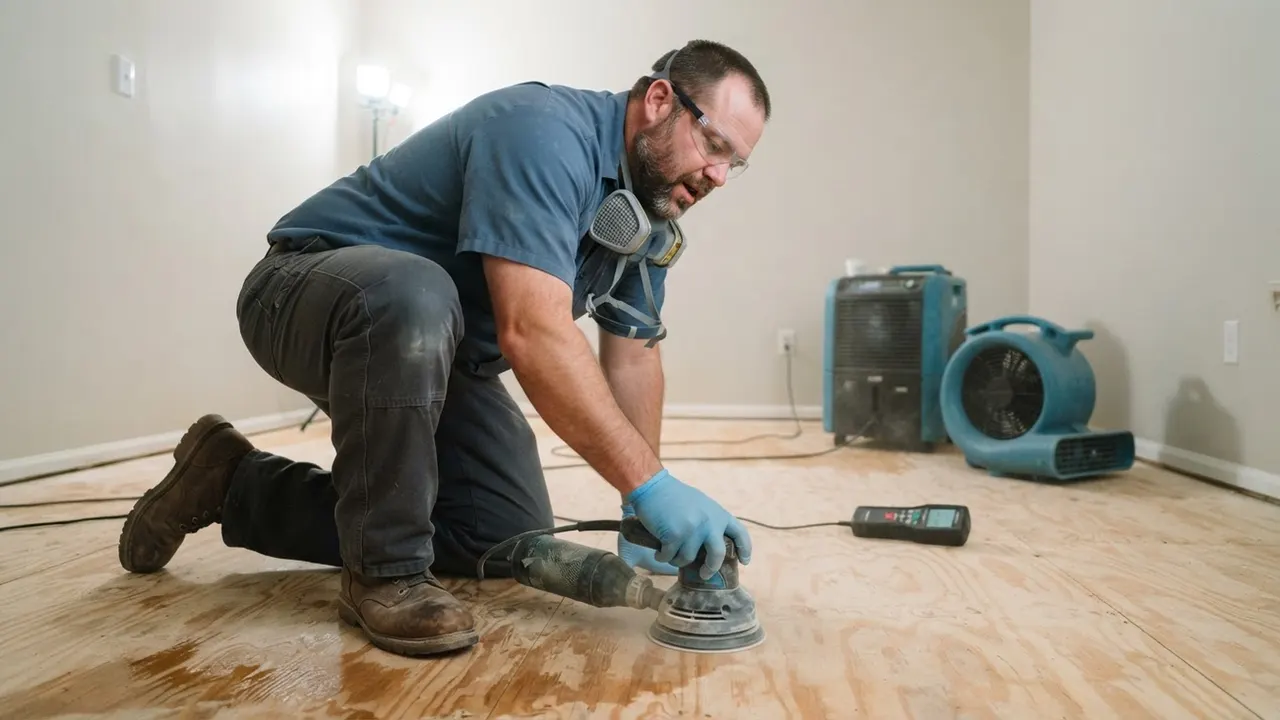
We begin by checking the sump pit, floor around it, visible piping, and nearby finishes. If water is present, we note its depth and look for clues such as a sewage backup, a plumbing leak, or water tracking along the foundation. This first visit usually takes 20 to 40 minutes, depending on access and the amount of water.
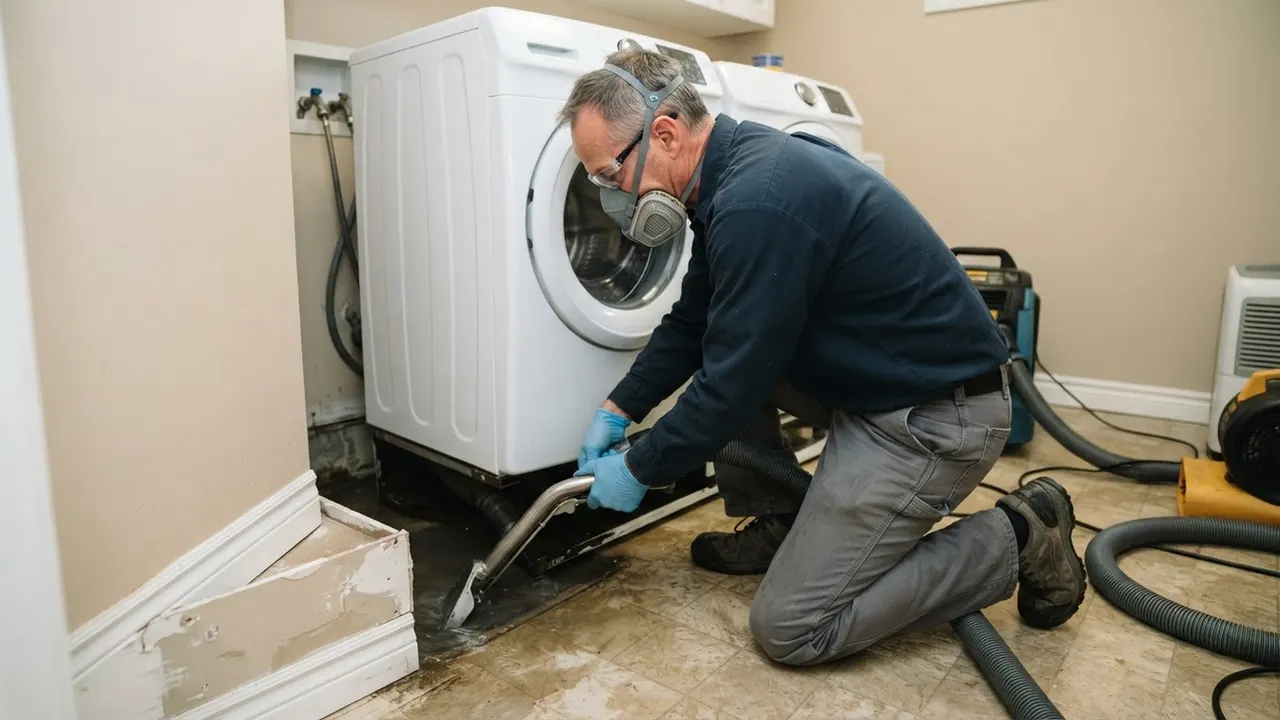
Our technician checks the float switch, impeller, inlet screen, check valve, electrical connection, and discharge outlet. We run a controlled water test when conditions allow and observe whether the pump starts and clears the pit. You can see the result, including any unusual vibration, short cycling, or restricted flow.
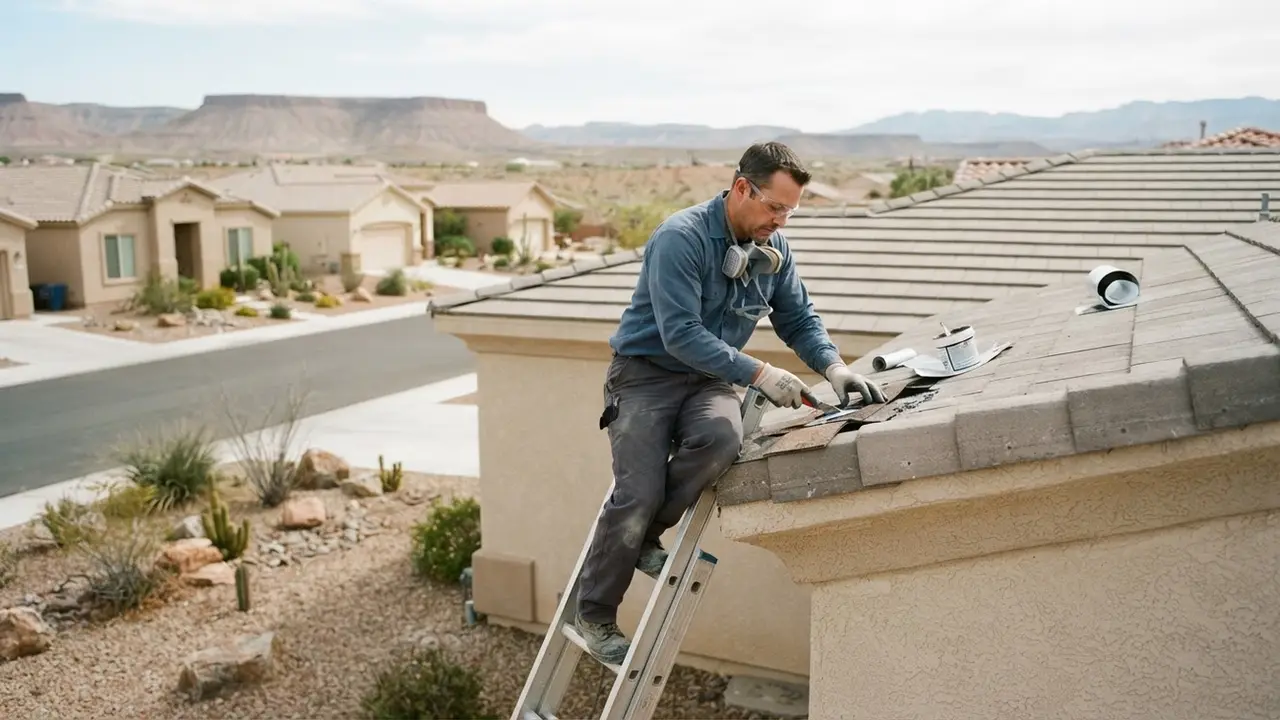
We explain whether cleaning, a switch adjustment, piping repair, or a new pump best addresses the fault. For installation, we match the pump to the pit and expected lift; for repair, we replace only failed components needed to restore operation. A straightforward repair often takes one to three hours, while a new installation can take three to six.
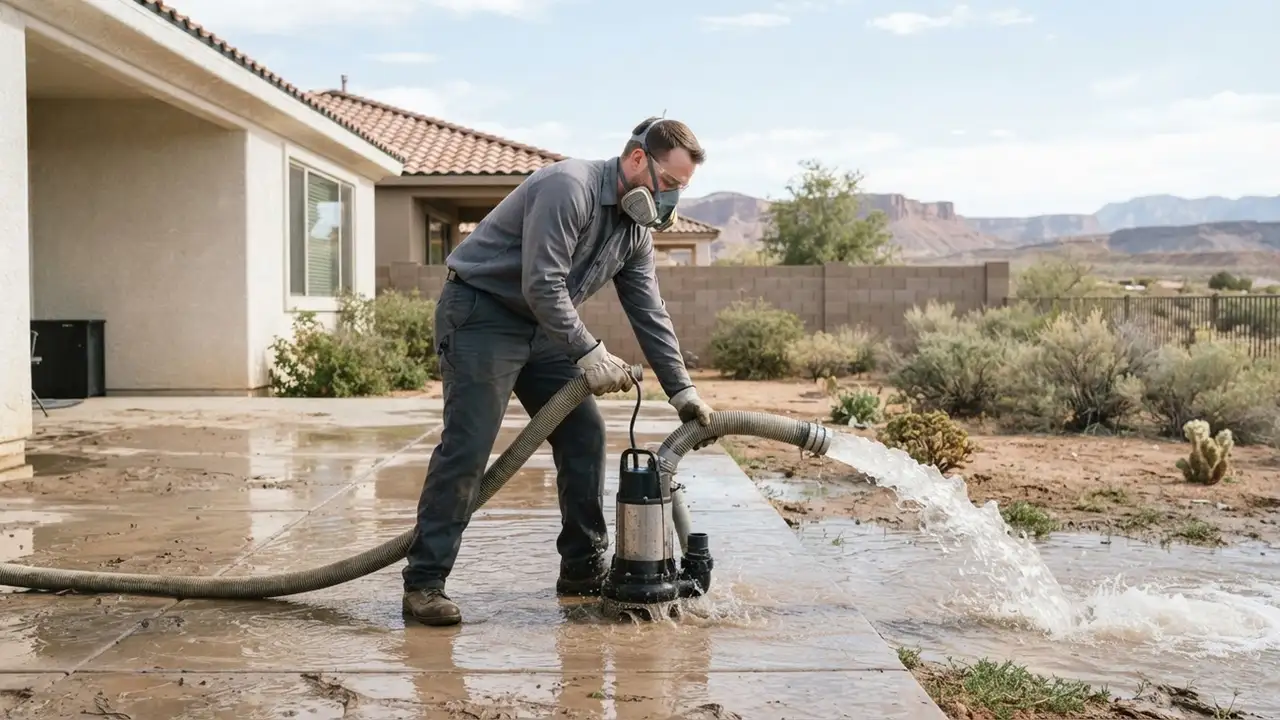
We secure the pump, adjust the float travel, reconnect the discharge, and check that the pipe directs water away from the foundation. Where PVC piping is changed, we support joints and confirm the check valve orientation. We keep the work area orderly and tell you before a change affects the planned work.
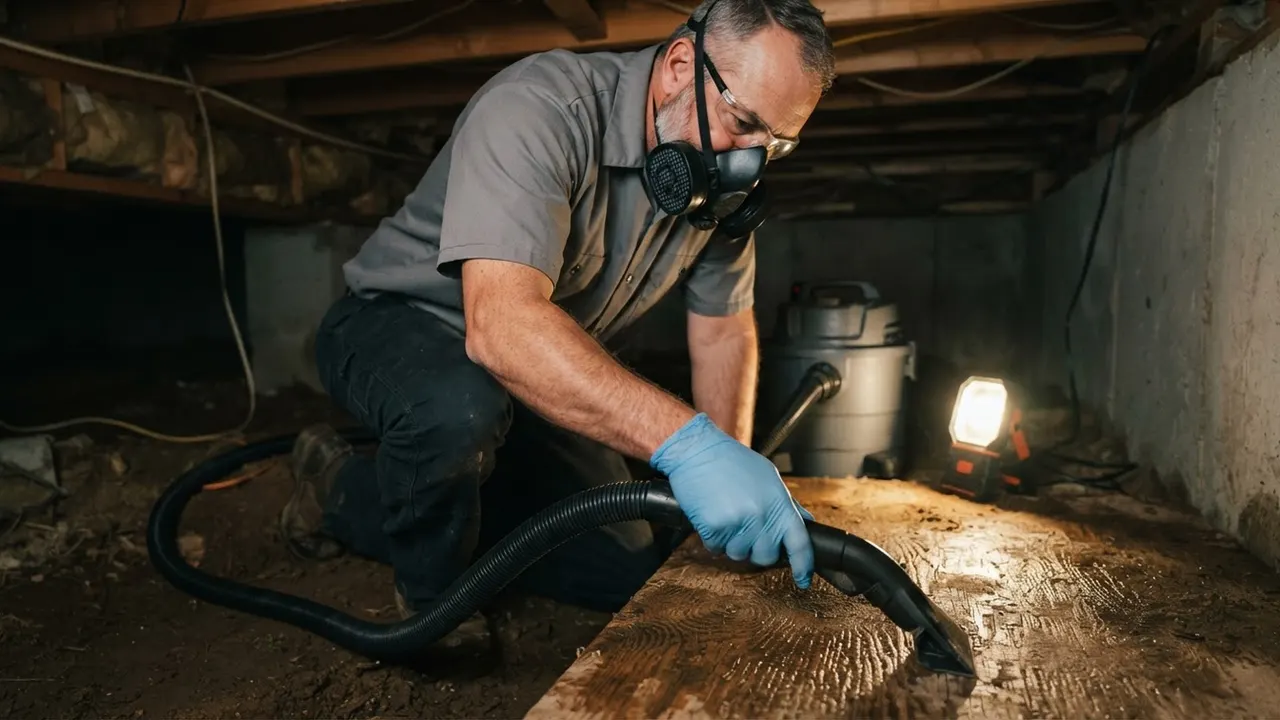
Before wrapping up, we cycle the pump through at least two starts when the pit and water supply allow. We listen for abnormal sounds, check discharge flow, and confirm the float resets. You receive a clear explanation of what was repaired or installed and what simple checks to perform each month.
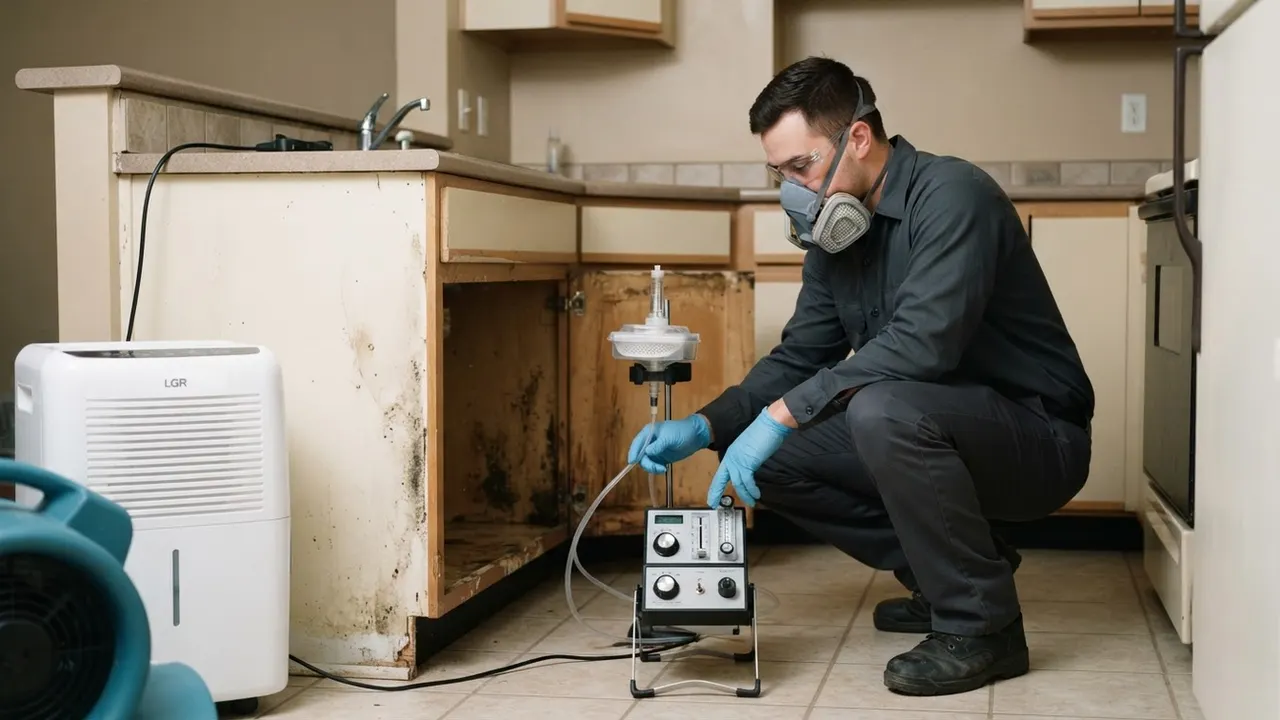
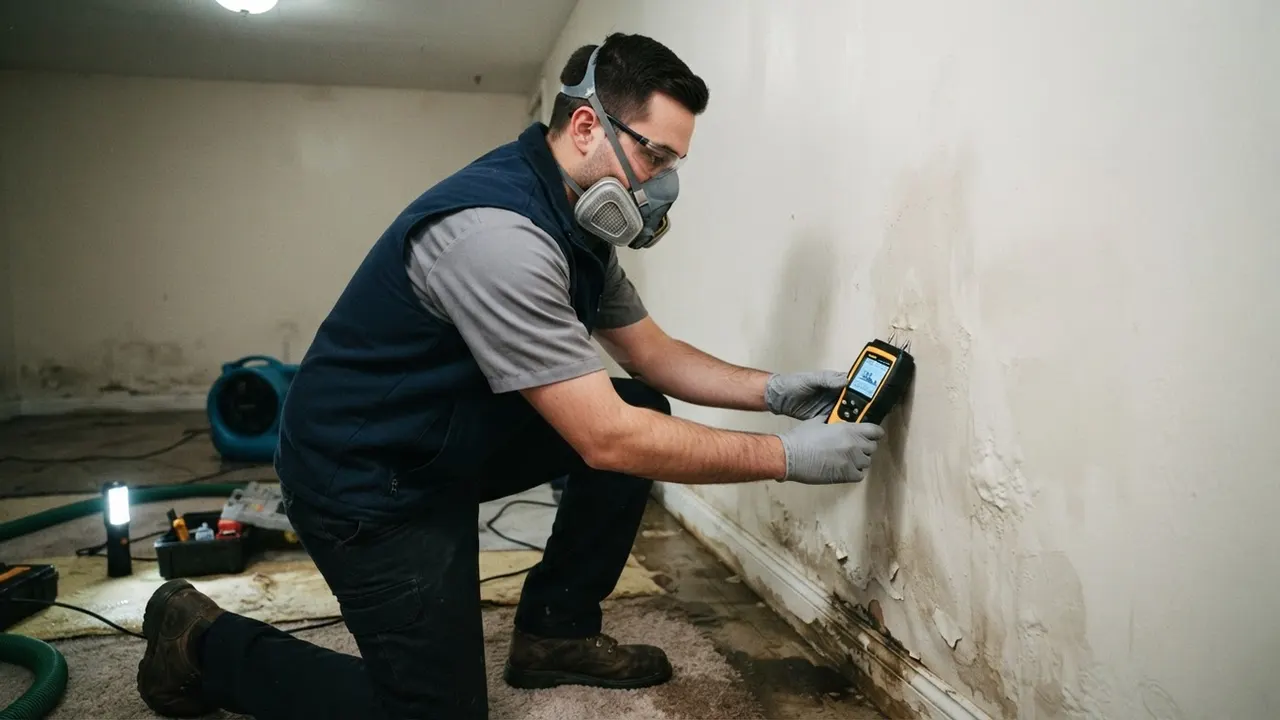
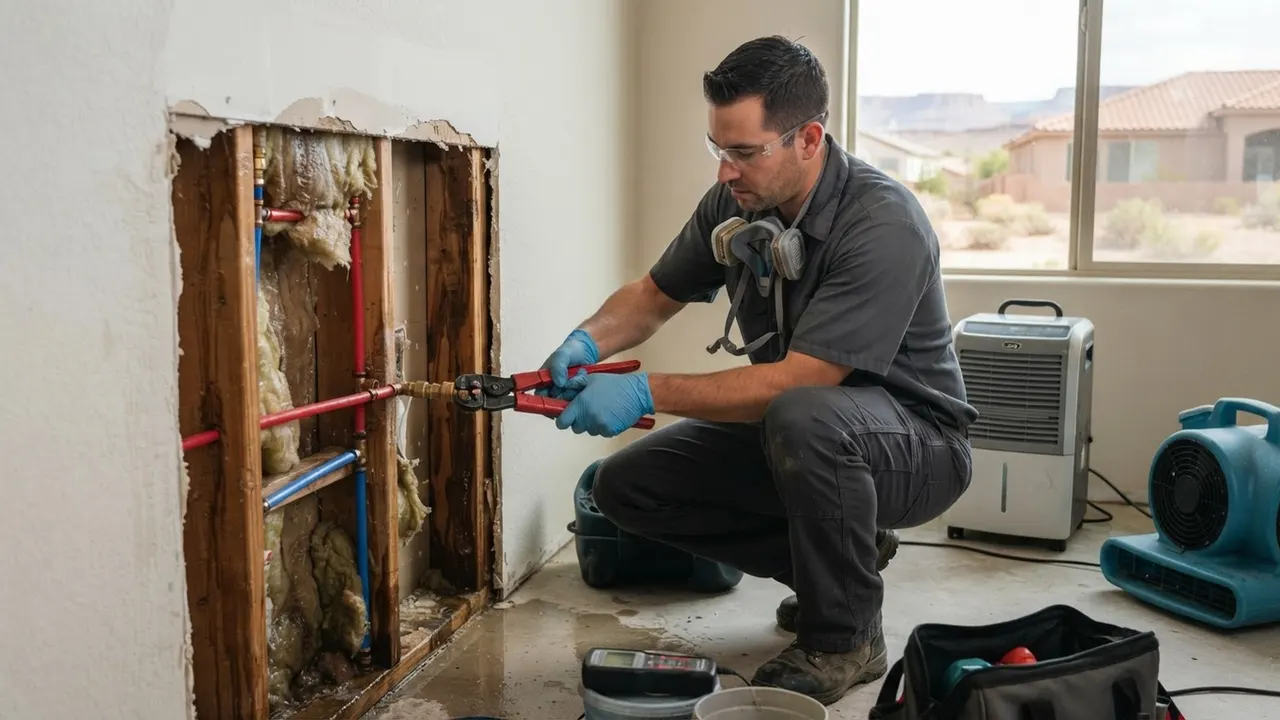
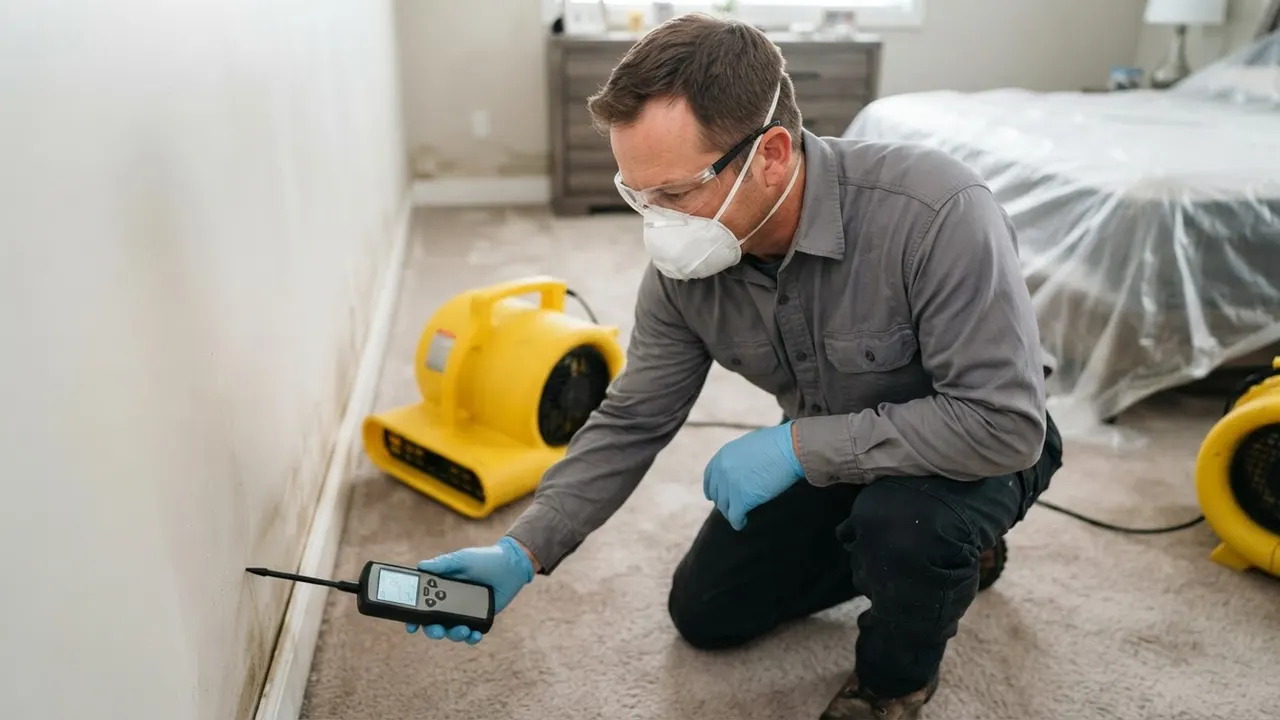
We measure dampness in accessible building materials near the pit, helping distinguish a surface spill from moisture that has moved into drywall or baseboards.
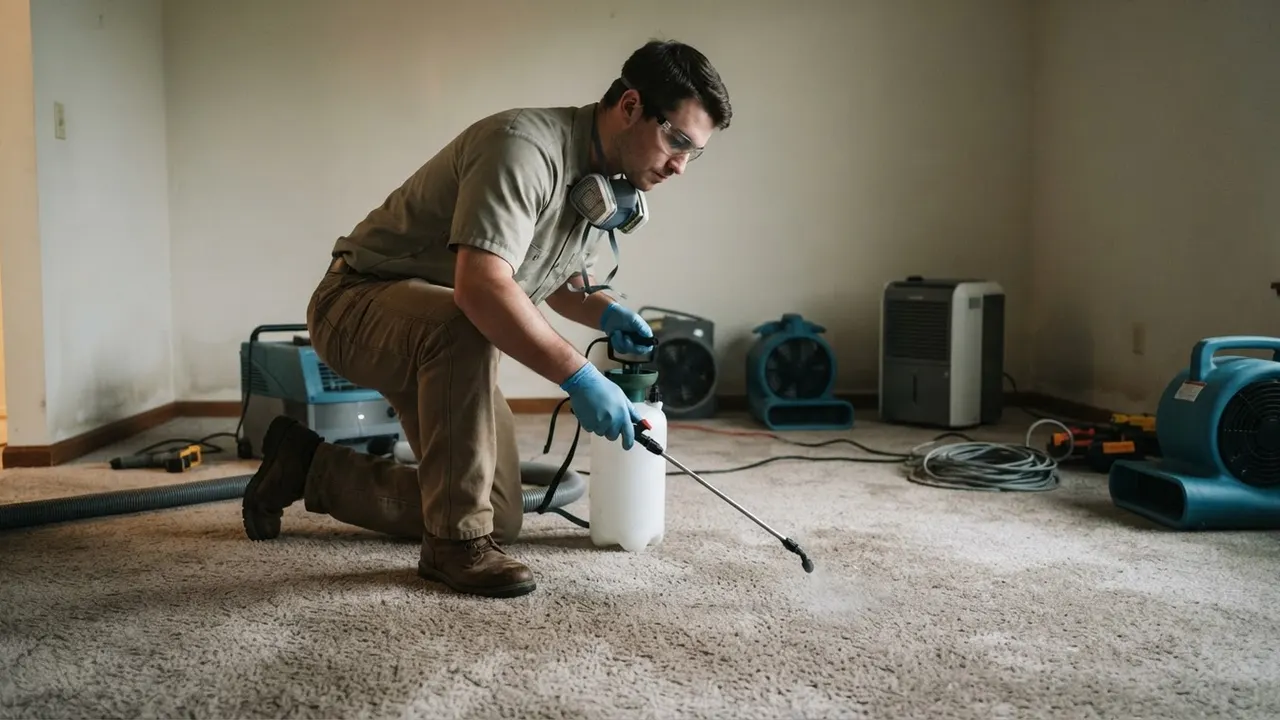
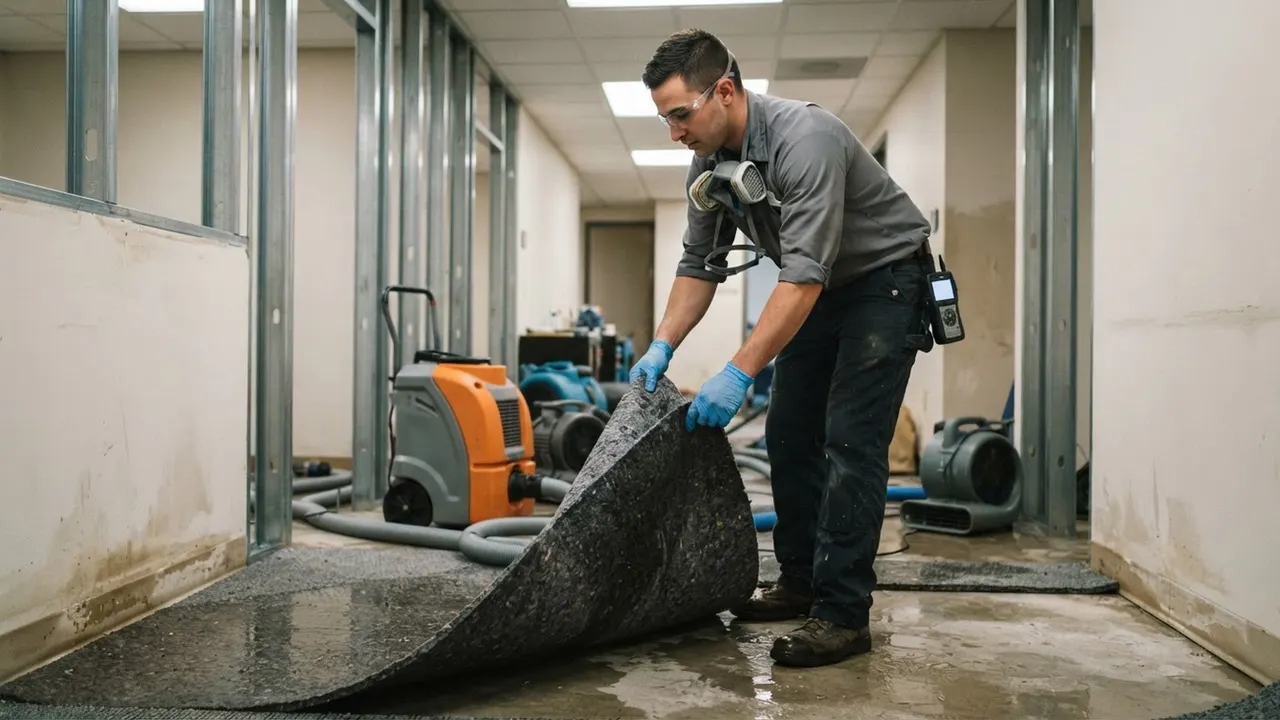
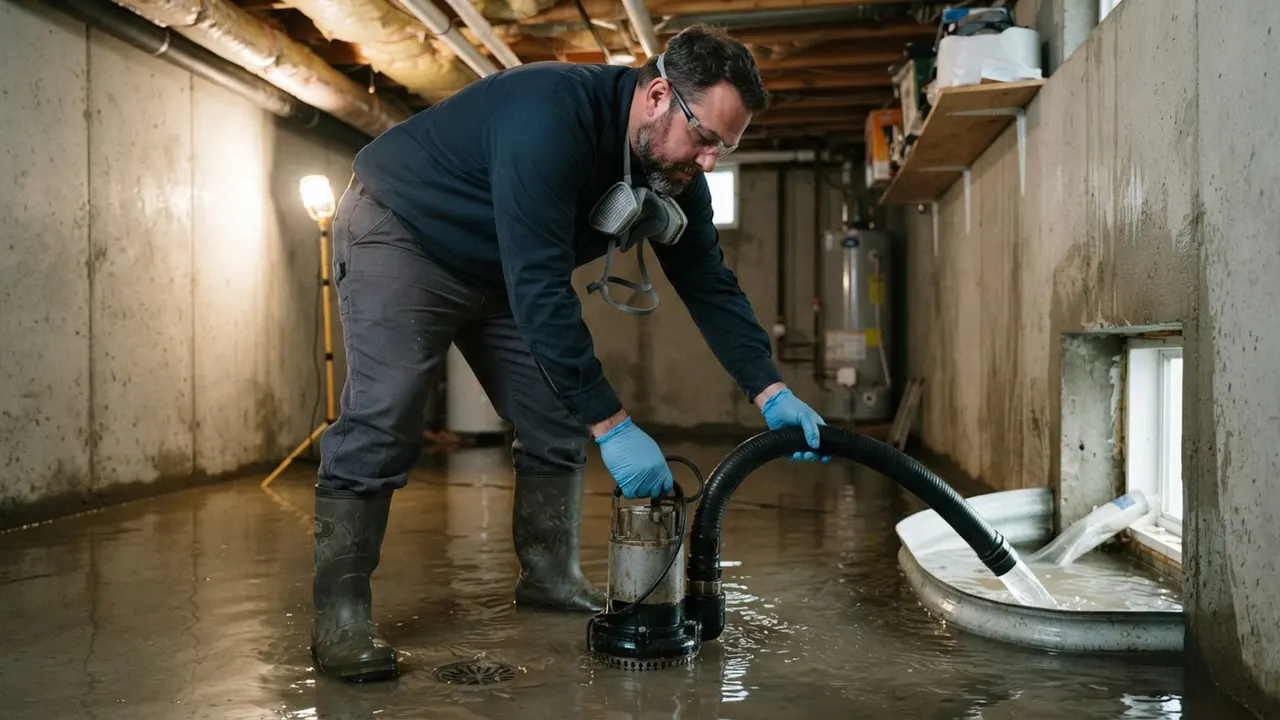
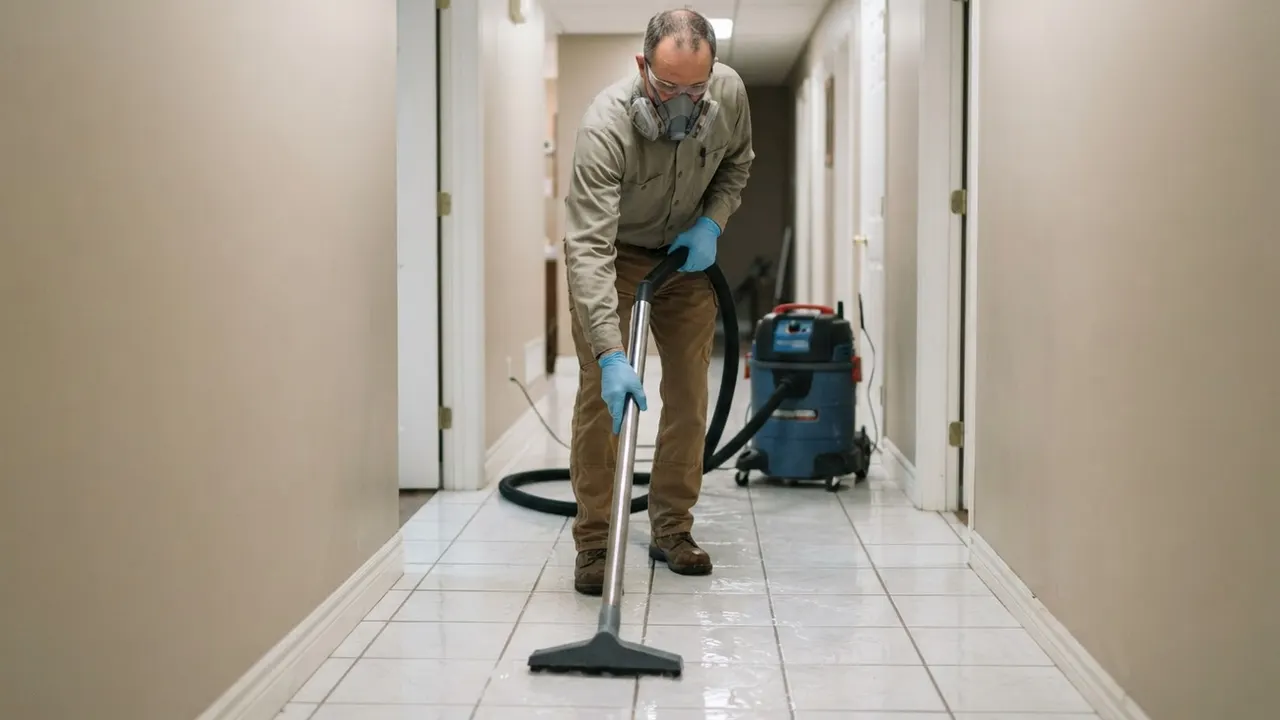
When a pump failure leaves standing water, we use extraction equipment to remove accessible water before evaluating what further drying the room requires.
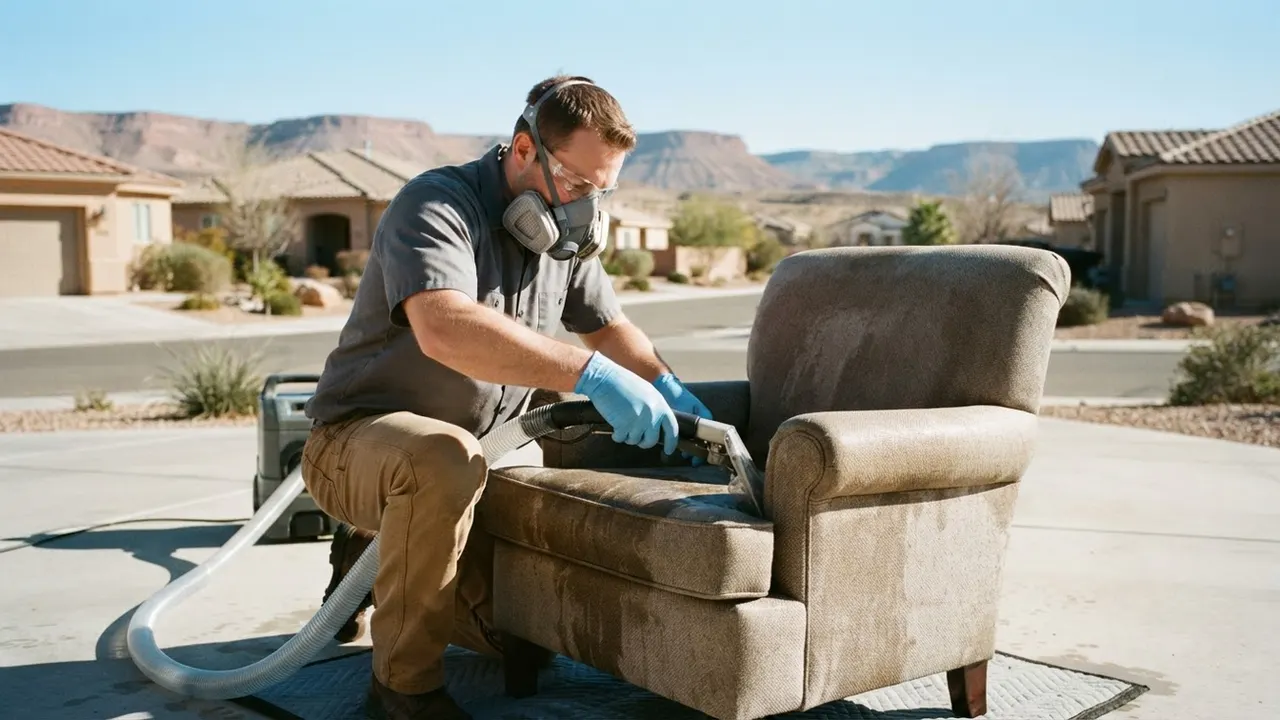
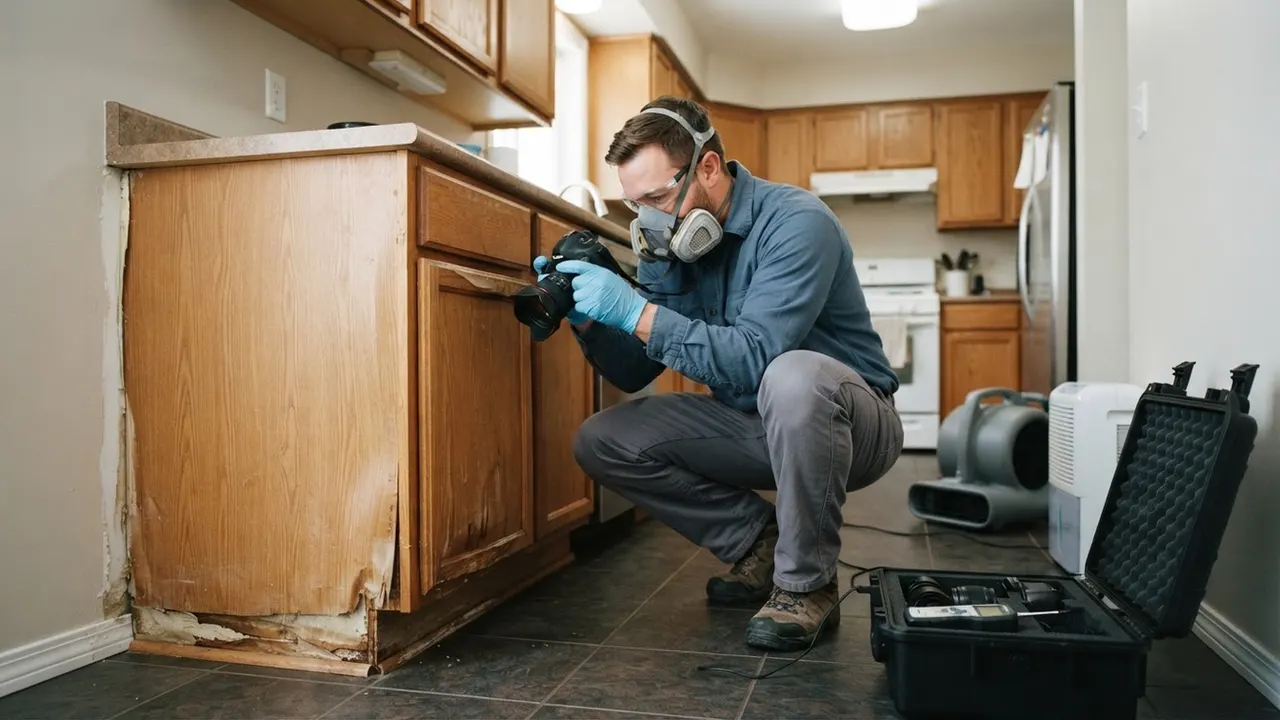
We use thermal patterns to guide inspection of a damp area and identify locations for direct moisture checks; the camera supports, but does not replace, material measurement.
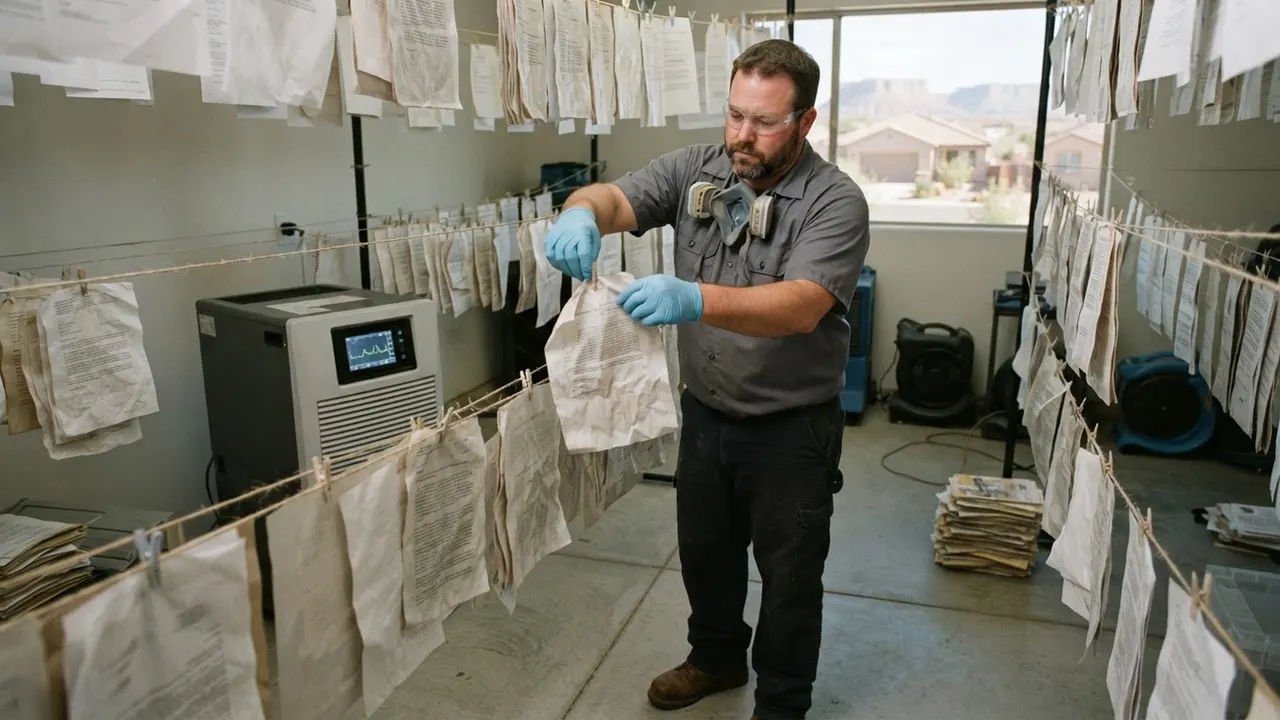
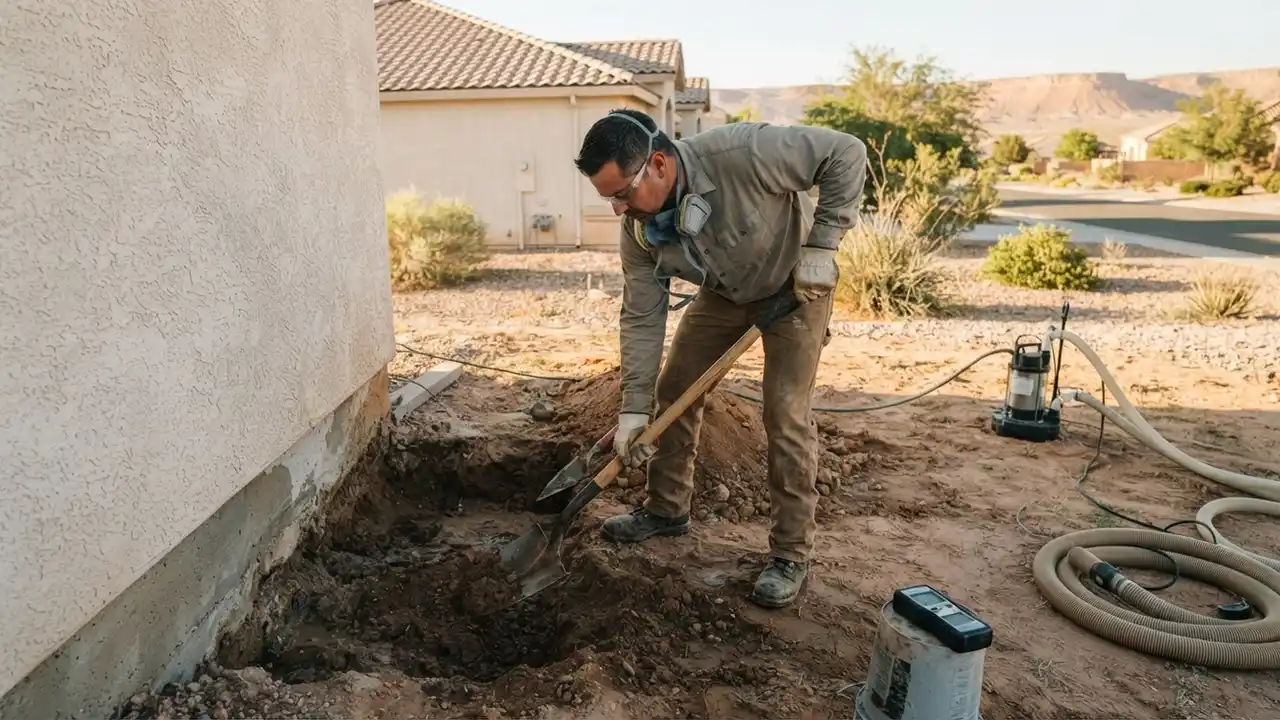
Compatible PVC piping carries discharge away from the pump. We inspect visible joints and route direction, and check that connections do not leak or direct water back toward the foundation.
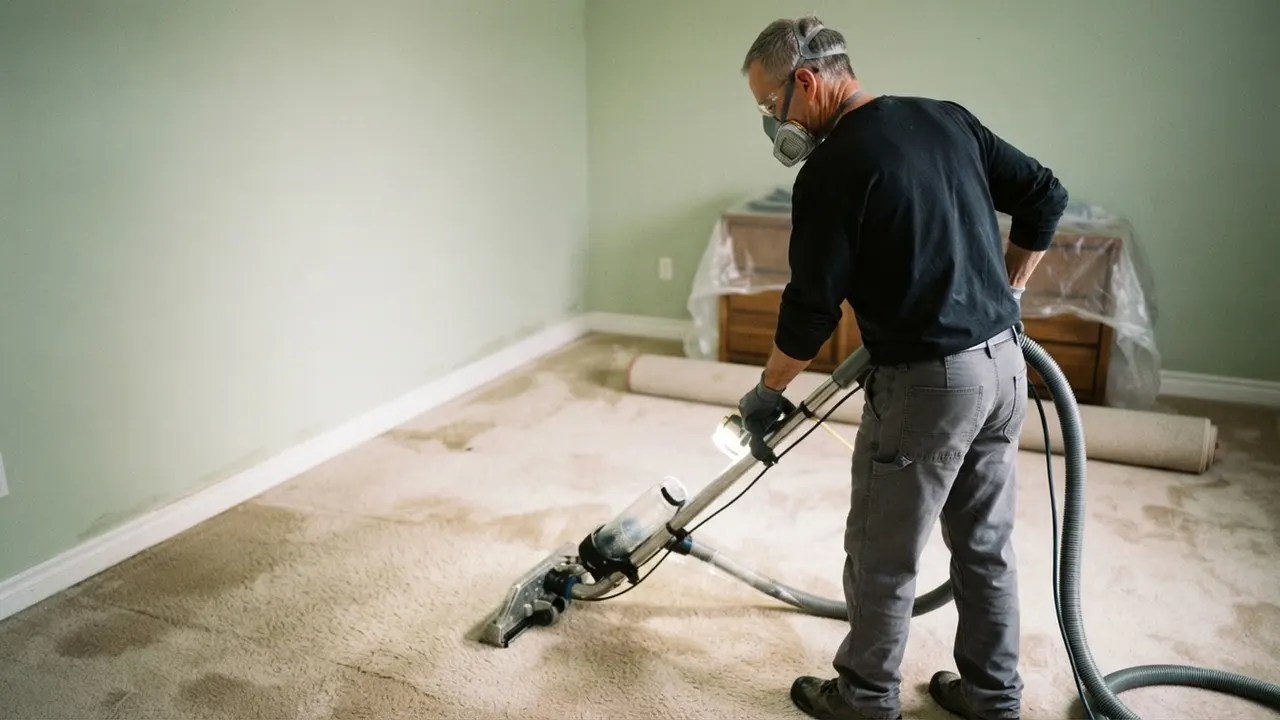
After water removal, a dehumidifier can help reduce excess humidity in an affected room. We use measured conditions to decide whether equipment is appropriate and where it should operate.
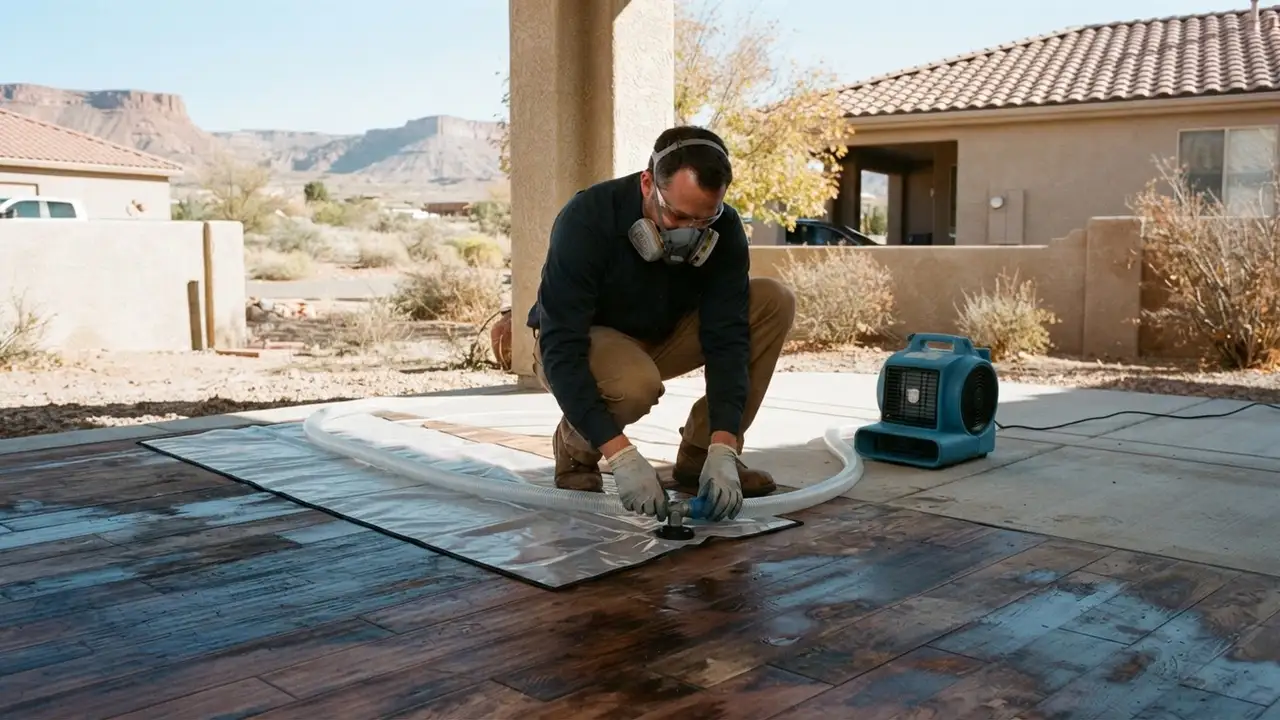
We add water to the pit when conditions allow and watch the float rise through its normal travel. The test confirms activation, pumping, shutoff, and reset. If the float catches or the pump short-cycles, we correct that condition and repeat the test before finishing.
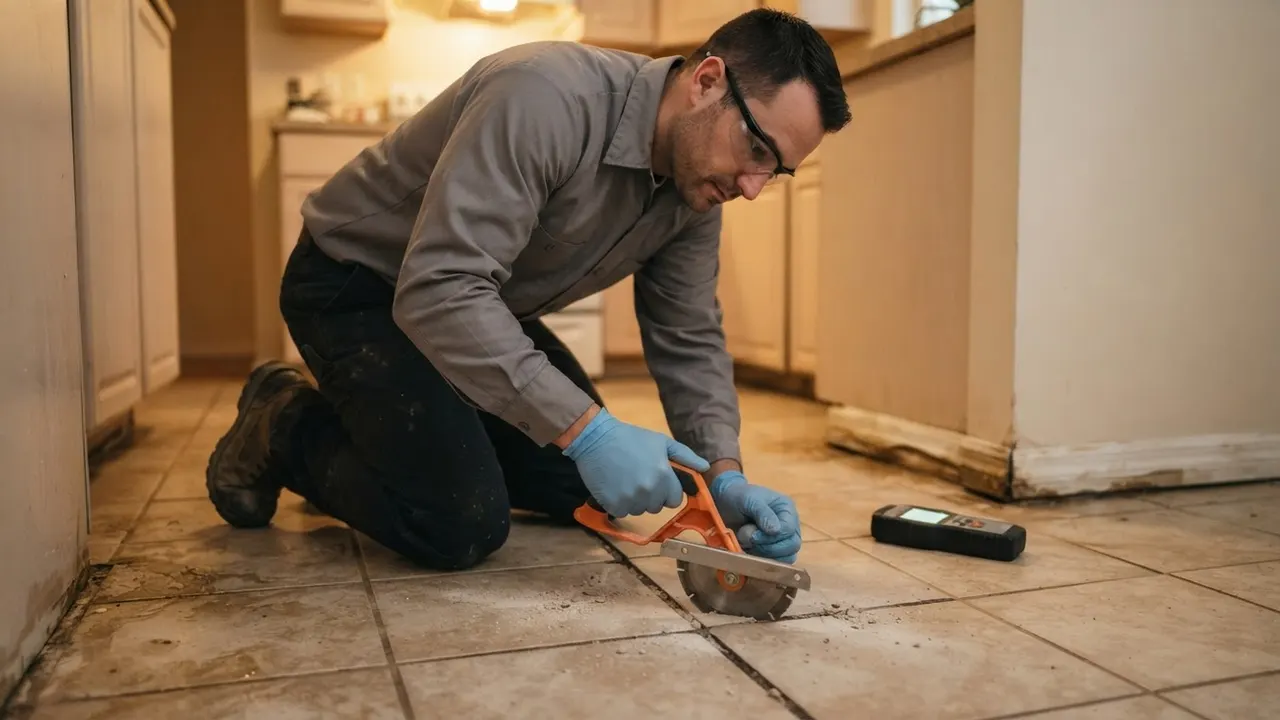
We inspect the visible discharge line, check-valve orientation, joints, and outlet direction. During operation, we look for leakage and listen for water returning to the pit after shutdown. This check helps identify piping problems that can undermine an otherwise functional pump.
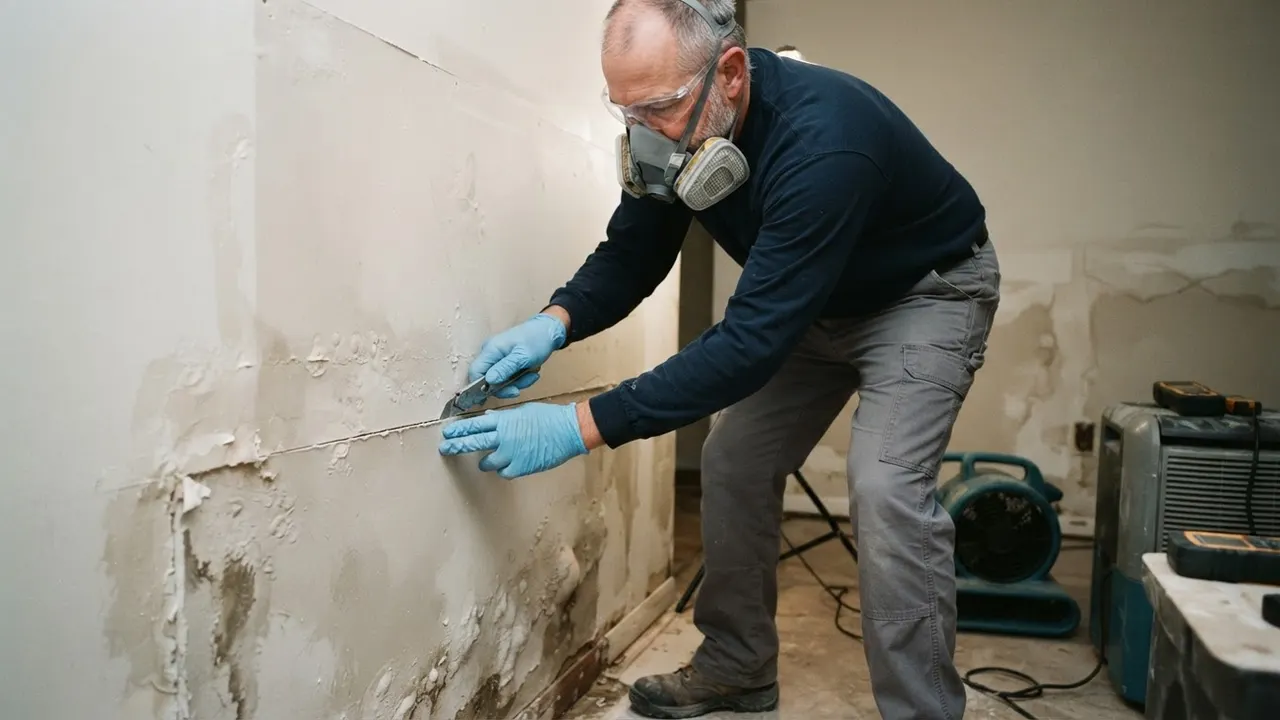
After water is removed, we inspect nearby flooring and wall edges and take moisture readings where materials appear affected. Those results help determine whether drying is needed and where equipment should be placed. We do not treat a dry-looking surface as proof that the underlying material is dry.
We inspect the pit and electrical response, then test the float and motor to identify why the unit did not start. We remove accessible standing water if needed and check the discharge path once the pump can run. If the leak remains active, we help identify the next repair needed to stop inflow. You know whether the pump needs a switch, component repair, or replacement, and whether water removal or drying is also required.
We check pump capacity, pit inflow, and the discharge route, while removing water from affected surfaces where required. The team looks for debris or a blocked outlet and watches a test cycle. If stormwater has reached walls or flooring, we assess those materials for moisture. The system is tested under controlled conditions, standing water is addressed, and you receive clear next steps for affected finishes.
We inspect the impeller, float travel, check valve, and pit level to determine whether the noise comes from a blockage, cycling issue, or worn unit. If replacement is appropriate, we match the new pump to the pit and discharge lift, then test multiple cycles. You get a functioning pump selected for the setup, plus a clear explanation of the parts changed and the operating test.
We check the pump's power, float, pit water, and visible discharge connections, then look for dampness around the surrounding floor and walls. We test the system and document visible conditions for the property contact. If water has reached stored contents or finishes, we explain the needed cleanup. The property contact receives a practical account of the pump condition, water impact, and work needed to reduce the risk of another overflow.
Mesquite properties face different drainage conditions, so we do not select a pump by horsepower alone. We check pit size, vertical lift, expected inflow, power access, and where the discharge can safely carry water. In lower rooms and crawl spaces, a long or restricted outlet can reduce performance even when the motor runs. Our sump pump service Mesquite NV includes a practical review of those parts and the surrounding floor. During the cooler months, we also ask about exposed piping and past frozen-pipe problems; in warmer months, sudden storms can bring water into low areas quickly. If you need same day sump pump repair Mesquite NV, tell us whether the pit is rising, the pump is running, and where water is collecting. We serve Mesquite, Nevada, throughout Clark County, and can coordinate water extraction or structural drying if the pump failure has already affected finished materials. We check visible conditions and discuss code-related concerns without assuming every property has the same installation.
A homeowner noticed water rising in a crawl-space pit, but the pump did not start when the float lifted. The pit contained debris, and the nearby floor was damp. The cause was unclear: the unit had power, yet the float appeared restricted and the discharge line had not been tested.
We cleared the obstruction, corrected the float position, and ran two controlled cycles. The pump started as the water reached the activation point and emptied the pit in under four minutes during the test. We also checked the visible discharge joints for leakage and reviewed the damp floor area.
Check the pit monthly for debris and pour in enough water to lift the float. Watch for a full start, discharge, and shutoff cycle. Call if the pump stays silent or runs continuously.
A utility-room pump restarted every few minutes, even when the pit looked nearly empty. The homeowner heard a brief thump after each shutdown and worried the motor was failing. Inspection showed water returning through the visible discharge connection, causing repeated activation and unnecessary cycling.
We corrected the check-valve connection and tested the line through three cycles. The pump emptied the pit without the same rapid refill, and the connection stayed dry during operation. The homeowner also received a clear explanation of how to recognize a return-flow problem before it wears down the replacement components.
Listen for repeated starts when no water is entering the pit. Check the visible pipe for dripping after shutdown and keep the outlet unobstructed. Arrange service if short cycling returns.
After a storm, a pump failure left several inches of water across part of a lower room. Carpet padding and the bottom edge of drywall were damp, while stored boxes had absorbed water. Restarting the pump alone would not address moisture already present in the finishes.
We restored pump operation, removed standing water, and used moisture readings to map damp areas. The water depth fell from roughly two inches to a dry floor surface after extraction, and affected materials were identified for drying or replacement. The customer could distinguish pump work from restoration work.
Test the pump monthly and keep storage raised above the floor. After any overflow, remove wet contents promptly and check adjacent wall edges for dampness instead of relying on surface appearance.
A pump failure can turn a small pool into wet flooring, damaged storage, or lingering moisture in a lower room. We address the pump and check for a contributing water source, then explain which conditions need immediate correction and which need follow-up drying.
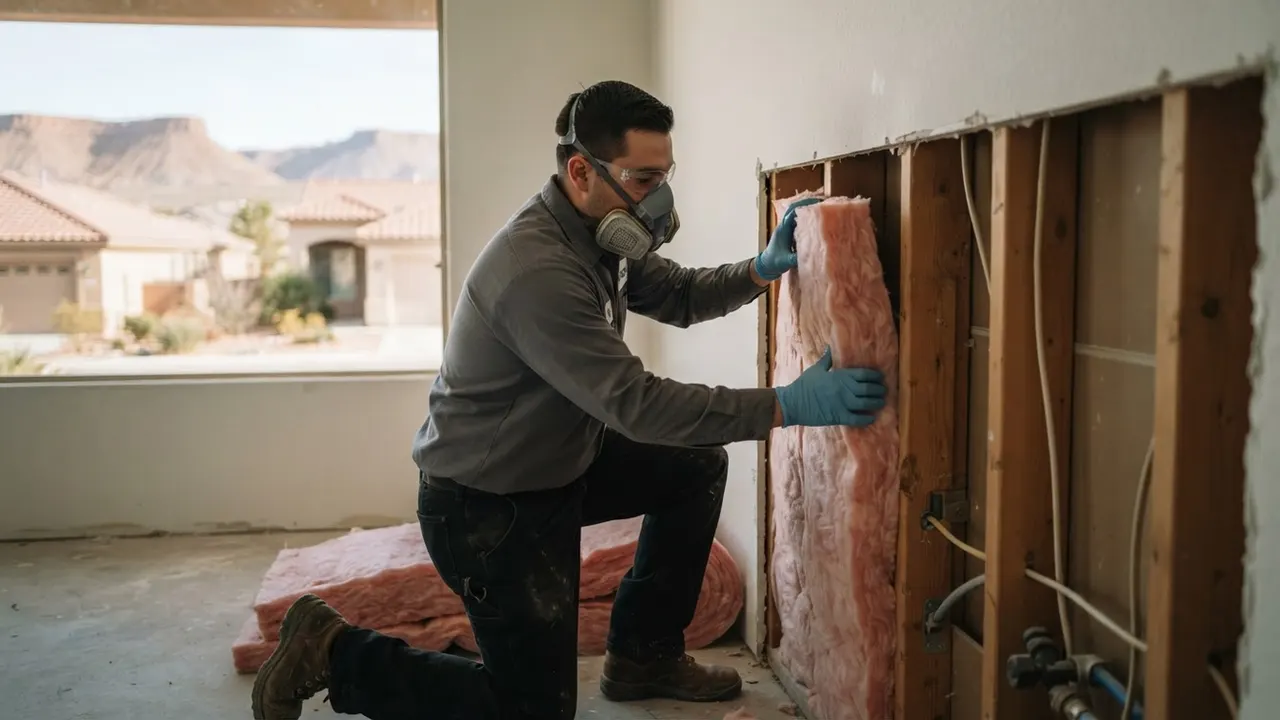
We check the outlet for restrictions, inspect the check valve, and observe the pump during a controlled test. If water still does not move, we assess the impeller and motor response. We also look for a leak adding water faster than the pump can clear it, so the correction addresses the cause rather than only the symptom. A blocked discharge, failed impeller, or excessive inflow can keep the motor running without removing water, increasing wear and allowing the pit to overflow.
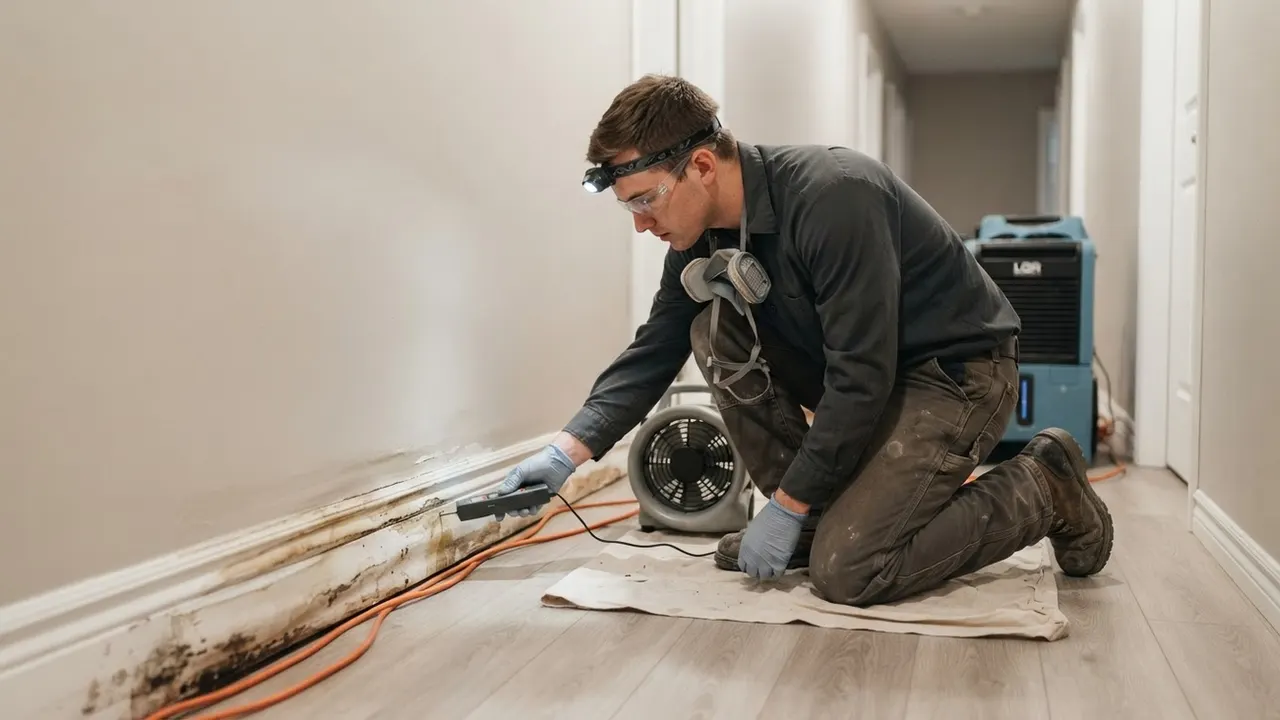
We inspect float travel and clear obstructions in the pit, then adjust or replace the switch when needed. Afterward, we cycle the system and confirm the pump starts at the intended level and shuts off after the pit empties. We show you the float movement so you know what normal operation looks like. The pump may remain silent while water rises, or it may activate repeatedly at the wrong level and wear out sooner than expected.
We inspect check-valve orientation, visible pipe joints, and the discharge outlet for leaks or poor routing. We correct the pump-side issue and test the line for returning water. If the outlet route itself needs larger changes, we explain the practical options and how they affect drainage at your property. Backflow can refill the pit, trigger short cycles, and keep moisture close to the building instead of directing it away from the structure.
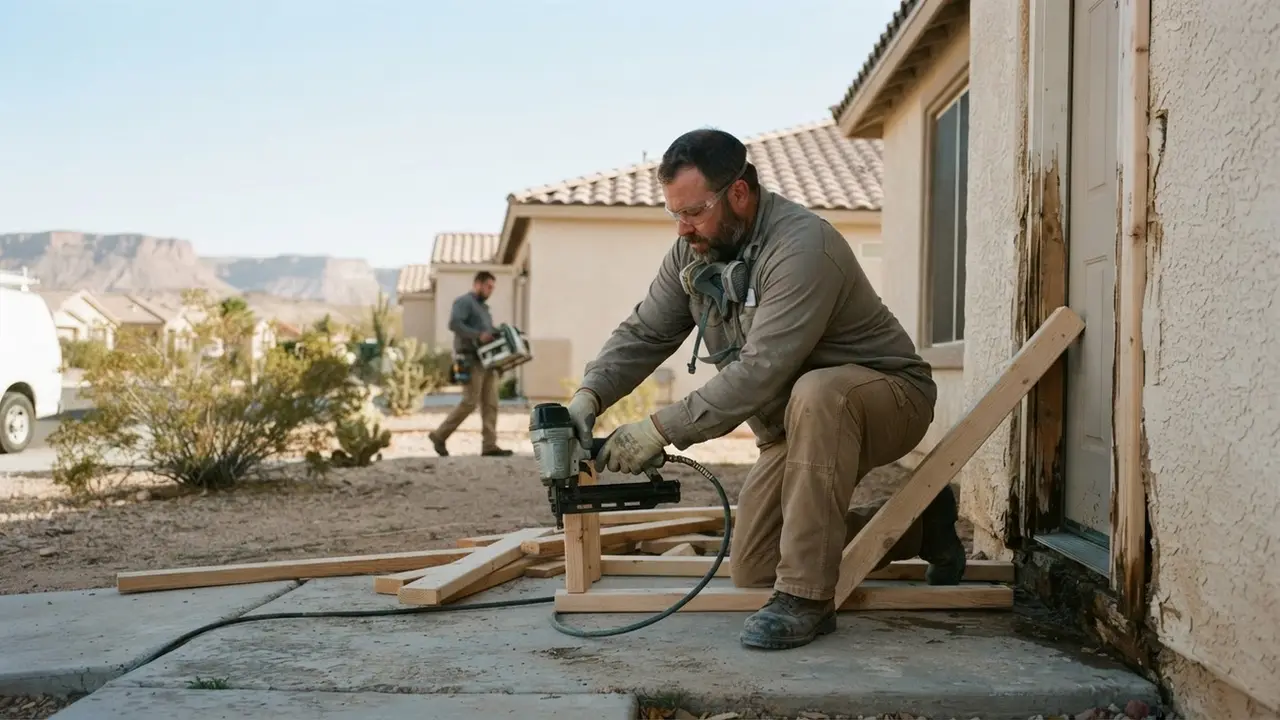
We confirm that the pump is clearing water, then assess the affected room and measure damp materials. If needed, we use water extraction and drying equipment to address the remaining moisture. You get a separate explanation of pump repairs and restoration steps, with the water source treated first. Restarting the equipment does not remove moisture already absorbed by carpet padding, baseboards, or nearby drywall, leaving materials vulnerable to continued damage.
A correctly sized pump clears collected water through a suitable discharge line instead of leaving it to seep across the floor. We verify that the float activates and that the discharge does not immediately return water toward the foundation. For an existing failure, sump pump repair Mesquite restores the system's basic operation and helps limit the area exposed to standing water.
We check the switch, inlet screen, power connection, and check valve rather than replacing a pump based on noise alone. A float stuck just a few inches above its normal travel can prevent the motor from starting. Identifying that issue during service helps you avoid another failure during a storm or a plumbing leak.
Pit depth, water inflow, vertical lift, and pipe diameter all affect pump selection. We consider those measurements before recommending a replacement, so a small pit is not paired with equipment that short-cycles. A basement sump pump Mesquite property owners rely on should fit the site's actual drainage conditions.
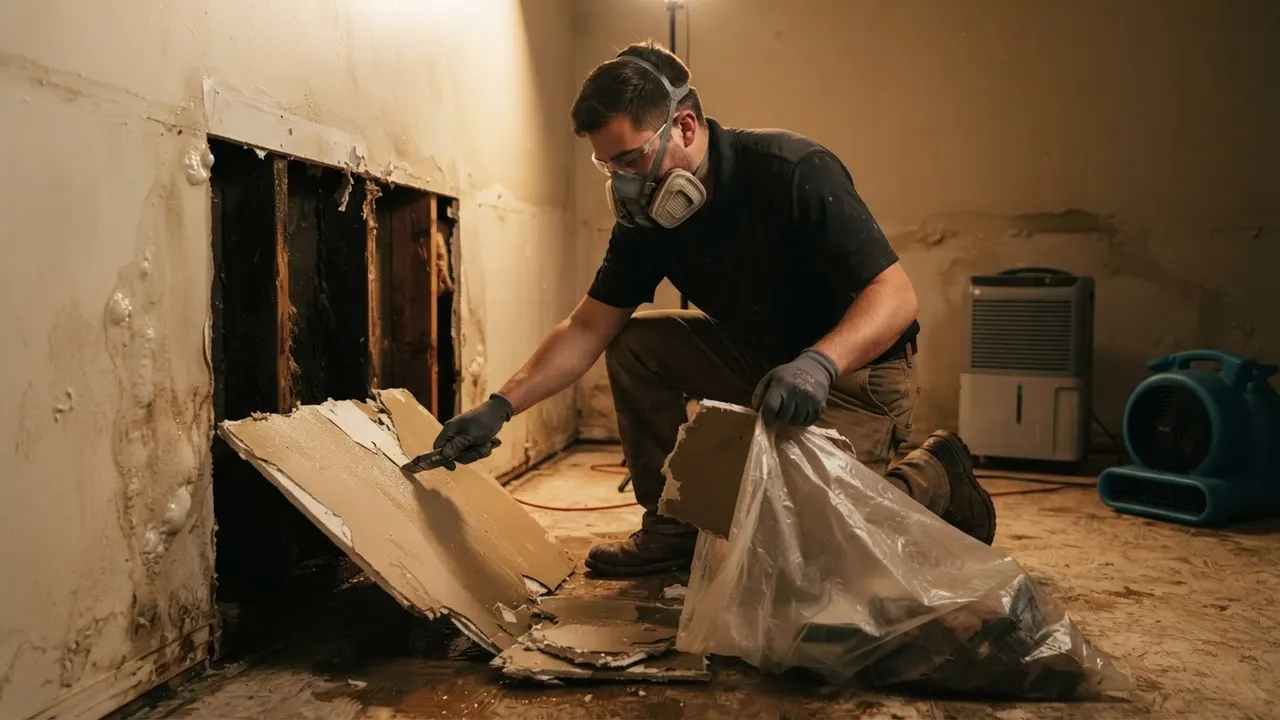
If the pump failure has already wet drywall, carpet padding, or stored items, we identify the affected area and explain what needs water removal or drying. Our inspection can include a moisture meter reading and a practical repair sequence. You get a functioning pump plan and a clear view of any separate water-damage work.
Clear records you can keep and share.
Pump, float, pit, and visible pipe conditions explained.
Observed pump start, water movement, and shutoff.
Clear separation of pump work and drying needs.
A pump with a high output can still fail to protect a room if its float sticks or its discharge is restricted. The pit, switch, and outlet must work as one system.
The float must rise freely to activate the pump. Debris or a tight pit can prevent movement even when the motor still works.
Water needs a clear path away from the building. A blocked line or returning flow can cause repeated cycling and poor pit drainage.
Restarting the pump removes water from the pit, not moisture absorbed by nearby materials. Wet flooring and wall edges need their own assessment.
Outside these neighborhoods? Call and ask about service in your area. (833) 546-4116
A basic sump pump repair often varies while a new installation commonly varies. The final price depends on pump capacity, pit condition, discharge piping, electrical needs, and access. We inspect those factors and explain the price before work begins. If water damage has spread into flooring or drywall, drying and material repairs are separate from the pump work.
Common causes include a stuck float, tripped power, a clogged inlet, a failed motor, or a blocked discharge line. First, avoid standing water near electrical equipment and do not reach into a flooded pit. Our technician tests each component and checks whether water is returning through the pipe. For sump pump repair after flood Mesquite NV, we also look for debris or damage left by the water event.
Check the pump monthly and schedule a hands-on service at least once a year. Pouring a few gallons of water into the pit can confirm that the float rises, the pump starts, and water exits through the discharge. Clear debris from the pit and listen for grinding or repeated short cycles. We can inspect the check valve, switch travel, and visible pipe condition during annual maintenance.
You may need one if water repeatedly collects in a basement, crawl space, or low foundation area. A pump is not a fix for every leak, so we first identify whether the source is groundwater, a plumbing failure, or surface runoff. We look at the history of standing water, drainage, and the condition of the pit. If a pump is appropriate, we size it to the space and discharge route.
A pump that will not start or clear water needs a direct diagnosis. Our technicians inspect the pump, pit, and discharge route, then explain the repair. Call Mesquite Water Damage Company at (833) 546-4116 to discuss your sump pump problem.
Call (833) 546-4116 to explain what happened and where water is collecting. We take calls for water damage requests and connect you with an independent company that can discuss service details directly. If the leak is active, shut off the source when safe and tell us whether the water reached electrical equipment, flooring, or more than one room.