Emergency Water Damage Repair in Sherwood Forest

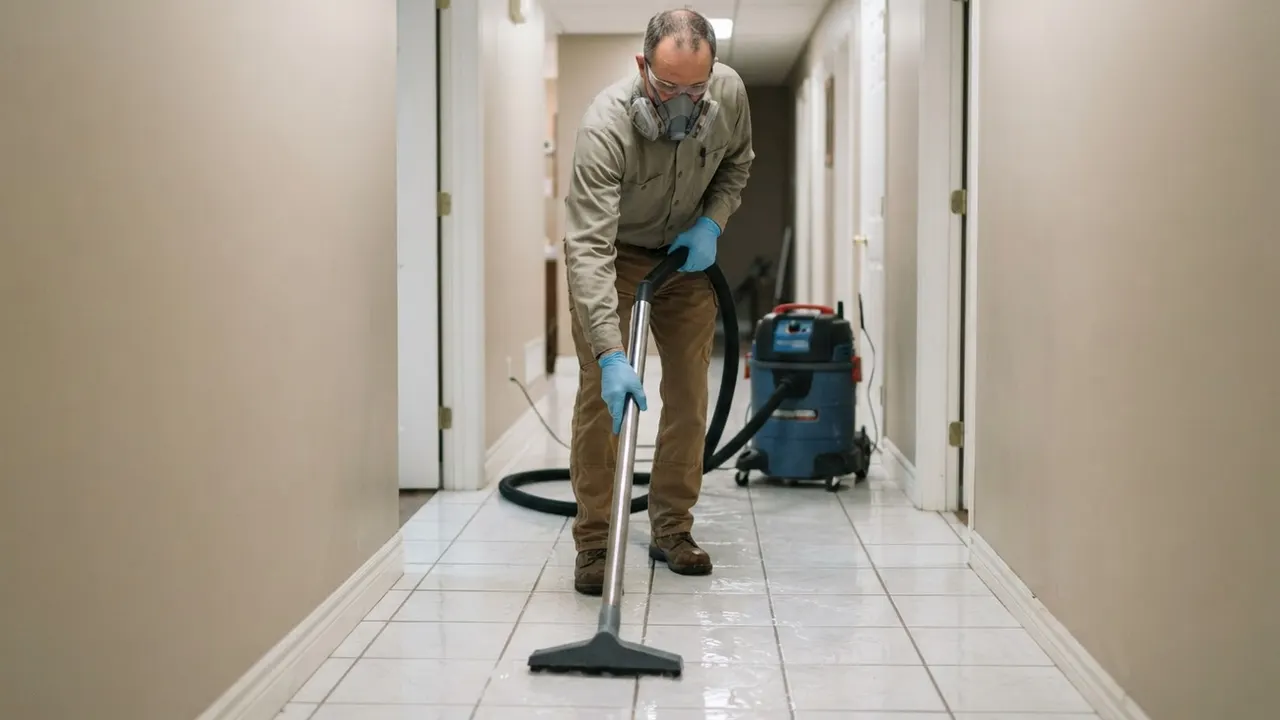
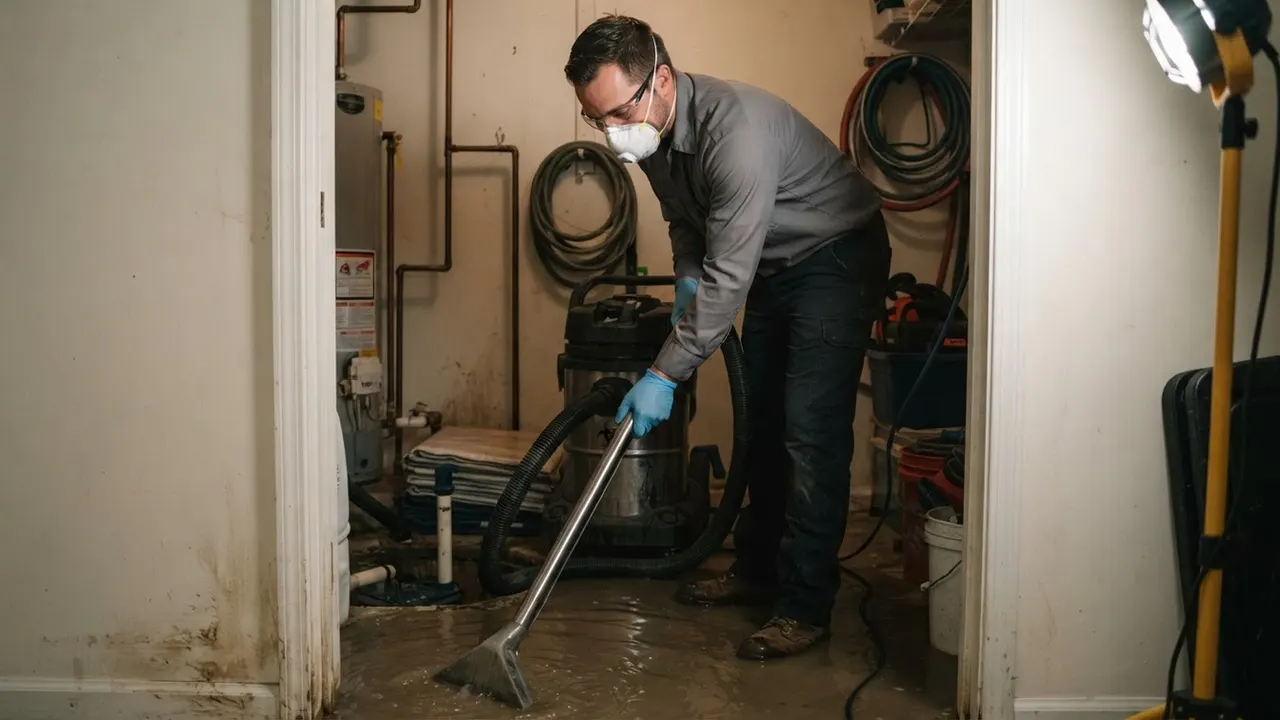
Mesquite Water Damage Company provides emergency water damage repair in Sherwood Forest, Nevada, with extraction and drying planned around the affected rooms and materials. From Sherwood Forest Estates to homes near Sherwood Forest Park, we locate the water source, remove standing water, and track moisture before rebuilding begins. Call us when a burst pipe, roof leak, or stormwater runoff from hills puts your floors, walls, or belongings at risk.

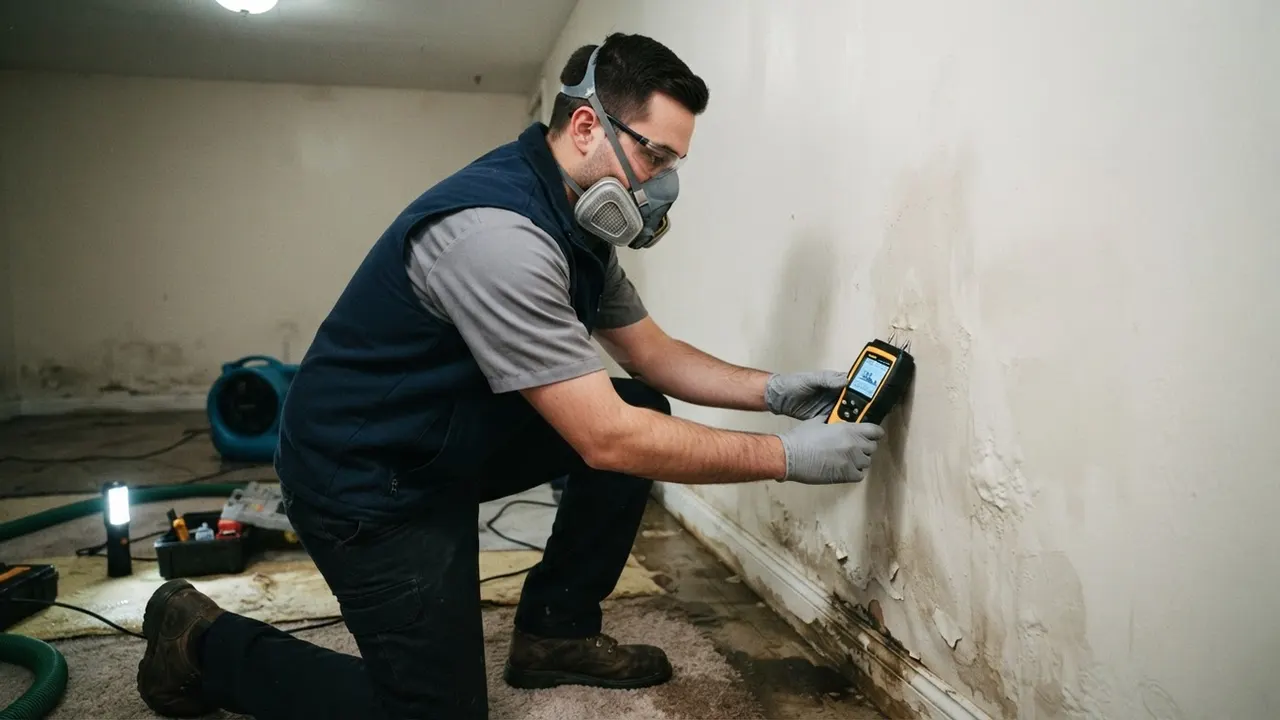
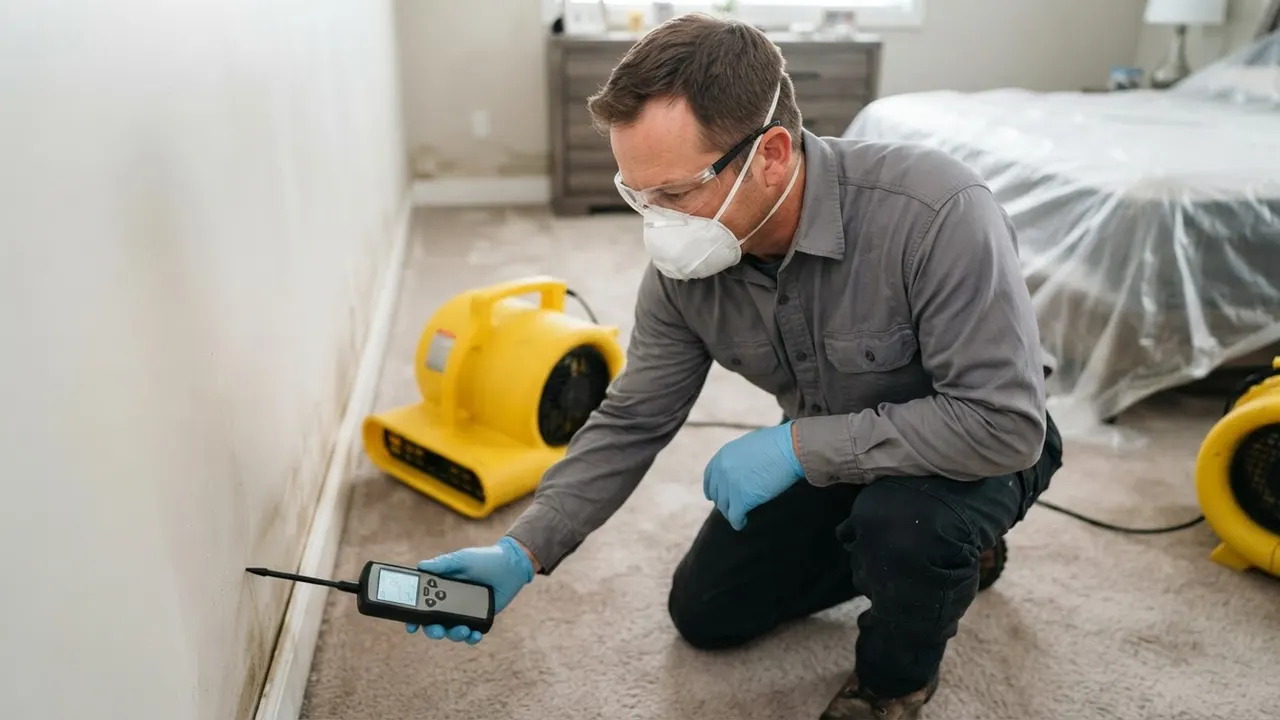
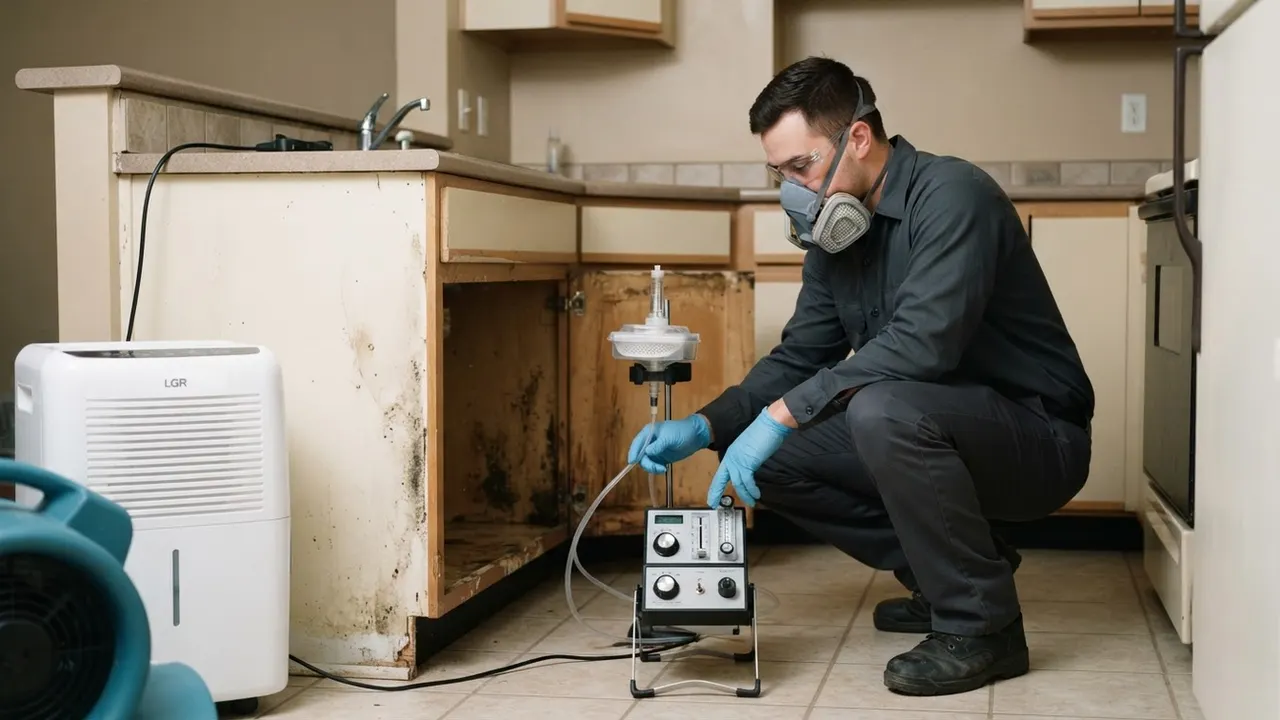
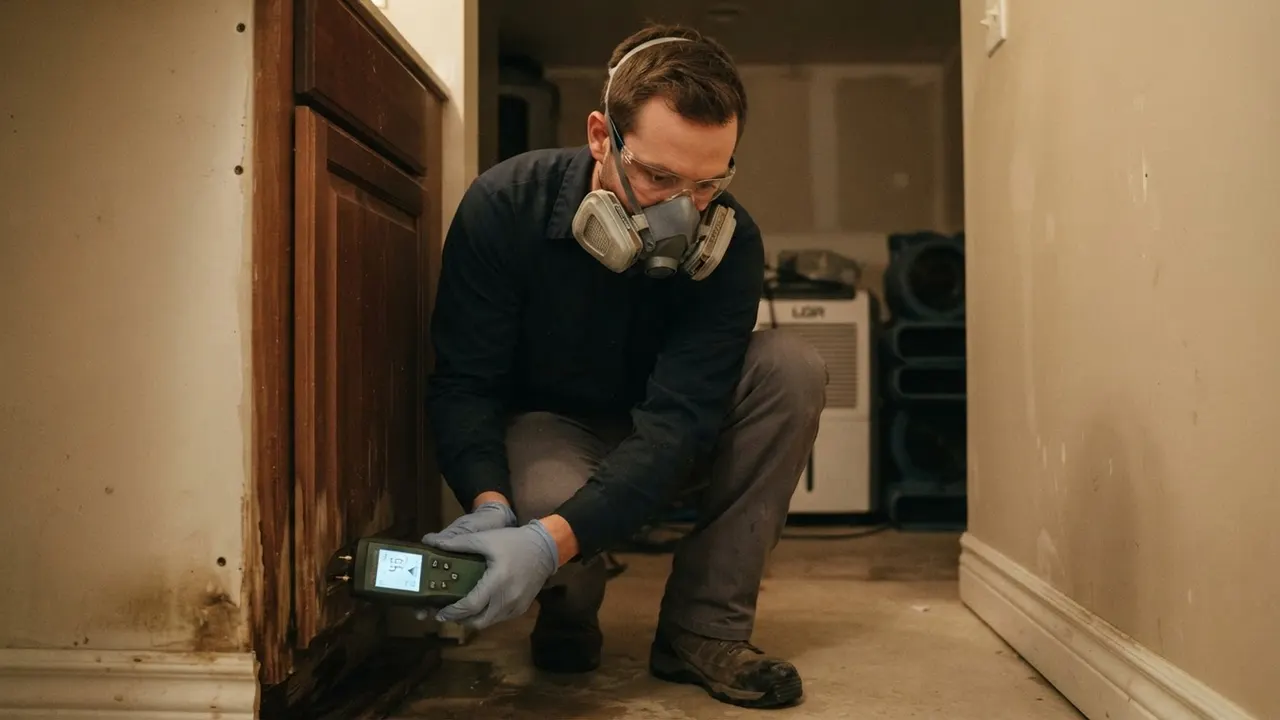
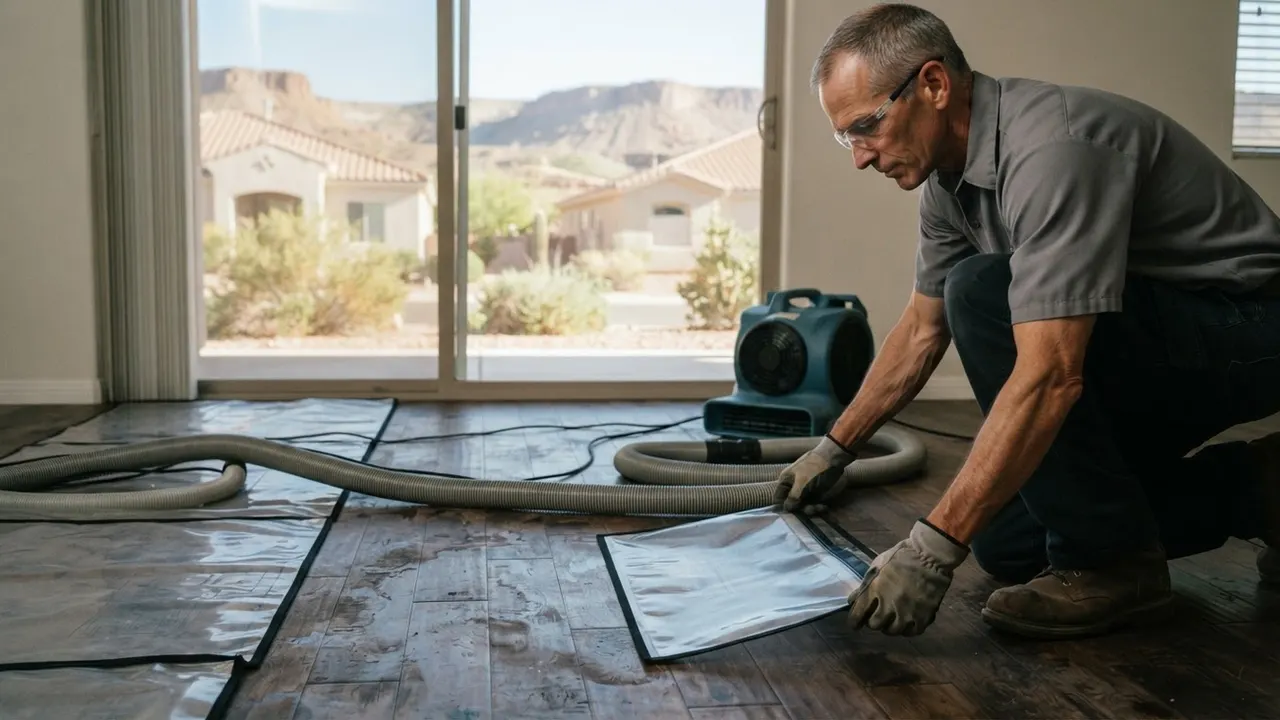
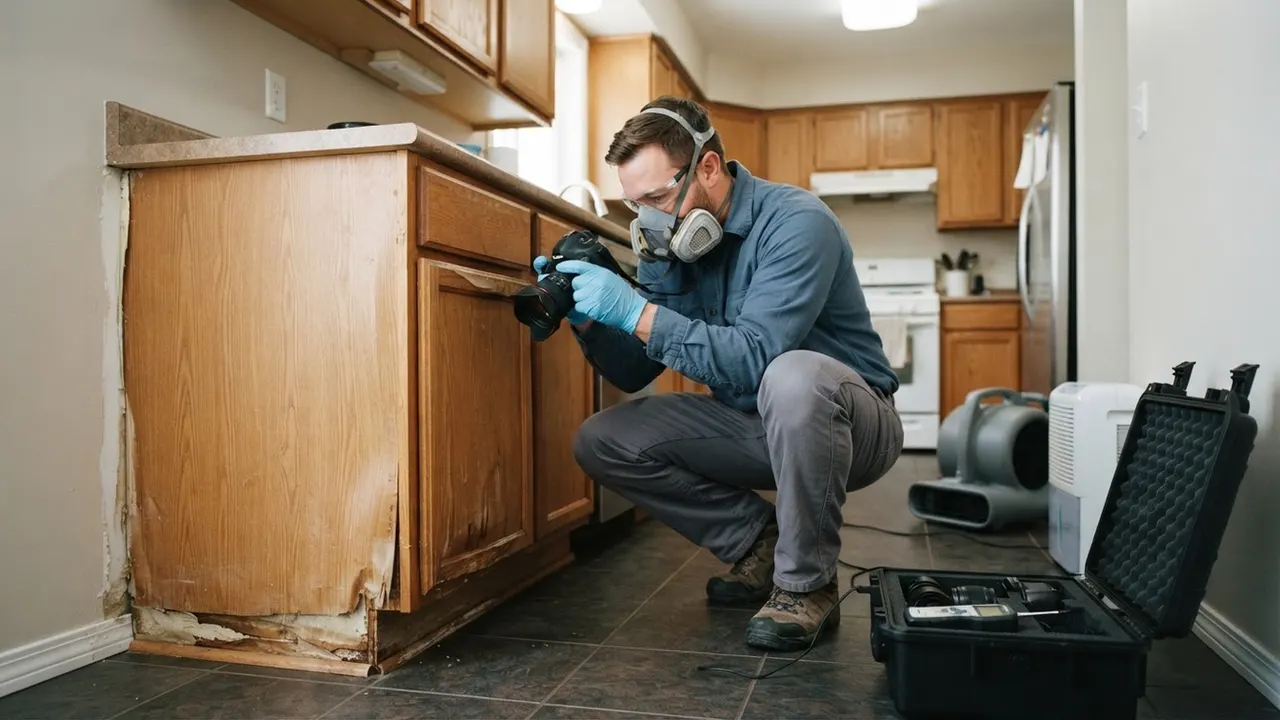
Water Damage Assessment & Inspection in Mesquite: water damage restoration technician kneeling and closely examining water

Sherwood Forest service area

  • Readings recordedMoisture checks tracked during drying
  • Contents identifiedPriority belongings noted before moving
  • Water source discussedLeak details guide the first inspection
  • Work areas explainedYou see which rooms need attention

Sherwood Forest Emergency Water Damage Repair

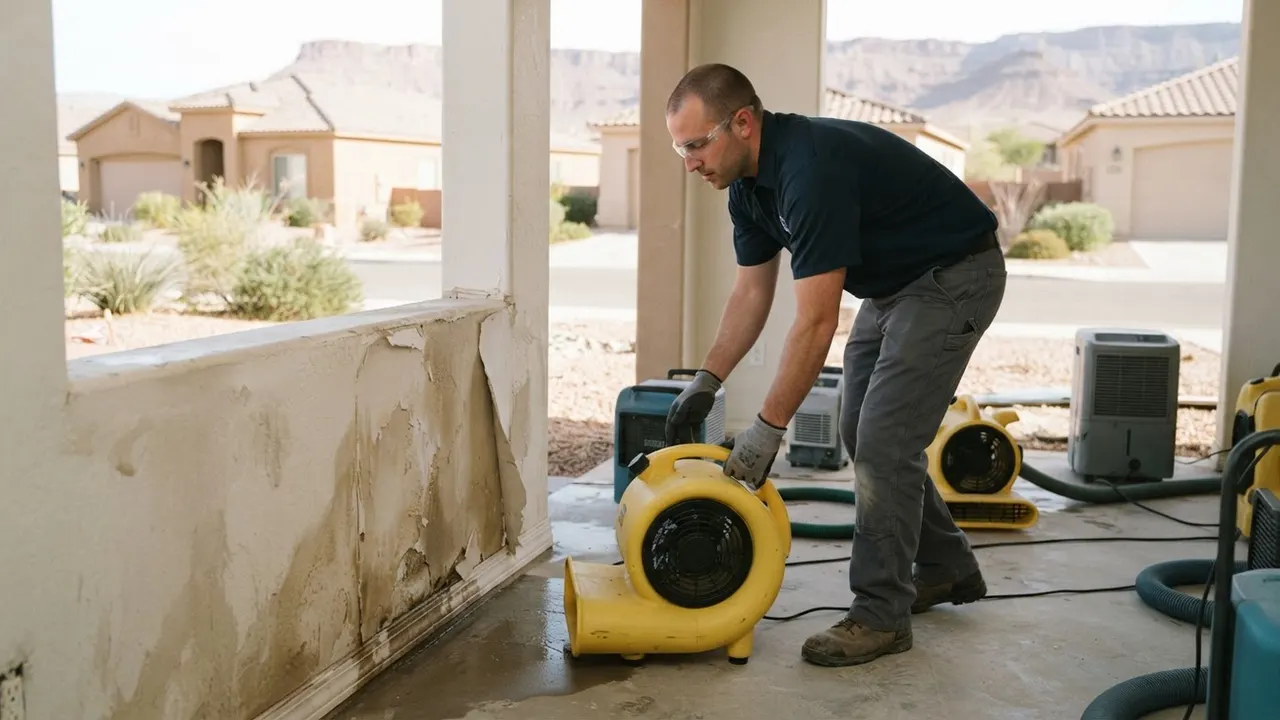
emergency water damage repair in Sherwood Forest is a property restoration service that stops active water intrusion, removes water, and dries affected materials after a leak or flood. Our Mesquite crew serves Sherwood Forest Estates, Sherwood Forest North, Sherwood Forest South, and Sherwood Forest Park, with service centered on ZIP code 89027. We approach each call by tracing water from its source into flooring, wall cavities, and adjoining rooms rather than treating only the visible puddle.

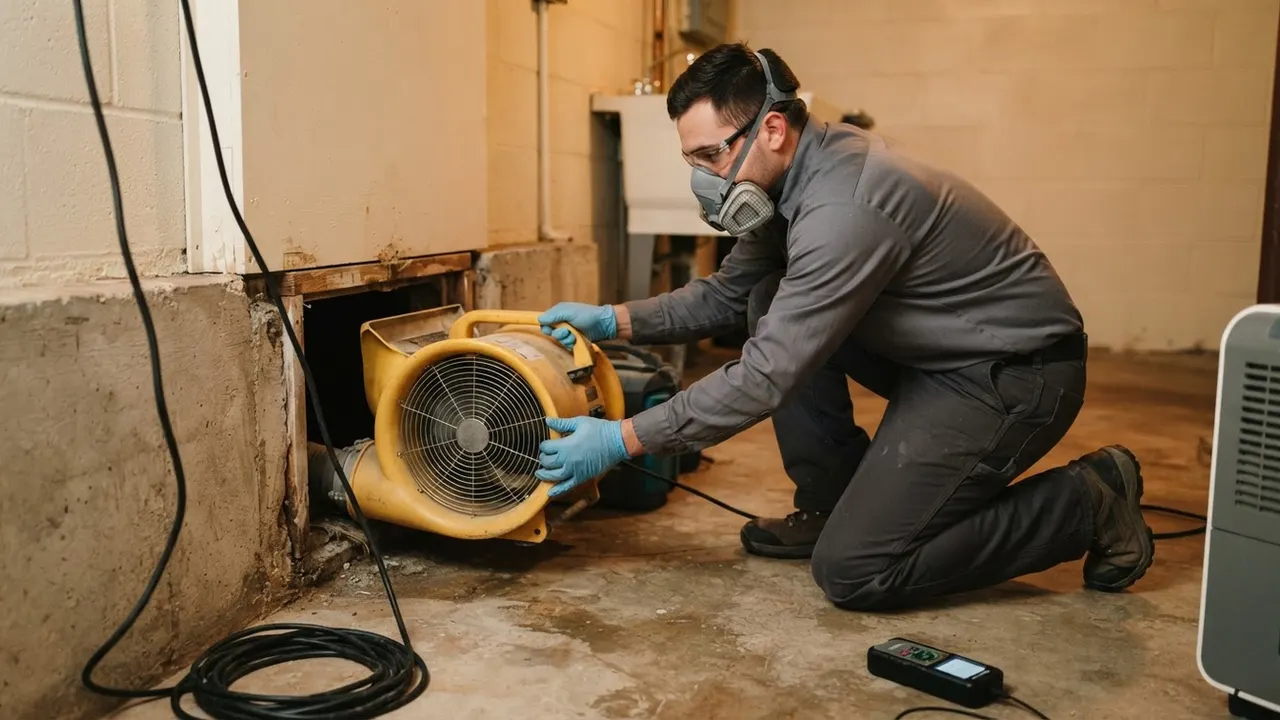
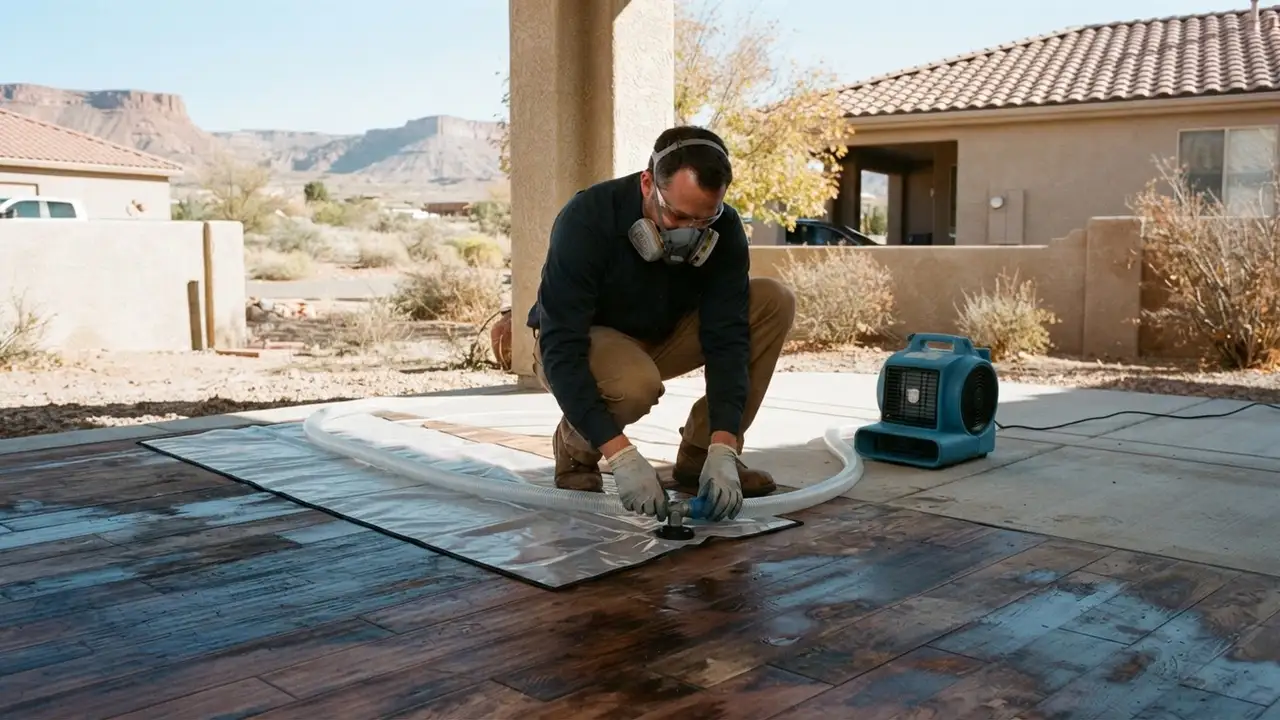
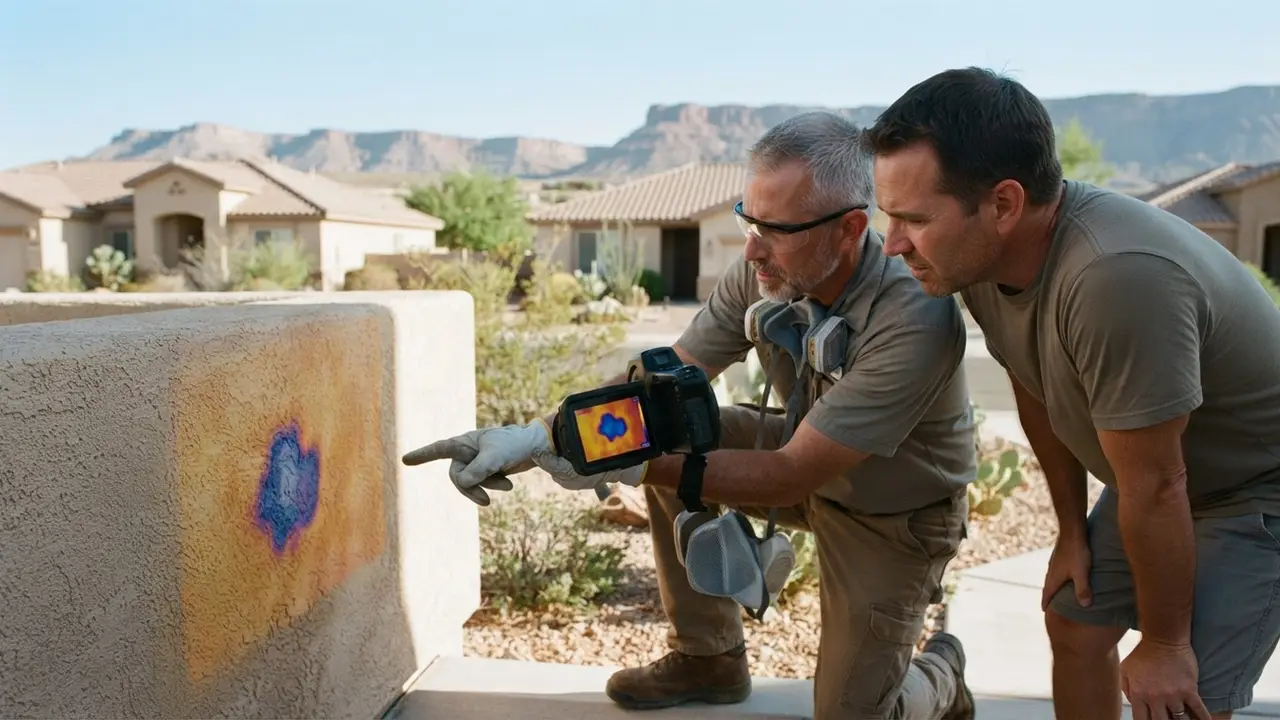
Sherwood Forest emergency water damage repair begins with a safety check and water classification, followed by extraction and a drying plan. A moisture meter helps us map damp drywall and baseboards; a thermal imaging camera can identify temperature patterns that warrant closer inspection. We record affected areas for your claim and explain which materials need drying, removal, or further assessment. Our crew handles water removal, structural drying, sewage cleanup, and related repair coordination so you have a clear next step after the immediate hazard is controlled.

Sherwood Forest has a wooded residential character, mature trees with root intrusion, and homes with a range of plumbing ages. Those conditions make a careful first inspection useful: a wet patch near a wall might trace to a pipe, roof opening, appliance, or a foundation entry point. Stormwater runoff from hills is another reason to check the route water took instead of assuming the lowest visible spot is the only affected area. We serve this community because homeowners need practical help protecting rooms, contents, and building materials when water is active. If you are near Sherwood Forest Elementary or along routes toward the Mesquite Nature Trail, tell us your nearest cross-street or landmark so we can identify the property efficiently.
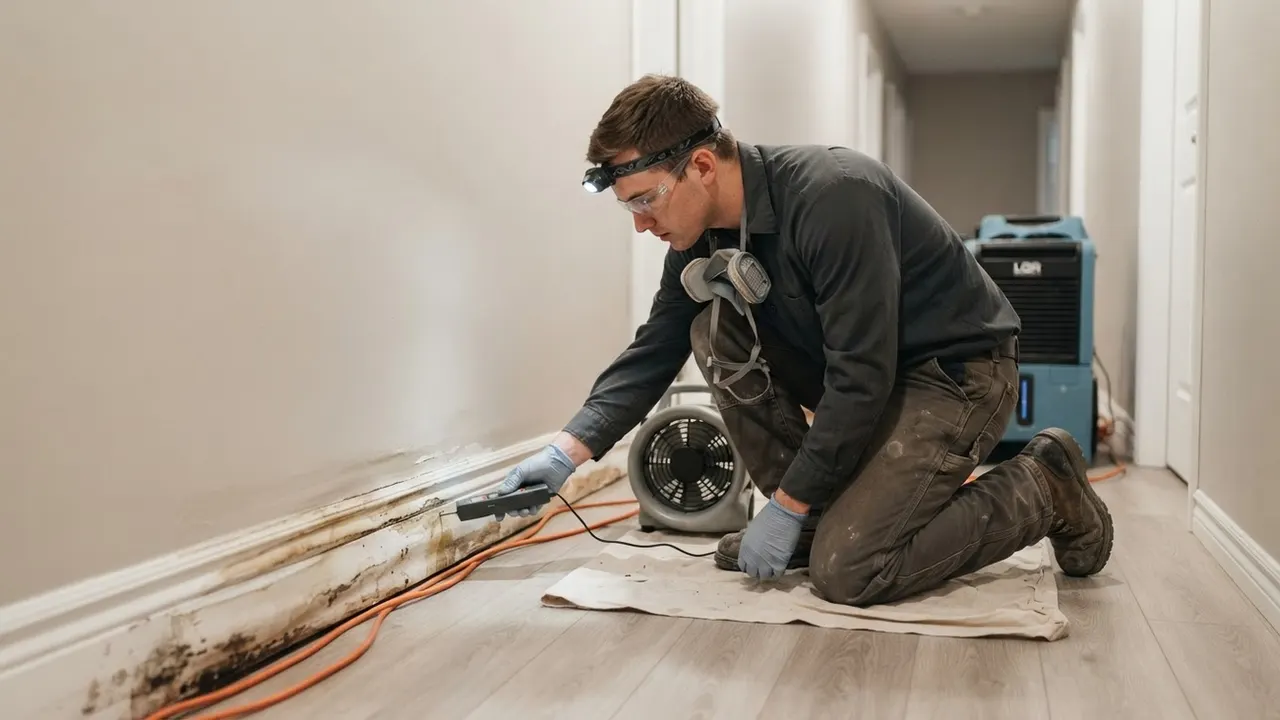
Insurance Claim Assistance in Mesquite: water damage restoration technician taking detailed photographs of water damage to a

Water Damage Services in Sherwood Forest

Water intrusion in Sherwood Forest can start with a failed supply line, an appliance hose, roof damage, or runoff entering a low point. Our services cover the first response through drying and repair, with the work matched to the water source and affected materials. If you are searching for emergency water damage repair in Sherwood Forest near me, call and tell us whether water is still flowing, how many rooms are affected, and whether the water is clean or contaminated. Those details help us prepare the right extraction and safety equipment.

How Restoration Works Locally

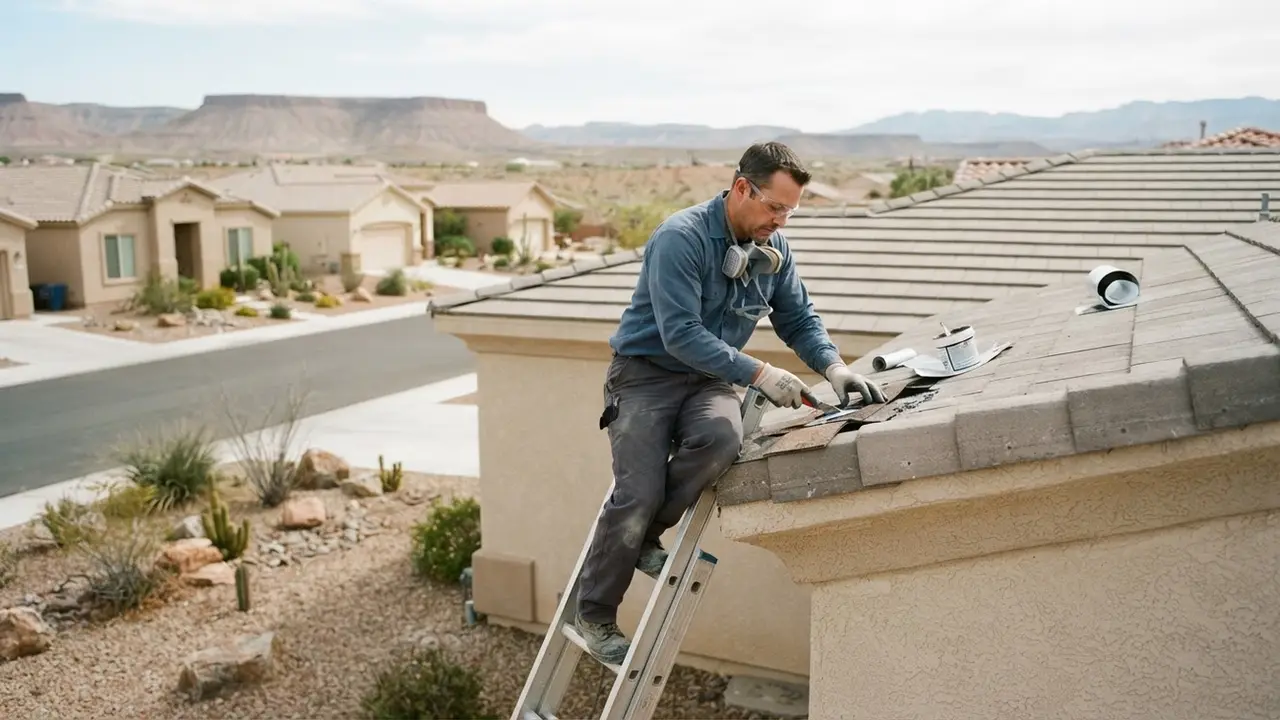
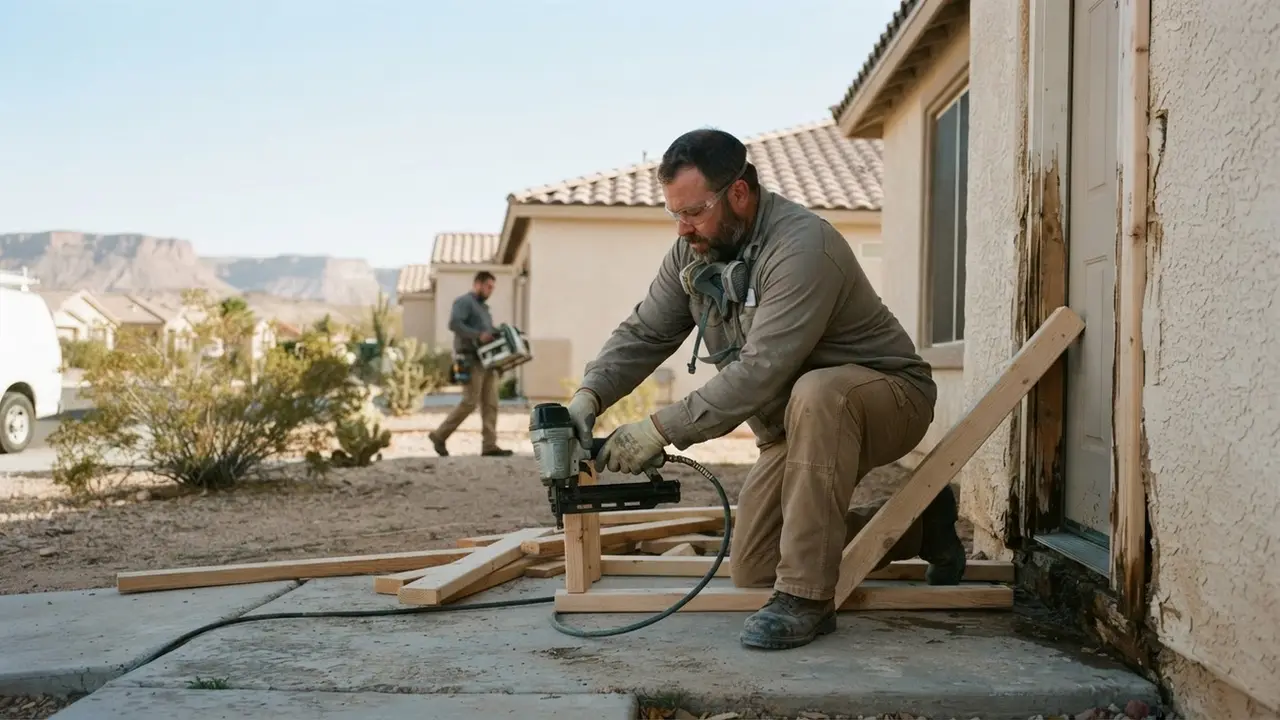
Emergency Board-Up & Tarping in Mesquite: water damage restoration technician nailing temporary supports around a damaged

Emergency Water Repair in Sherwood Forest

We locate the source and map wet rooms before choosing the first repair step. In Sherwood Forest homes, we check baseboards, flooring transitions, and adjoining spaces for water that moved beyond the visible leak. You receive a clear summary of extraction, drying, and repair priorities.

  • Trace the water source
  • Map affected rooms
  • Record moisture readings
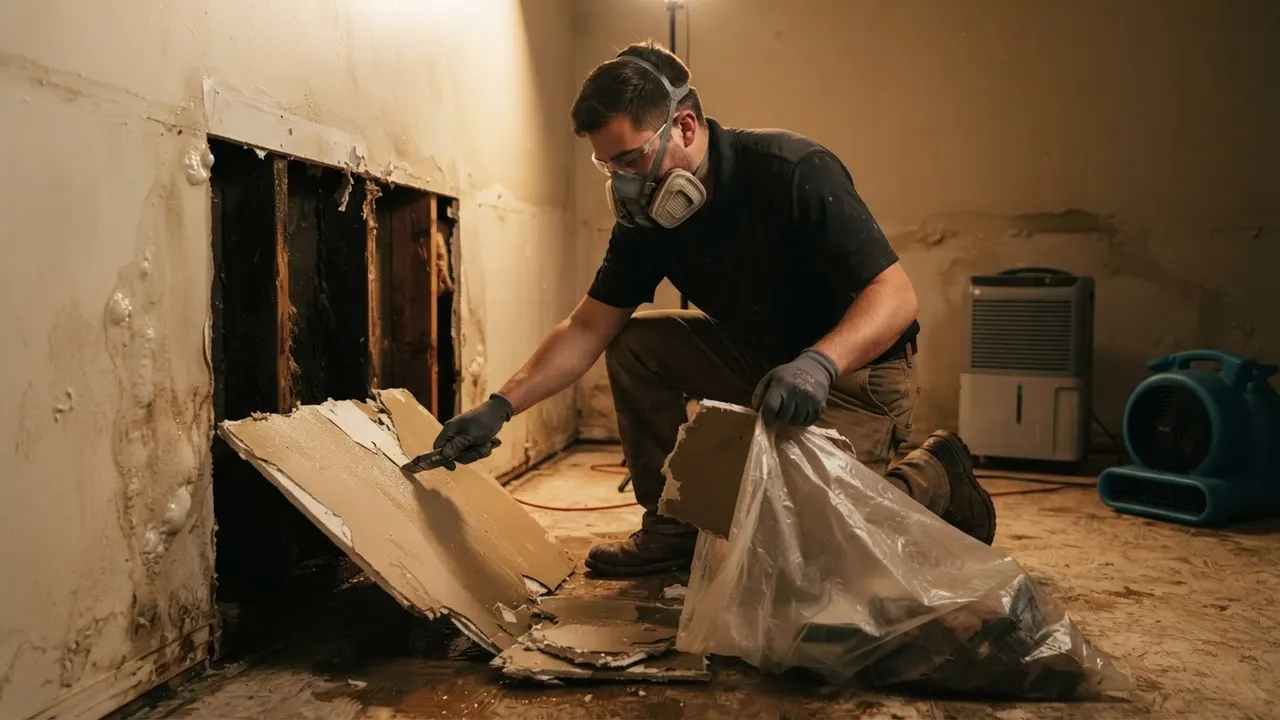
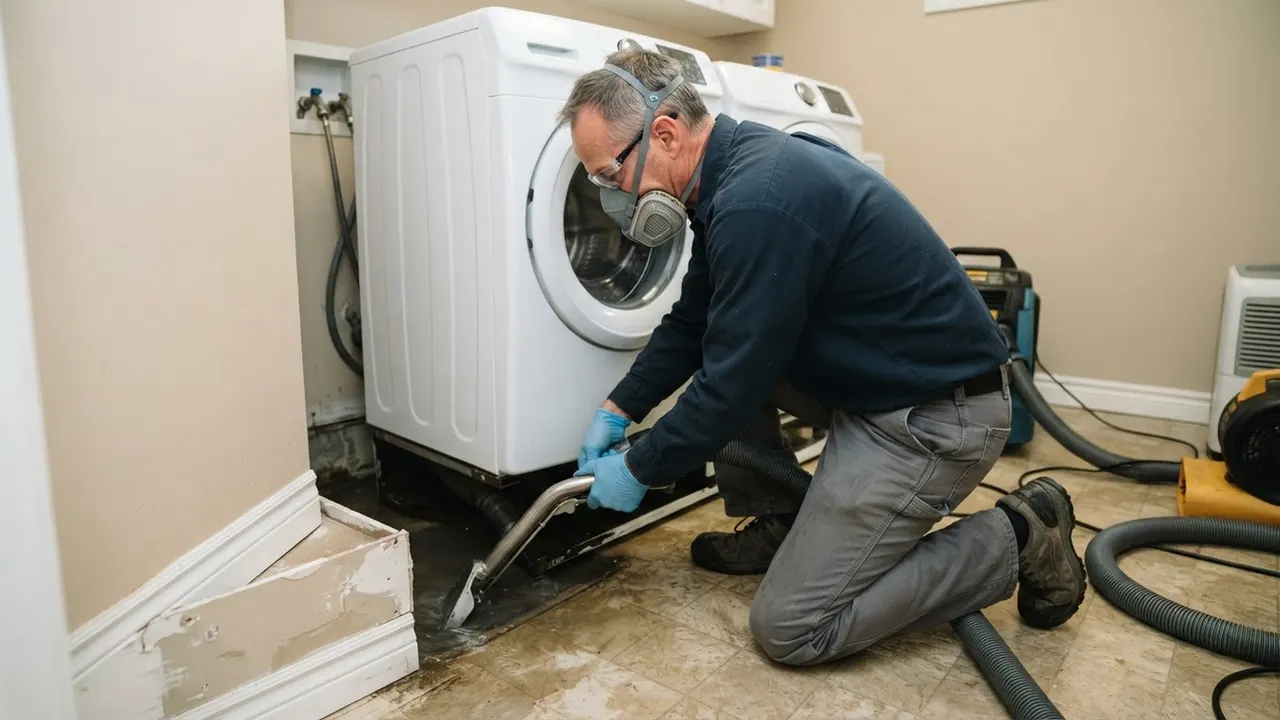
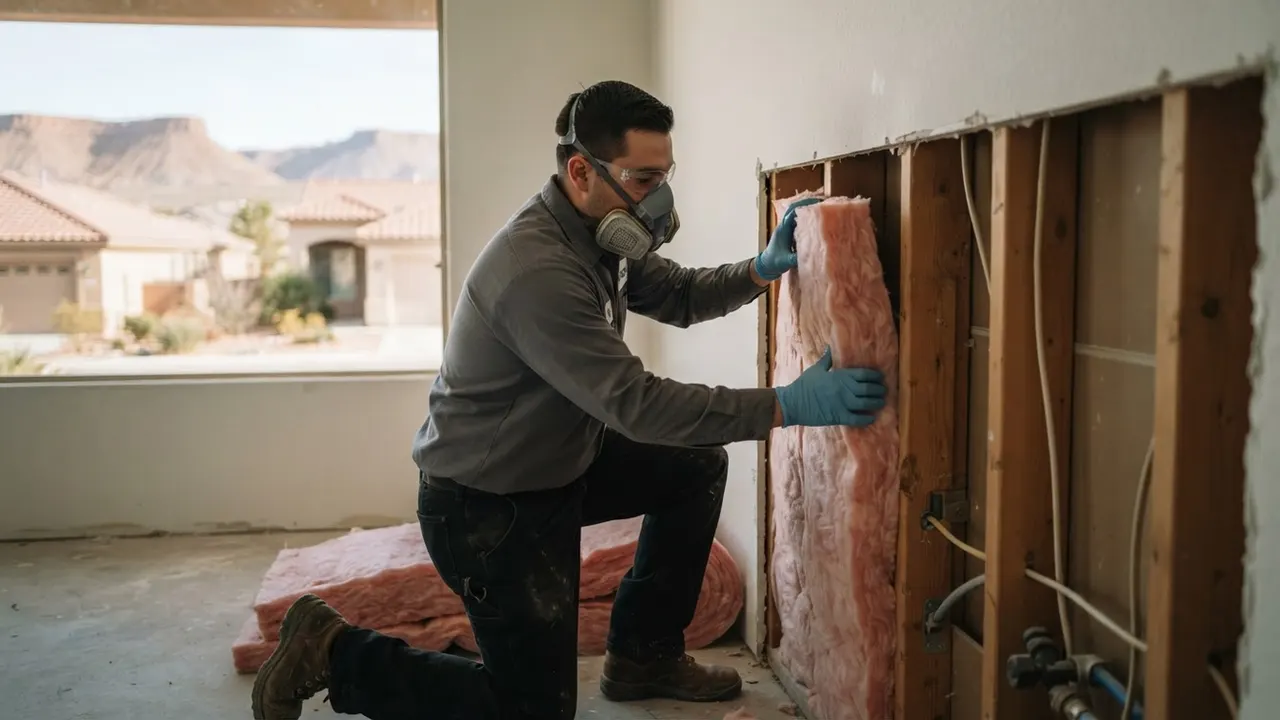
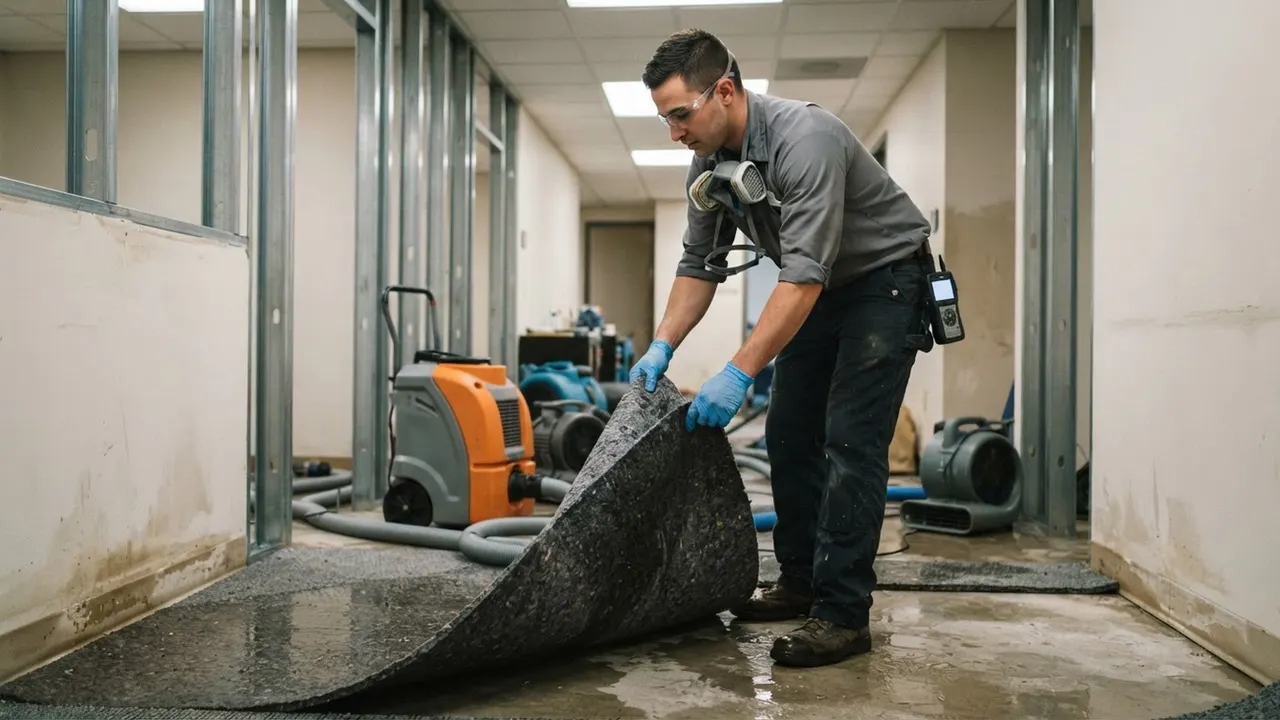
Emergency water damage repair in Mesquite: water damage restoration technician in full protective gear removing soaked

Sherwood Forest Homes

We assess the actual construction and water path in each home before setting equipment. Your plan can cover extraction, drying, contents protection, and repair coordination.

  • Older homes with aging pipes
  • Homes near wooded areas
  • Carpeted living spaces
  • Homes with lower-level rooms
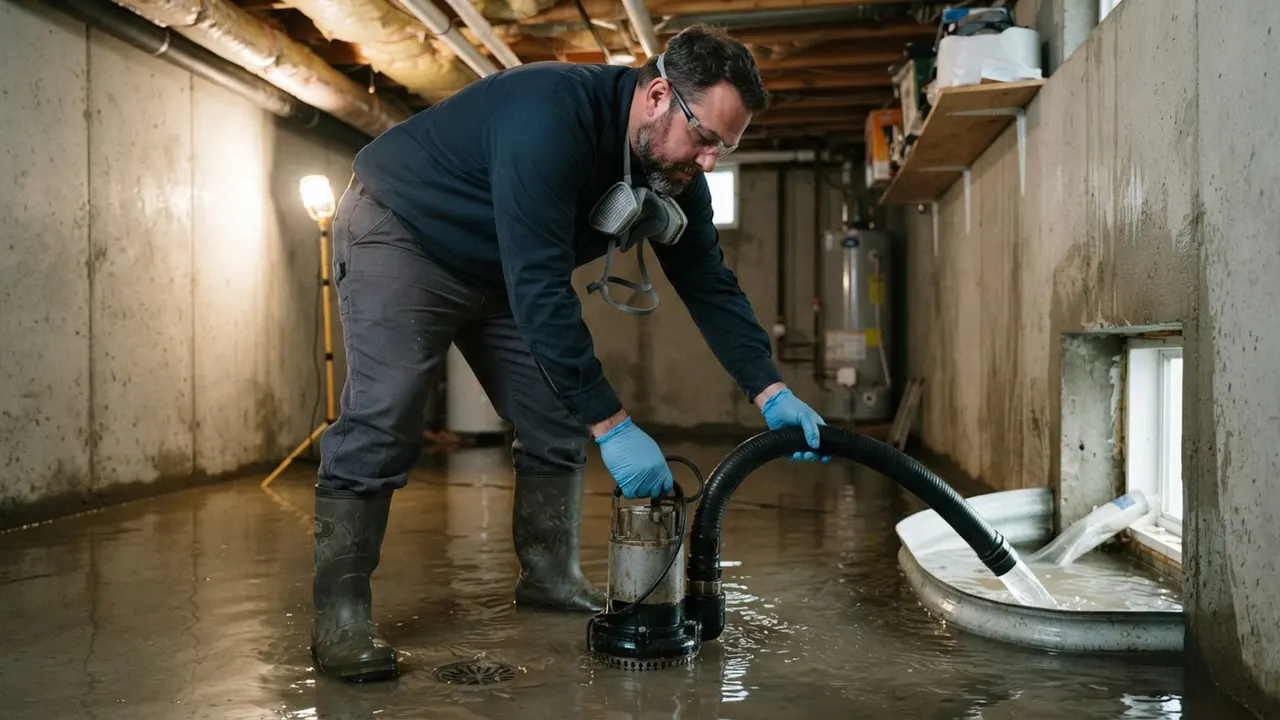
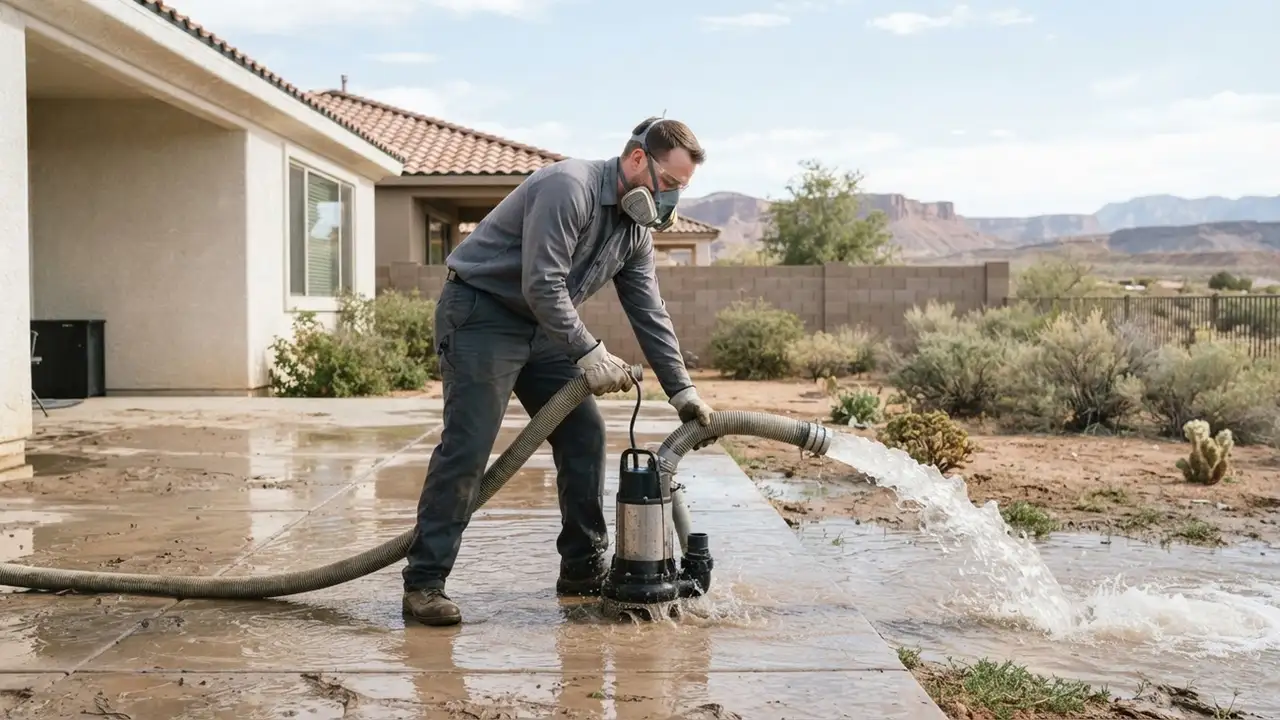
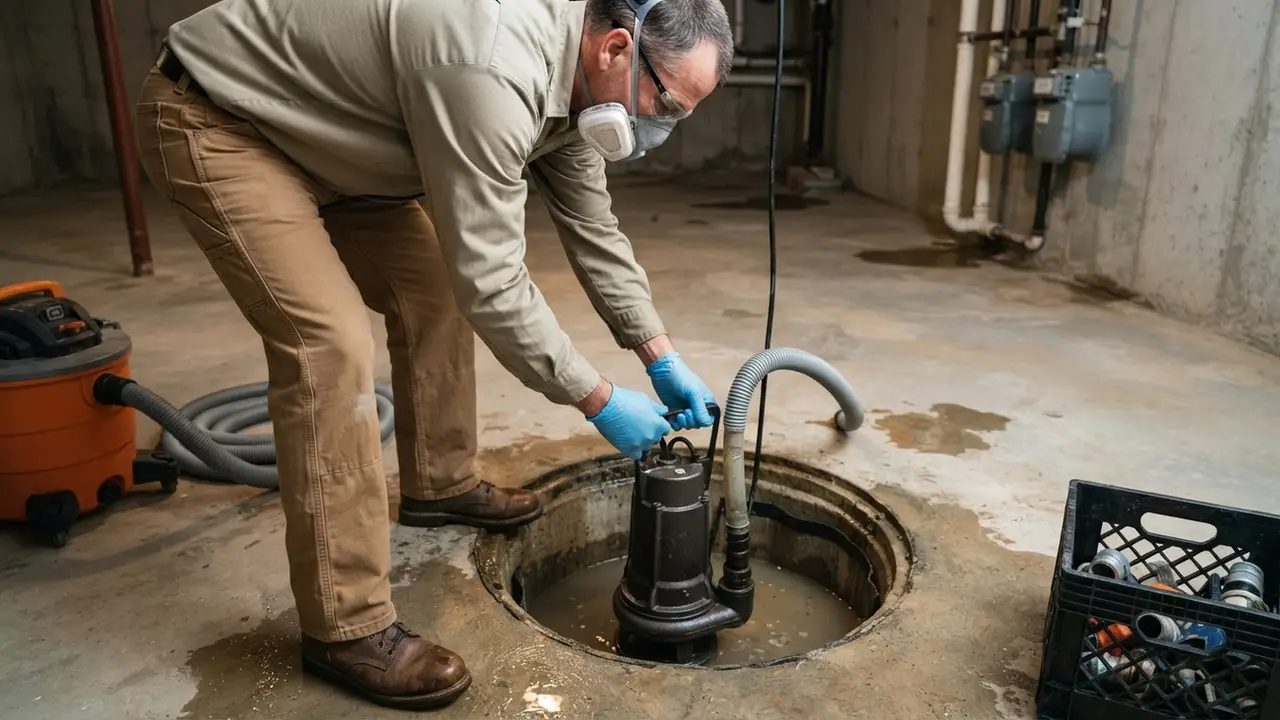
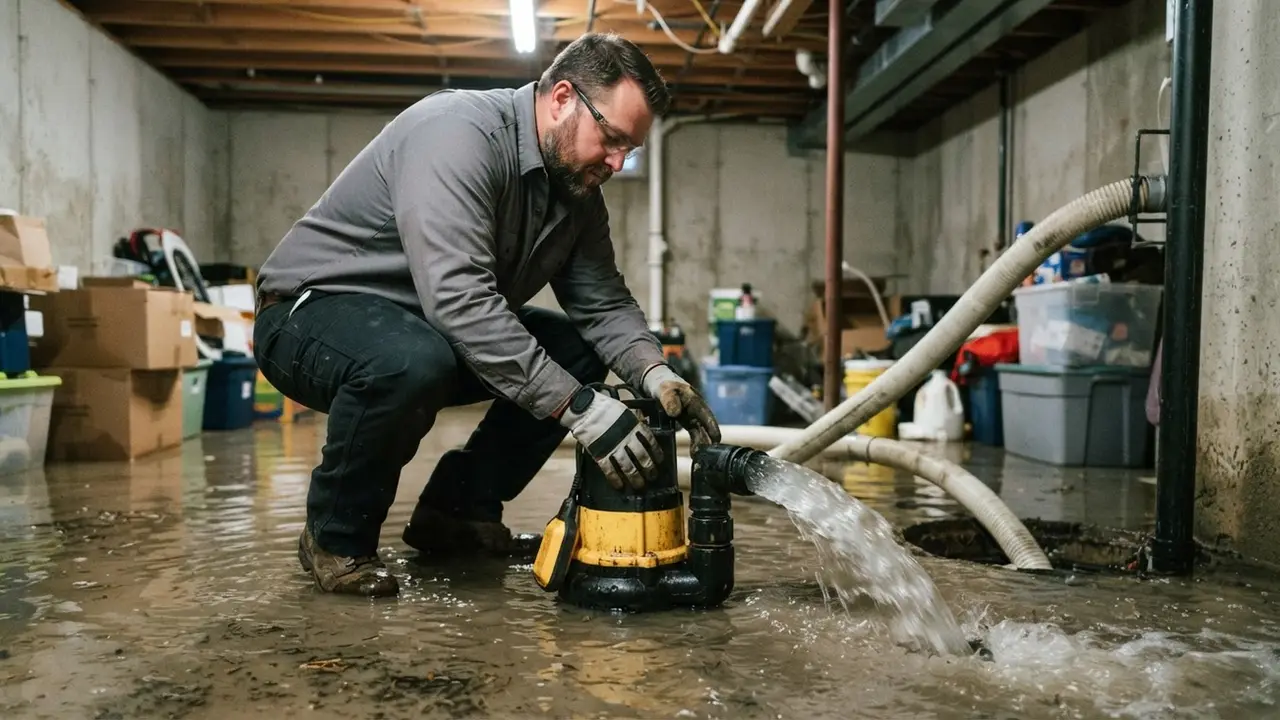
Emergency water damage repair in Mesquite: Close-up of a powerful submersible pump actively removing dirty water from a

Sherwood Forest Businesses

We organize water removal around affected rooms, contents, and safe access. Share the business address and operating needs so equipment placement can be planned clearly.

  • Sherwood Forest Shopping Center
  • Retail and service spaces
  • Office interiors
  • Property management sites

Common Sherwood Forest Water Losses

Sherwood Forest's wooded residential setting, mature trees with root intrusion, older homes with aging pipes, and stormwater runoff from hills create distinct inspection needs. Nevada's hot summers can stress exposed materials and equipment, while winter nights can bring freezing conditions that threaten vulnerable plumbing. These factors do not prove the cause of any one leak; they guide what we inspect. water damage restoration Sherwood Forest work starts with source identification, water classification, and a check of concealed spaces near the visible damage. We record the findings before drying or removing materials.

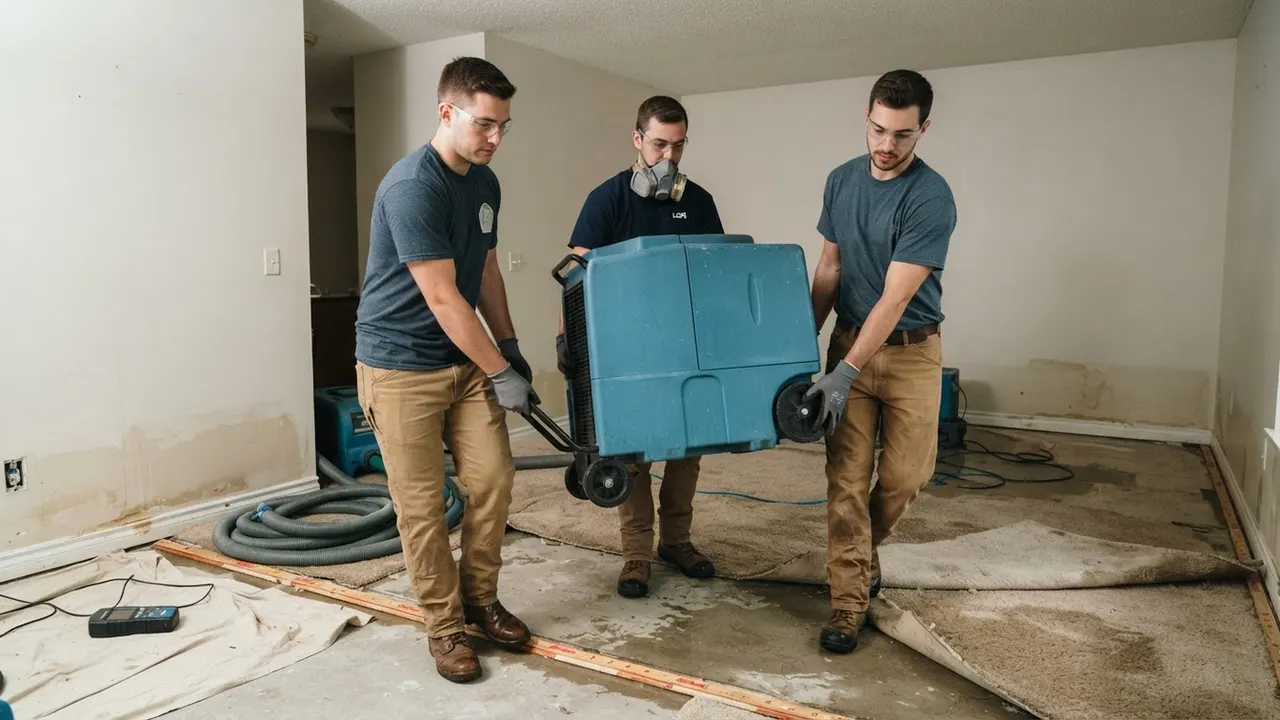
  • Emergency water damage repair in Mesquite: team of water damage restoration technicians collaborating to carry a large

    Aging Supply Lines Leak Inside Walls or Beneath Cabinets

    Older homes may contain plumbing runs and connections that have experienced years of use. A small failure can wet cabinet bases, drywall, or flooring before it becomes visible. The exact condition must be confirmed at the property; age alone does not establish the cause. We identify the wet area, coordinate source repair, and extract water from accessible surfaces. Moisture readings at wall edges and floor transitions show whether water traveled farther. We document any materials that need removal and dry exposed structures before repairs close them.

  • Emergency water damage repair in Mesquite: water damage restoration technician meticulously checking moisture levels in a

    Tree Roots Contribute to Drain or Service-Line Problems

    Mature trees with root intrusion can affect underground lines, particularly where roots reach a crack or joint. A slow drain or backup can have other causes too, so plumbing inspection is needed before connecting a symptom to roots. For resulting indoor water, we contain the affected room, identify contamination, and remove water using appropriate handling. We document visible conditions and coordinate line diagnosis with a plumbing professional. Cleanup and drying proceed only with safeguards suited to the water source.

  • Emergency water damage repair in Mesquite: detailed shot of specialized hardwood floor drying mats creating suction over a

    Runoff Enters Low Areas During Intense Storm Bursts

    Stormwater runoff from hills can move quickly during a heavy shower and reach lower openings. Debris and sediment can accompany the water, changing the cleanup required compared with a clean pipe leak. We remove water and debris, protect salvageable contents, and assess the affected floor and wall edges. Our team records entry points and checks adjacent areas for moisture migration. Temporary protection and a separate drainage repair may be needed to address the opening.

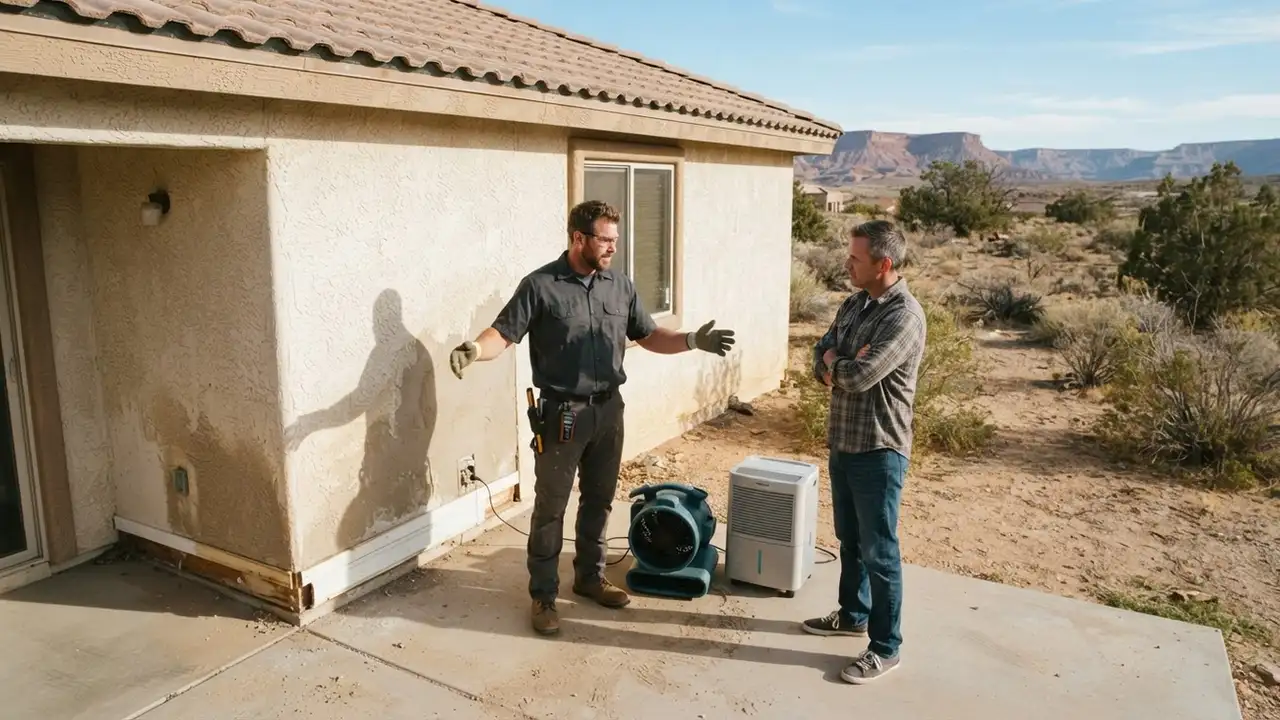
  • Emergency water damage repair in Mesquite: water damage restoration technician conversing with a homeowner in a partially

    Winter Cold Contributes to a Frozen or Split Pipe

    A cold night can expose vulnerable plumbing in unconditioned spaces or near exterior walls. If a pipe freezes and splits, water may not be noticed until temperatures rise and flow resumes, spreading into concealed areas. We help isolate the water source, extract standing water, and inspect the nearby structure for hidden moisture. The restoration plan includes repeat readings and removal of materials that cannot be dried. Plumbing repairs address the failed line before rebuilding starts.

Signs You Need Water Damage Repair

Call when water is active, ceilings sag, drains back up, or flooring stays wet.

Emergency water damage repair in Mesquite: Close-up of an axial air mover positioned to dry a section of a water-damaged wall
  • Water Continues Spreading Across the Floor

    Active water from a burst pipe, appliance leak, or roof opening can move into adjoining rooms within minutes. Shut off the source if you can do so safely, then keep clear of electrical hazards. Fast extraction limits the area that needs drying and gives the crew a clearer view of the source.

  • Ceiling Drywall Bulges or Begins to Sag

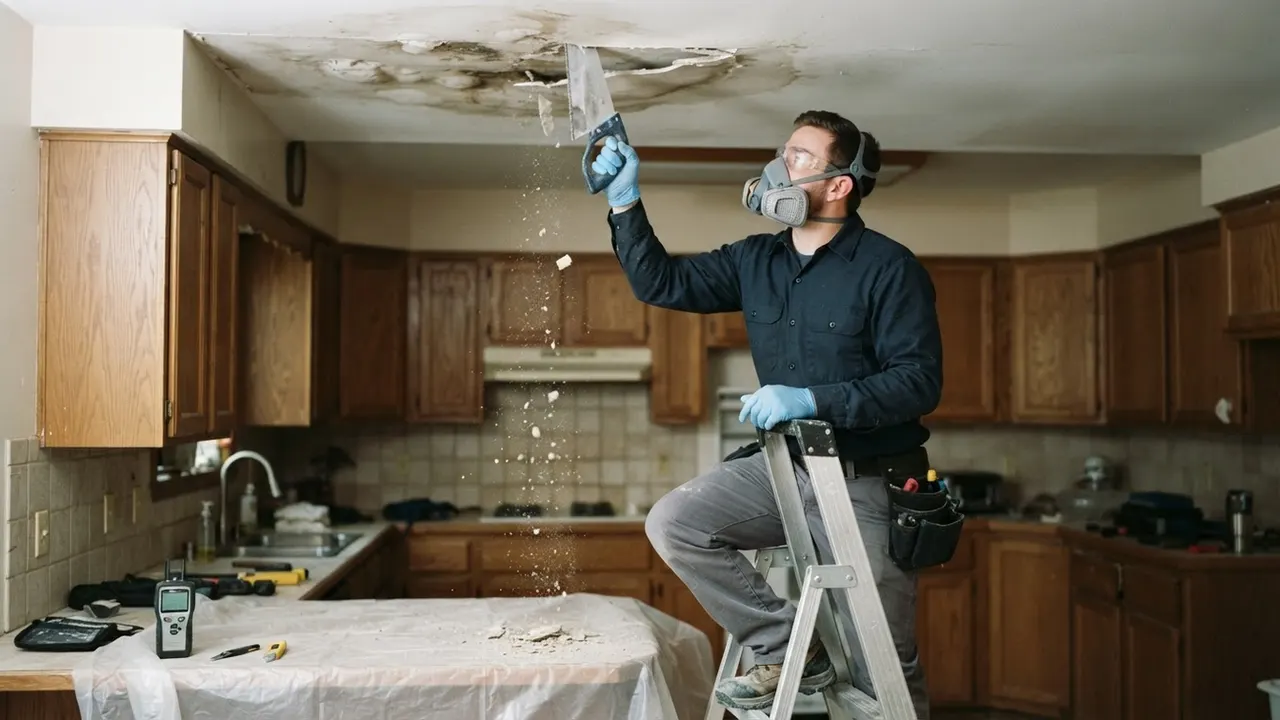
    A bulge can hold trapped water above the ceiling surface and may fail without warning. Do not puncture or press it. Keep people out of the room and call for an assessment so the water source, ceiling condition, and safe removal method can be evaluated.

  • Carpet Feels Wet After the Surface Dries

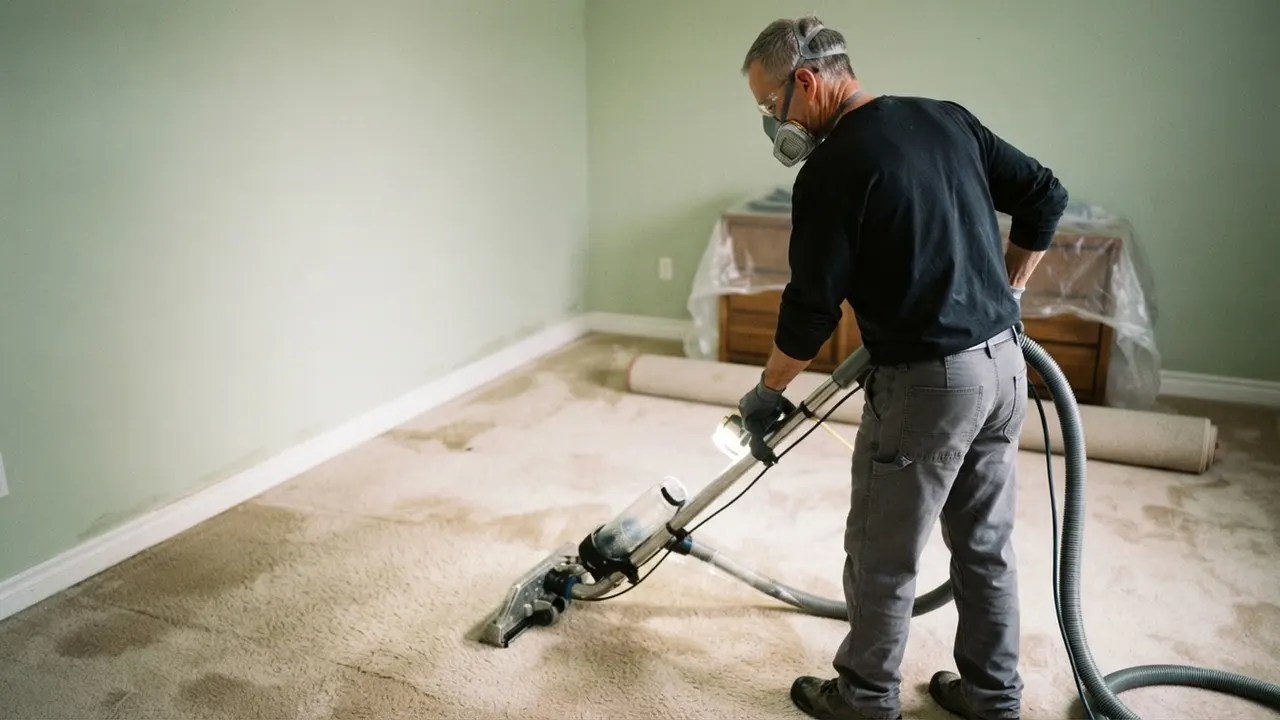
    Water can remain in carpet padding and the subfloor after the pile feels less damp. A moisture check helps determine whether extraction and drying are still needed. Persistent dampness can lead to odor or material damage, especially when a leak has continued unnoticed.

  • Musty Odor Develops Near a Wall

    A musty odor can point to moisture trapped behind baseboards, inside a wall cavity, or beneath flooring. It does not identify the source by itself, but it warrants inspection if there was a recent leak. We trace moisture before cleaning or replacing finishes.

  • Discolored Water Backs Up Through a Drain

    Sewage or contaminated water presents a hygiene risk and should not be handled like a clean supply-line leak. Keep children and pets away, avoid contact, and do not run fixtures that could worsen the backup. Professional containment and cleanup are urgent.

How We Work in Sherwood Forest

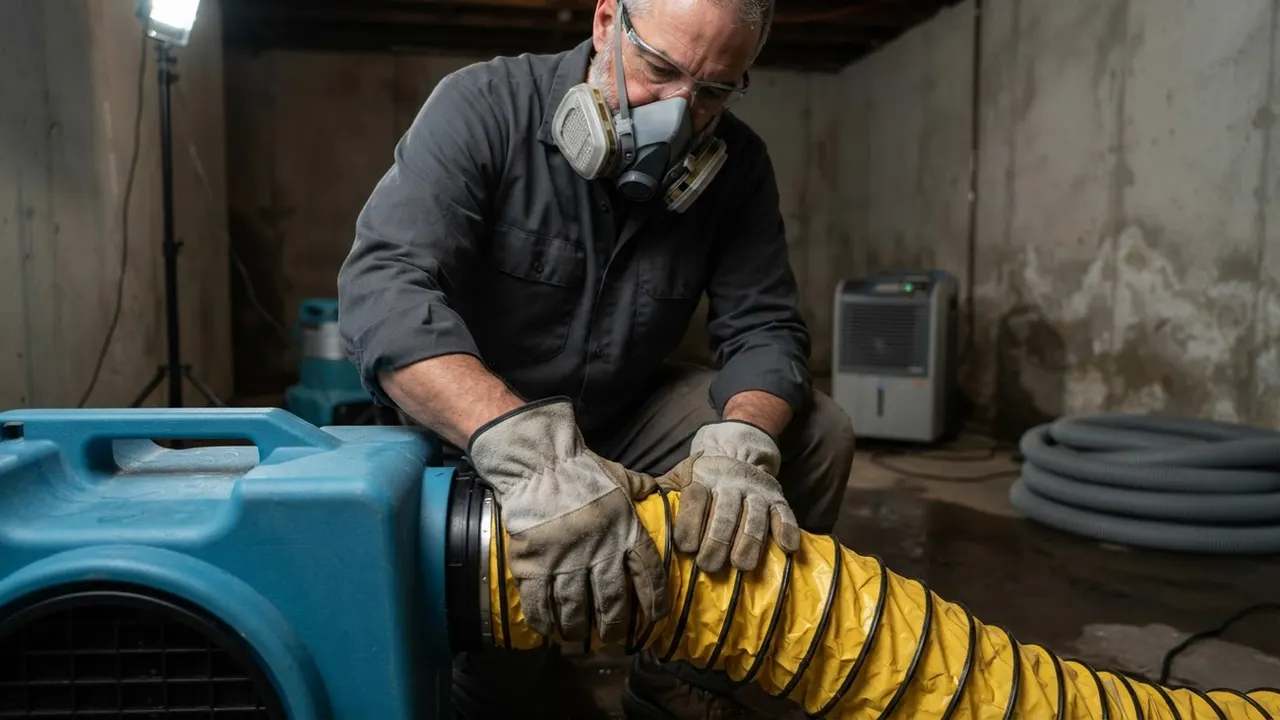
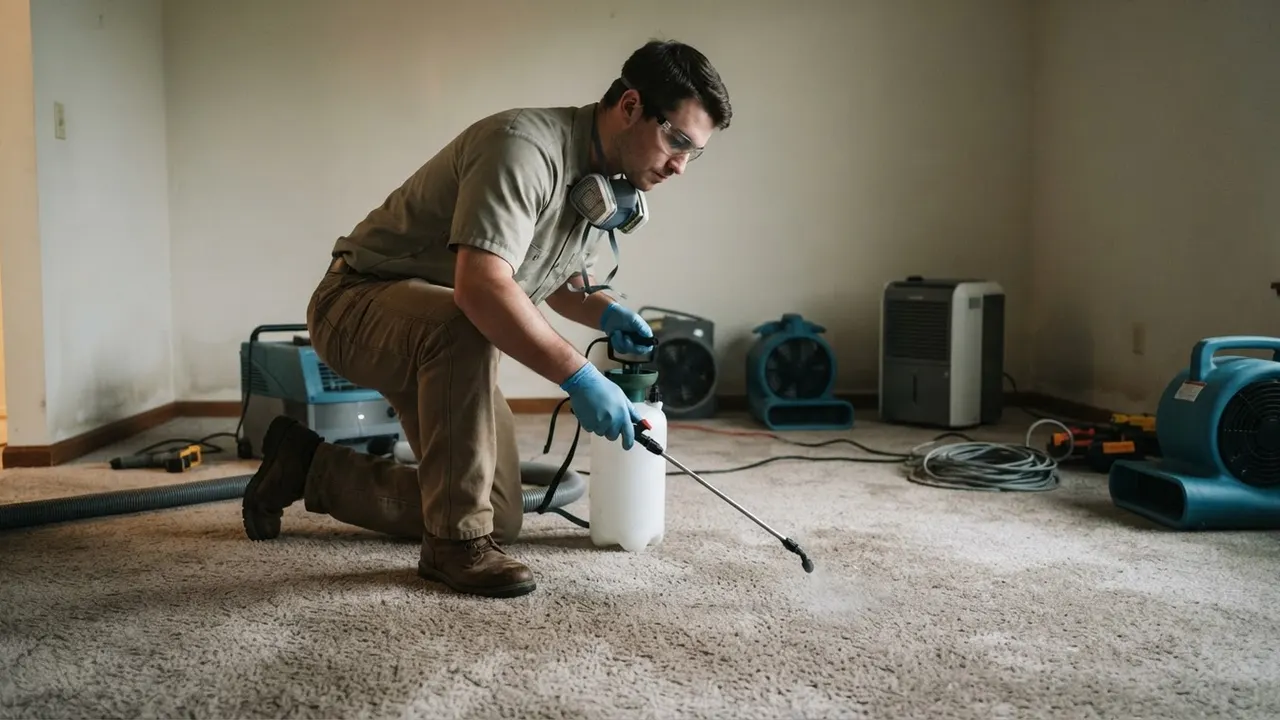
Sherwood Forest emergency water damage repair starts with a safe entry check, source control, and a room-by-room moisture map. We use extraction equipment before placing air movers and a dehumidifier; readings are checked at intervals rather than guessed from how a surface feels. In older homes with aging pipes, we inspect nearby cabinets, wall edges, and flooring transitions because water can travel beyond the first stain.

  • Mature Trees With Root Intrusion Near Buried Service Lines

    Root intrusion can contribute to damaged or obstructed underground lines, but the actual source must be confirmed rather than assumed. A leak may appear indoors far from the point of entry, so the first inspection traces water and checks nearby plumbing and drainage conditions. We document the water path and visible conditions, then coordinate source diagnosis with the appropriate plumbing or drainage professional when needed. Inside, we extract water and check surrounding materials with a moisture meter. We avoid closing walls or floors until readings support the next repair step.

  • Older Homes With Aging Pipes and Concealed Plumbing Runs

    A pipe failure may release water inside a cabinet, wall, or floor assembly before a stain appears. In a home with older materials, the affected area can extend beyond the room where the leak became visible, adding inspection and drying work. We start by stopping active flow where safely accessible and tracing wet materials outward from the visible damage. Our team photographs affected areas, takes repeat moisture readings, and coordinates plumbing repair. You get a clear sequence for extraction, drying, and any material removal.

  • Stormwater Runoff From Hills Reaching Low Exterior Openings

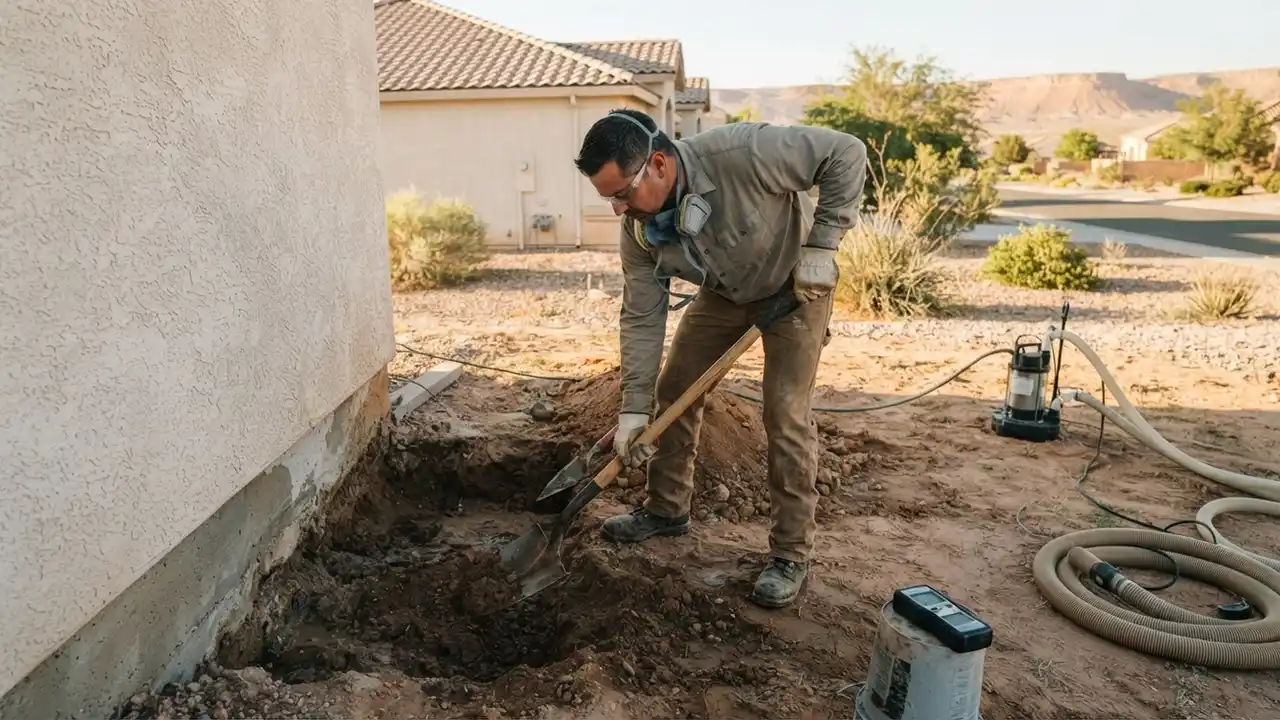
    Fast runoff can carry water and sediment toward doors, garages, or lower-level openings during a storm. The water may affect flooring and stored contents, and debris can complicate cleanup compared with a clean supply-line leak. We separate debris and potentially contaminated materials from salvageable contents, then extract standing water and clean affected surfaces. The inspection records entry points and water depth where observable. We dry the structure and note exterior drainage concerns for follow-up repair.

  • Nevada State Contractors License Requirements

    Contracting work that falls under Nevada licensing rules must be performed by appropriately licensed contractors. Water extraction and cleanup are distinct from plumbing or reconstruction work that may require a specific contractor classification. We identify the work category and coordinate the applicable trade for repairs.

  • IICRC S500 Water Damage Restoration Standard

    The IICRC S500 provides industry guidance for professional water damage restoration, including inspection, water categorization, drying, and documentation. We use a measured process to decide what can be cleaned or dried and what requires removal, while adapting the work to the property and water conditions.

Sherwood Forest Landmarks and Navigation

Sherwood Forest Park, Sherwood Forest Elementary, Mesquite Nature Trail, and Sherwood Forest Shopping Center can help callers describe their general area. Give us the actual property address as well; landmarks orient the route but do not replace street-level directions. If a storm has left debris or standing water near your entrance, describe safe access and where equipment can be unloaded. We use that information to plan arrival and keep the route from the vehicle to the affected room clear.

  • Sherwood Forest Park

    A recognizable local reference for callers describing the surrounding area. Providing the street address and the side of the park nearest the property helps distinguish the destination from the landmark itself.

  • Sherwood Forest Elementary

    The school can serve as a general orientation reference when a caller is explaining which part of Sherwood Forest they are in. The service address remains necessary for accurate navigation.

  • Mesquite Nature Trail

    Callers may use the trail as a nearby reference point when describing their location. We still confirm the road name, property number, and any access instructions before heading to the affected building.

  • Sherwood Forest Shopping Center

    The shopping center is a local commercial reference that can help a caller describe the general area. It is useful for orientation, while the home or business address determines the service destination.

  • Mesquite Town Center

    Mesquite Town Center is a commercial destination within the broader Mesquite service region. It can provide regional context for scheduling and navigation but is not used as a substitute for the Sherwood Forest property address.

  • Interstate 15

    Interstate 15 provides regional road access to Mesquite. The final approach to a Sherwood Forest property depends on its street address and current local road conditions.

  • Nevada State Route 170

    Nevada State Route 170 connects parts of the Mesquite area with surrounding routes. Callers should provide their exact address for the final local approach.

Sherwood Forest Neighborhoods Served

Our service area includes the named parts of Sherwood Forest, with dispatch and equipment planning based on the property address and the type of loss. Whether water appears in Sherwood Forest Estates, Sherwood Forest North, Sherwood Forest South, or around Sherwood Forest Park, we inspect the source and affected rooms rather than relying on neighborhood labels. Use ZIP code 89027 when calling, and describe any access limits, active water, or safety concern at the property.

  • Sherwood Forest Estates
  • Sherwood Forest North
  • Sherwood Forest South
  • Sherwood Forest Park

Sherwood Forest Water Loss Examples

  • Sherwood Forest Estates

    Before

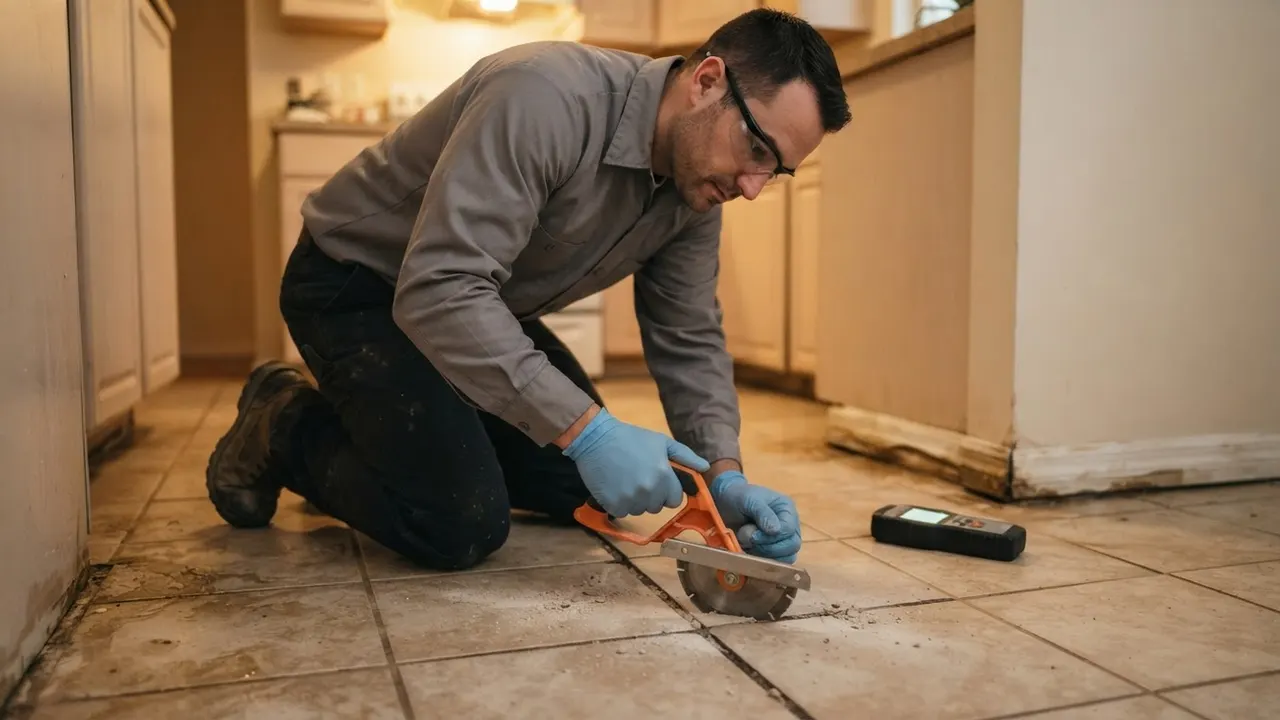
    A supply-line leak wet a kitchen floor and the adjoining cabinet base in a Sherwood Forest home, with water reaching the room threshold.

    After

    We isolated the affected work area, extracted visible water, and checked cabinet bases, flooring transitions, and nearby wall edges. We placed drying equipment according to the moisture map and recorded readings for follow-up. The owner received photographs and a room-by-room summary to support repair coordination. The example plan includes an initial extraction visit, daily moisture checks, and continued drying until readings meet the selected material targets. Four areas are documented: the leak zone, two adjacent edges, and the adjoining room threshold.

  • Sherwood Forest South

    Before

    After a storm, runoff entered a lower room through an exterior opening and left water and sediment along the floor edge.

    After

    We separated debris from household contents, removed standing water, and cleaned the affected hard surface. The team documented the apparent entry point and checked nearby wall and baseboard moisture before setting air movement and dehumidification. Any opening requiring temporary protection was noted for follow-up. The example includes water-depth notes at three points, photographs of the entry area, and follow-up moisture readings. Cleanup and drying are tracked separately so the homeowner can see when visible water removal ends and structural drying is complete.

  • Sherwood Forest North

    Before

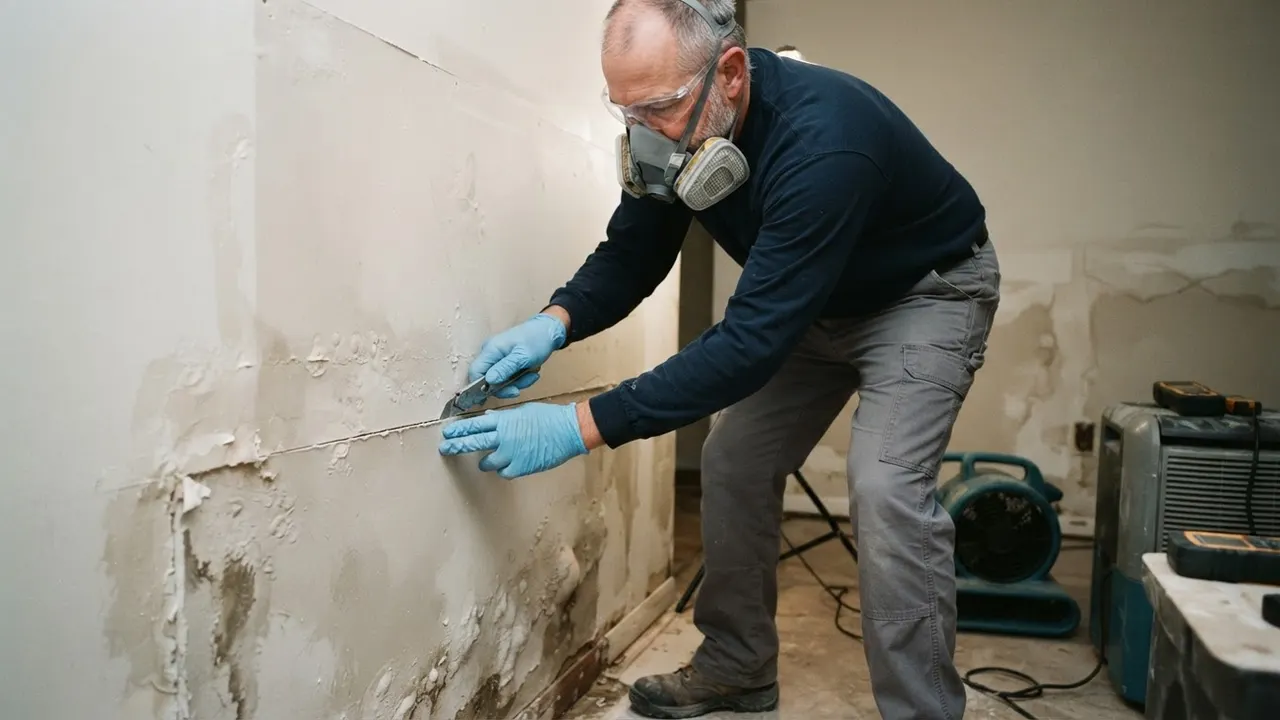
    A slow pipe leak behind a laundry area left a musty odor and damp drywall along one wall, with no standing water visible.

    After

    We checked the wall surface and surrounding floor, then used targeted inspection to establish the affected area. After the plumbing source was addressed, we removed unsalvageable wet material, dried the exposed structure, and documented the conditions before replacement. Odor treatment followed source correction and cleaning. The work outline records the source, affected wall section, removed materials, and at least two moisture checkpoints. That sequence helps prevent new drywall from concealing damp framing or insulation.

Sherwood Forest Seasonal Water Risks

  • Spring

    Spring rain can arrive in short bursts, sending runoff toward lower doors, garages, and foundation openings. Check for damp corners after storms and look for debris near exterior drainage paths. A ceiling stain or wall mark should be traced rather than painted over. After heavy rain, inspect lower rooms and stored items within 24 hours. Keep photos of new water marks and call if water entered the structure or carpet remains wet.

  • Summer

    Summer heat can intensify indoor humidity after a leak, while thunderstorms may damage roofing or push water through exposed openings. Appliance supply lines and plumbing connections remain possible sources regardless of weather. Address active water before heat turns a damp area into an odor problem. Know where the main water shutoff is and check appliance hoses during routine cleaning. After a storm, look at ceilings and exterior-facing walls once conditions are safe.

  • Fall

    Fall is a practical window to check roof edges, hose connections, and plumbing in unconditioned spaces before colder nights. Leaves and debris can obstruct drainage routes. Small leaks discovered early are easier to map than a wet wall found after a long absence. Inspect under sinks and around water-using appliances monthly. Repair loose connections and keep stored goods off floors in areas with a history of moisture.

  • Winter

    Winter nights can freeze exposed or poorly protected plumbing, especially in unconditioned spaces. A split line may release water after thawing, so a sudden pressure change or wet ceiling deserves prompt attention. Keep heating consistent where plumbing is vulnerable. Insulate exposed pipes where appropriate and open cabinet doors during severe cold if plumbing is on an exterior wall. If a pipe fails, shut off water safely and call for extraction.

Questions to Ask Before Hiring

A strong Sherwood Forest restoration contractor can explain what happens after the call: source control, water classification, extraction, drying measurements, and repair documentation. Ask who handles plumbing or reconstruction when those trades are needed, and how the crew records moisture in concealed or adjoining areas. You should hear specific answers about the equipment and monitoring plan, not a promise that every material can be saved. Clear information helps you compare services and understand what is happening in your home.

  • How Will You Find Water Behind the Visible Stain?

    The answer should describe inspection beyond the surface, including adjacent rooms, baseboards, flooring edges, and moisture measurements. A contractor who only dries what looks wet may leave concealed moisture behind. Ask how readings are recorded and when the area is checked again.

  • Who Stops the Leak If It Is Still Active?

    Water restoration and plumbing repair are related but different tasks. The contractor should explain how the source is isolated and which trade handles a failed pipe, roof opening, or appliance connection. Knowing that sequence helps prevent extraction from being followed by another release of water.

  • What Materials Do You Plan to Dry or Remove?

    Drywall, insulation, carpet padding, and hardwood respond differently to water. A useful answer explains how the source, contamination, and moisture readings affect salvage decisions. It should not promise that every material can be saved before the affected assembly has been inspected.

  • How Do You Document the Water Loss for My Insurer?

    Photographs, room notes, and moisture readings can help you communicate the extent of damage. Ask what records you receive and whether the contractor can organize restoration documentation. Your insurer decides coverage, but clear records make it easier to describe the work performed.

  • What Drying Equipment Will You Place in My Home?

    The contractor should connect equipment placement to the affected materials and room conditions. Ask how air movement and dehumidification are monitored and what measurements signal progress. A practical explanation shows that the equipment is part of a measured plan, not simply left running without checks.

Emergency Water Damage Repair in Sherwood Forest Faqs

Still wondering? (833) 546-4116

Emergency water damage repair in Mesquite: water damage restoration technician demonstrating the real-time thermal image of

Call for Sherwood Forest Water Damage Help

If water is spreading in Sherwood Forest, call Mesquite Water Damage Company at (833) 546-4116. Tell us your address, the source if known, and whether anyone is in immediate danger. We will help you identify the next safe step and arrange service for extraction, cleanup, and drying. Our team serves Clark County from Mesquite, Nevada; have your ZIP code ready so we can confirm the location.

Contact Our Team

Call (833) 546-4116 to explain what happened and where water is collecting. We take calls for water damage requests and connect you with an independent company that can discuss service details directly. If the leak is active, shut off the source when safe and tell us whether the water reached electrical equipment, flooring, or more than one room.
Thanks. Your request is in and the team will follow up shortly.